










 STREET TRUCKS STAFF
.
July 03, 2026
.
Industry News
.
STREET TRUCKS STAFF
.
July 03, 2026
.
Industry News
.

Shared blame can change the direction of a car accident claim before the medical records are even complete. In Sacramento, where freeway traffic, downtown intersections, and commuter routes often create fast-moving disputes about timing and right of way, partial fault may become the main argument instead of the injuries themselves. A driver who made one mistake may still have a valid claim, but the percentage assigned to that mistake can affect every dollar at issue.
Insurance companies often use uncertainty to push more blame onto the injured person. During these disputes, legal representation from firms such as Singleton Schreiber may become relevant when fault percentages, treatment records, and crash evidence are being reviewed together. The real question is not whether the injured driver was perfect, but whether the evidence matches the assigned share of blame.
Shared blame rules vary, and that difference shapes every claim. Pure comparative negligence lets an injured driver recover damages even after carrying part of the responsibility. Payment falls by the assigned percentage, rather than disappearing outright. Because insurers know that math matters, they often press for a higher fault share before medical treatment, repair evidence, and witness accounts are fully reviewed.
A sound claim needs more than a police report and a repair bill. Counsel reviews scene photos, treatment notes, wage records, and witness statements for facts that shift liability. Even a modest change in percentage can alter recovery by thousands of dollars. Early legal guidance also limits careless remarks, because one uncertain comment about speed, distance, or timing may later be framed as an admission against interest.
Crash responsibility is rarely clear from first impressions alone. One motorist may have accelerated, while another turned across traffic with poor judgment. Rear-end impacts can still involve sudden braking, dim lights, or an unsafe lane change. Lawyers study vehicle damage, road markings, traffic flow, and weather conditions. That broader review often shows that an early blame assessment rested on incomplete facts rather than a full reconstruction.
Reduced recovery is still recovery, and losses can remain substantial. Hospital bills, imaging charges, prescriptions, physical therapy, and missed earnings often continue long after the metal is repaired. Legal value may also attach to pain, reduced sleep, limited range of motion, and interrupted daily function. An attorney ties those harms to records, physician opinions, and work documentation. Clear proof makes it harder for an insurer to dismiss symptoms as minor.
Useful evidence often includes photographs, traffic camera footage, event data recorder information, phone logs, and eyewitness statements. Medical records matter because they connect symptoms to the collision date and document progression over time. In disputed cases, lawyers may consult reconstruction specialists. A detailed timeline can expose contradictions in the opposing account. Once that record is organized, liability discussions shift from guesswork to verifiable fact.
Insurance carriers regularly search for details that increase the claimant’s share of fault. A recorded statement, delayed care, or a poorly phrased remark may be used to cut payment. Attorneys manage those exchanges and place facts in their proper sequence. They also compare settlement proposals with projected treatment costs, wage loss, and future care needs. Without that review, a low figure can appear reasonable when it is plainly insufficient.
Time affects proof in every shared-fault case. Skid marks fade, damaged vehicles are repaired, and witness memory loses detail faster than most people expect. Medical visits also create a record that later supports pain, functional limits, and treatment necessity. Lawyers help preserve photographs, repair data, and clinical notes before gaps appear. Filing deadlines matter as well, because a missed limitation period can end an otherwise strong claim.
Most partially at-fault claims resolve before trial, but serious preparation still changes outcomes. When liability analysis is clear, and damages are documented with care, carriers pay closer attention. Attorneys build pressure through records, expert input, and a coherent account of what happened. If negotiations stall, counsel can present fault percentages and losses in court. Trial readiness often raises settlement value long before a hearing date arrives.
Several common errors weaken cases that might otherwise recover well. Apologies at the scene, guesses about speed, skipped appointments, and early social media posts can all damage credibility. Returning to strenuous activity too soon may also undercut injury prevention. Lawyers help clients avoid those traps and keep the record consistent. Strong cases usually grow from disciplined documentation, prompt treatment, and measured communication rather than dramatic confrontation.
A car accident attorney can help even when an injured driver shares part of the blame. The central issue is usually the degree of fault, not the mere existence of it. Accurate records, credible witnesses, and careful damage analysis often make the difference between a reduced recovery and an unfair denial. When injuries bring lasting pain, wage loss, or ongoing treatment, early legal guidance helps protect both evidence and value.


Department
MAZDA B2200 MINITRUCK CUSTOM DOOR PANELS & CENTER CONSOLE – CUSTOM FAB GARAGE SEASON 1 CUSTOM FAB GARAGE SHOW PRESENTED BY OCTANE TV – SEASON… Continue reading
Adam Johnson . January 17, 2022

C10 Builders Guide
C10s Still Reign Supreme Most years in the past, our SEMA event coverage for the magazine consisted of killer pictures framing out all the best… Continue reading
Chris Hamilton . August 10, 2022
Department
AAPEX and the SEMA Show, the two events that make up the automotive aftermarket industry’s premier trade gathering during the first week in November, have… Continue reading
Chris Hamilton . August 30, 2021

Industry News
Louisiana motorists could be part of a huge recall of millions of vehicles with faulty airbag inflators. Sure enough, regulators have investigated the problem for… Continue reading
ST-STAFF . April 14, 2026
C10 Builders Guide
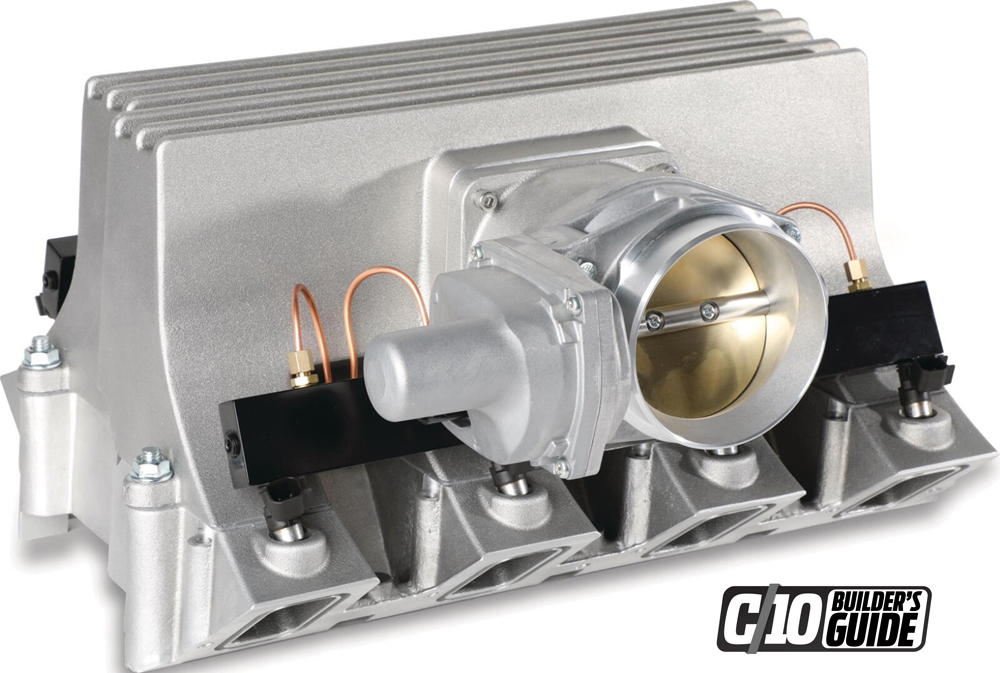
LT5 Serpentine Kit All American Billet Serpentine Kits are a great way to modernize and clean up any engine compartment. What better way to modernize… Continue reading
C10 Builder’s Guide Staff . December 28, 2020

Industry News
The math is simple and terrifying. A Freightliner Cascadia loaded to 80,000 pounds merging onto I-285 at 55 mph carries roughly 3.2 million foot-pounds of… Continue reading
STREET TRUCKS STAFF . June 30, 2026



We use cookies to enhance your browsing experience, serve personalized ads or content, and analyze our traffic. By clicking "Accept All", you consent to our use of cookies. Visit our Cookie Policy for more info.



Share Link