










 STREET TRUCKS STAFF
.
June 10, 2026
.
Industry News
.
STREET TRUCKS STAFF
.
June 10, 2026
.
Industry News
.
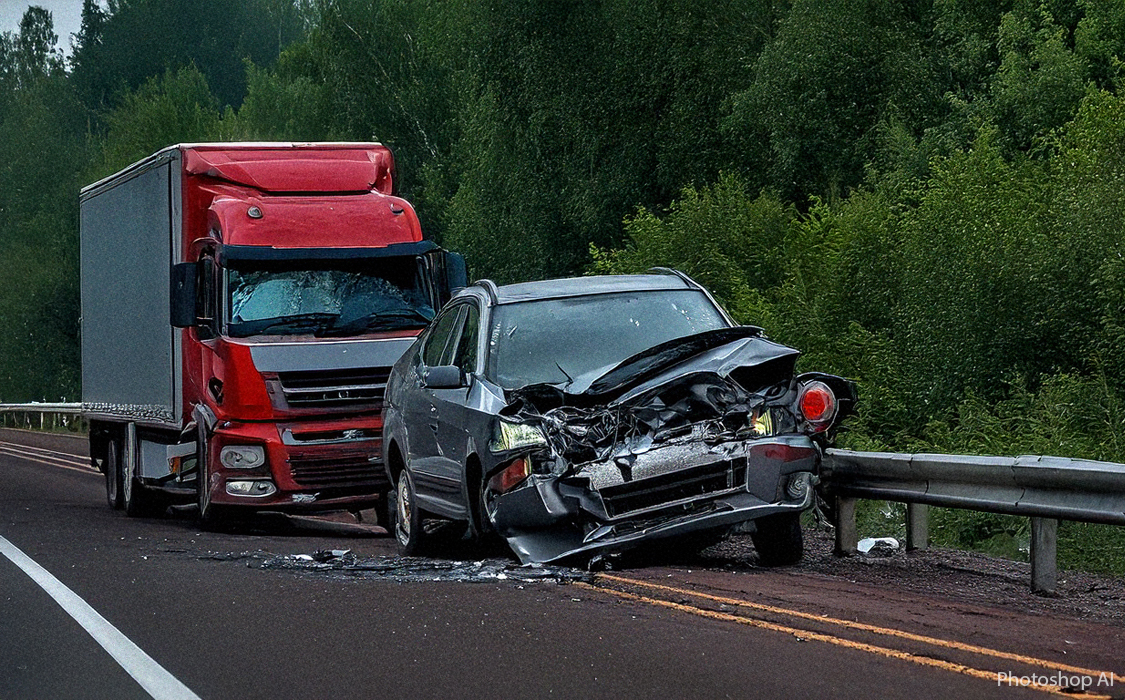
Truck collisions place unusual stress on our bodies, our roads, and the claims process that follows. A passenger vehicle absorbs force very differently than a loaded commercial rig, so injuries can involve brain swelling, spinal trauma, crushed bone, or organ damage. In Las Vegas, freight traffic, tourism, and high-speed corridors raise the risk of severe impact. These cases require early records, careful medical proof, and clear fault analysis.
A loaded tractor-trailer can outweigh a family car by tens of thousands of pounds. That weight produces violent energy transfer, even at moderate speed. Occupants in smaller vehicles may suffer bleeding, nerve injury, pelvic fractures, or chest trauma. After stabilization, a truck accident attorney Las Vegas may examine treatment notes, freight records, driver logs, and road evidence to link physical harm with legal fault.
A car crash often centers on two drivers. A truck case may involve the driver, carrier, broker, repair shop, loading crew, or parts manufacturer. Each party may control different records. One collision might reflect fatigue, poor brake maintenance, and unbalanced cargo. Shared responsibility can increase available recovery, yet it also gives insurers more angles for dispute.
Truck drivers and carriers operate under safety regulations that private motorists do not face. Rules address rest time, inspection duties, cargo limits, licensing, and drug testing. A lane change or speeding ticket may be only one layer. If logs show excess driving hours or skipped inspections, responsibility may reach the company behind the route.
Truck claims depend on records that may not last. Electronic data can show speed, brake use, and service hours before impact. Dash footage, dispatch notes, maintenance files, and cargo paperwork may also help. Some systems overwrite data during normal business use. Early preservation requests protect facts before repairs, software cycles, or routine handling can remove key proof.
Severe truck crashes often require surgery, intensive care, rehabilitation, medication, and follow-up imaging. Some people need help bathing, walking, driving, or returning to work. Future wage loss matters when pain, weakness, or cognitive strain limits employment. These damages need support from physicians, therapists, payroll records, and life-care planning. Insurers usually demand complete medical detail before serious valuation occurs.
Commercial trucks usually carry larger insurance policies than personal vehicles. Greater coverage can help pay for catastrophic losses, but it also brings a stronger defense response. Adjusters may request statements, review social media, or question treatment timing. A claim can become document-heavy within days. Organized records, measured communication, and consistent medical follow-up help reduce avoidable problems.
Nevada follows modified comparative negligence. An injured person can recover damages only if assigned less than fifty-one percent of fault. Any award decreases by that percentage. For example, twenty percent fault reduces compensation by the same share. In truck cases, defense teams may argue that speed, lane position, or delayed reaction shifted blame away from their insured.
Truck crash scenes often spread across several lanes. Skid marks, spilled freight, damaged barriers, fluid trails, and debris fields can extend far from impact. Road grade, blind spots, lane width, and traffic flow may affect reconstruction. Photos, witness contacts, police diagrams, and final vehicle positions help explain the sequence. Scene detail can strengthen medical and liability arguments later.
Many truck crashes begin with preventable risk. Fatigue, speeding, distraction, worn tires, weak brakes, and overloaded trailers all reduce safety margins. Car drivers can protect themselves by leaving more space near large rigs. Long stopping distances and wide turns deserve attention. Better habits on Interstate 15, United States Route 95, and local freight routes can reduce severe injuries.
Truck accidents differ from car crashes because harm, proof, and responsibility grow more complicated quickly. Larger vehicles create deeper physical injury, commercial rules shape fault, and several businesses may share blame. Evidence may also vanish unless protected early. For injured people and families, strong claims depend on medical documentation, crash data, witness accounts, and careful liability review. Timely action can turn confusion into an organized recovery path.


Department
It’s Not Always Rainbows and Butterflies Not every build is a walk in the park. Some build stories have many different components and certain trials… Continue reading
Phil Gordon . April 11, 2023
c10
America’s favorite car and truck show came to Fort Worth, Texas for the 28th annual Good Guys Summit Racing Lone Star Nationals at Texas Motor… Continue reading
JOSEPH DOWLING . September 27, 2021
Industry News
2022 Toyota Tacoma TRD Pro, Trail Edition get more off-road goodness Standing taller There’s no shortage of off-road focused Toyota Tacoma trims, and two of them are… Continue reading
Logan Wade . June 07, 2021
Department
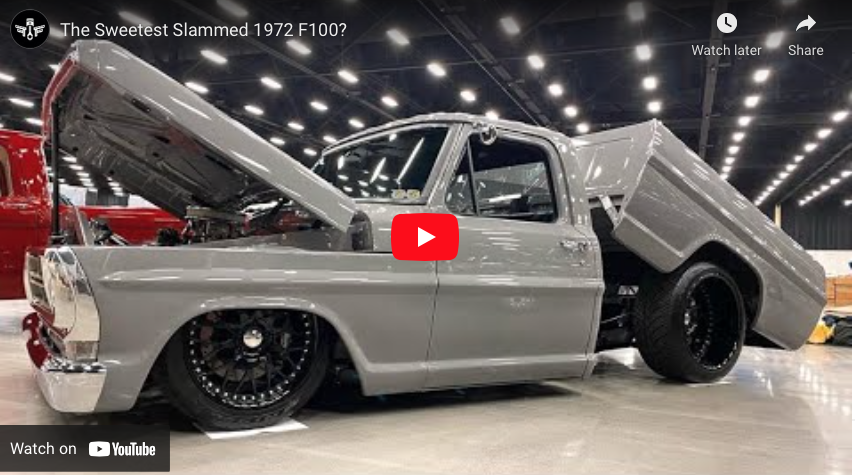
While in Tennessee at the Grand National F100 Reunion last month, we found this beautiful 1972 Ford F100, and it’s owner, Jerry Wood (Instagram: @jawz72)… Continue reading
Adam Johnson . July 01, 2022
Industry News
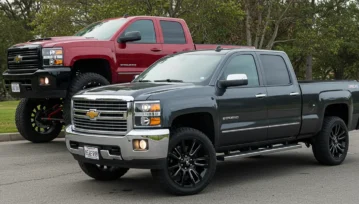
It’s a debate that never seems to die down, should car owners pour their money into making their ride faster, or just make it look… Continue reading
ST-STAFF . September 22, 2025

How to
DIY PAINT MAGIC FROM AUTOMOTIVE TOUCHUP LET’S BE HONEST. I wasn’t expecting much. Before you get it twisted, though, I want to be clear: I… Continue reading
Mike Self . August 02, 2019

We use cookies to enhance your browsing experience, serve personalized ads or content, and analyze our traffic. By clicking "Accept All", you consent to our use of cookies. Visit our Cookie Policy for more info.


Share Link