








 STREET TRUCKS STAFF
.
January 30, 2026
.
Industry News
.
STREET TRUCKS STAFF
.
January 30, 2026
.
Industry News
.
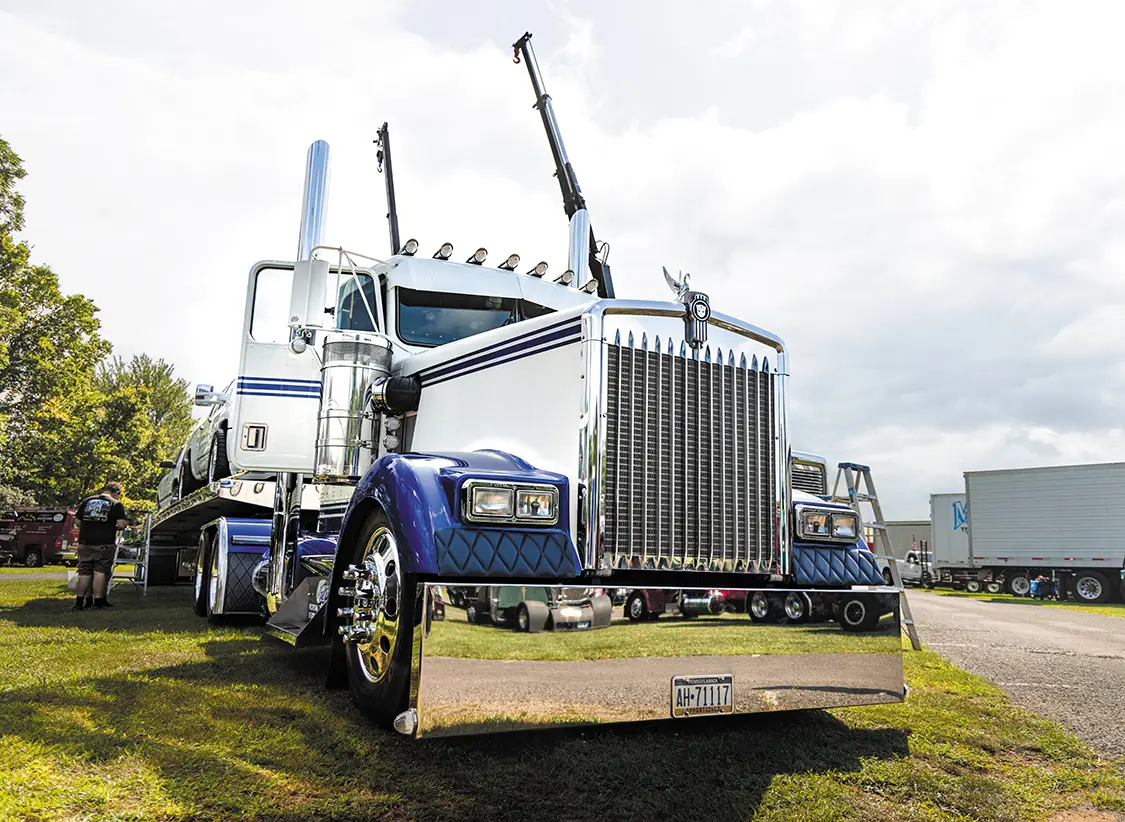
Highway driving often settles into a rhythm. Traffic flows, speeds stabilize, and lane changes become almost automatic. For truck drivers and truck owners, this familiarity can create a false sense of control. A lane change feels like a small adjustment, a routine move made dozens of times on a single drive. Yet this brief moment is one of the most common starting points for serious truck crashes.
Unlike steady cruising or gradual braking, a lane change demands multiple judgments at once. Speed must be assessed accurately. Space has to be calculated on both sides of the vehicle. Mirrors and sightlines must be trusted under pressure. For trucks, these decisions carry greater consequences because of size, blind spots, and slower response times, leaving little margin for error. A misread gap or delayed reaction can turn an ordinary maneuver into a severe collision within seconds.

Many serious truck crashes do not occur during extreme weather or aggressive driving. They happen during routine lane changes on familiar roads. These incidents often surprise everyone involved. Drivers believe they acted carefully, while others perceive the movement as sudden or unsafe. The impact itself is only the beginning of what follows.
Understanding why this single maneuver leads to so many truck crashes begins with recognizing how quickly small miscalculations can stack up on a highway. Lane changes require precision, patience, and awareness that go beyond basic driving habits, particularly when large vehicles are involved.
Lane changes affect every vehicle, but trucks face challenges that smaller cars do not. Size is the most visible factor. A truck occupies more space and takes longer to move laterally from one lane to another. While a passenger vehicle can adjust quickly, a truck requires sustained clearance throughout the maneuver, increasing exposure to surrounding traffic.
Weight further complicates control. Trucks respond more slowly to steering input, especially at highway speeds. Even minor adjustments take longer to register, and correcting mid-maneuver is difficult. When traffic speed changes unexpectedly, recovery options are limited.
Blind spots add another layer of risk. Side mirrors improve visibility but cannot eliminate areas where vehicles disappear from view. Drivers in adjacent lanes often underestimate how long they remain unseen, particularly near a truck’s rear corners. When a lane change begins with incomplete visual information, the risk of sideswipe or side-impact collisions rises sharply.
Road conditions amplify these issues. Lane changes near on-ramps, exits, or construction zones demand quicker decisions while spacing and visibility fluctuate. In these environments, a truck’s physical limitations turn routine actions into high-risk calculations.
When something goes wrong, the outcome is often more severe. The combination of mass, momentum, and reduced maneuverability means even low-angle impacts can result in loss of control or involve multiple vehicles. This is why lane changes consistently appear among the leading contributors to serious truck crashes under normal driving conditions.
Most lane-change truck crashes do not begin with reckless behavior. They start with assumptions that seem reasonable at the moment. A vehicle appears far enough back. A mirror glance suggests the lane is clear. Traffic speed feels predictable. When trucks are involved, these assumptions carry greater risk because visibility and timing are harder to judge accurately.
Blind spots are one of the most common sources of error. Vehicles traveling alongside a truck can remain hidden longer than expected, especially when traffic flow is uneven. A car that briefly disappears from view may still be close enough to create conflict once the truck begins moving laterally. At highway speeds, even a short delay in detection can render the option to abort the maneuver safely unavailable.
Speed differences between lanes add further complexity. Faster-moving traffic approaching from behind can quickly close gaps. A lane that appears open can fill up within seconds. When a truck commits to a lane change under these conditions, surrounding drivers may have little time to react.
After a collision, these moments are examined closely. Mirror use, signaling, speed, and lane position all come under scrutiny. Details that felt minor during the drive often become central to determining responsibility. Understanding how fault is evaluated in these situations, including insights from a lane-change truck accident lawyer, helps explain why these crashes are rarely considered straightforward.
What makes these incidents difficult to resolve is the overlap of factors. Blind spots, speed judgment, and traffic behavior interact in ways that are challenging to reconstruct, which is why lane-change truck crashes seldom hinge on a single mistake.
Lane-change truck crashes often lead to disagreement almost immediately. At the scene, drivers may have very different interpretations of what occurred. One believes there was adequate space, while another views the movement as sudden. With trucks, these disputes tend to intensify because the maneuver itself relies on judgment calls that are difficult to measure in real time.
Responsibility is rarely based on one detail alone. Signaling, lane position, speed, and surrounding traffic all play a role. A truck may have signaled but moved too early. Another vehicle may have been speeding yet remained entitled to its lane. These overlapping details create gray areas that turn a routine collision into a contested event.
Physical evidence becomes critical. Skid marks, damage patterns, and final vehicle positions influence how the lane change is interpreted. Even the angle of impact can suggest whether the truck had fully established itself in the lane or was still transitioning. These details often carry more weight than initial impressions.
Disputes escalate because the consequences are significant. Truck crashes frequently involve serious injuries and substantial property damage. As the stakes increase, scrutiny intensifies. Statements made early, assumptions about fault, and incomplete records can complicate outcomes long after the scene is cleared.
Lane-change truck crashes rarely stop at the first impact. The initial contact often triggers a sequence of events that makes the situation far more dangerous than a typical two-vehicle collision. Trucks carry momentum that is difficult to manage once stability is disrupted.
A sideswipe or partial impact can push a truck off its intended path. Even a slight deviation may prompt overcorrection, especially when traffic surrounds the vehicle. At highway speeds, this loss of balance can lead to jackknifing, blocked lanes, or secondary impacts with uninvolved vehicles.
Other drivers face immediate danger when a truck reacts suddenly. Vehicles traveling nearby may have little time to brake or change direction. This is how a single lane-change error can result in multi-vehicle collisions, rollovers, or impacts with barriers and medians. The size of the truck amplifies the force involved, increasing the likelihood of serious injury.
These chain reactions also complicate post-crash analysis. Investigators must determine where the lane change began and how it influenced subsequent impacts. Responsibility may extend beyond the first collision depending on how events unfold.
Evaluating responsibility after a lane-change truck crash centers on driver behavior rather than the outcome. The focus is on whether the maneuver was executed safely under the conditions at the time.
Signal use is one of the first elements reviewed. Investigators look at whether a signal was activated early enough and remained on throughout the maneuver. Lane position is also critical. A truck fully established in a lane is assessed differently from one still crossing lane lines at the moment of impact.
Speed and traffic flow play major roles. Changing lanes into faster-moving traffic can shift responsibility if the gap closes more quickly than a reasonable driver could anticipate. Conversely, an approaching vehicle traveling at excessive speed may share responsibility. These determinations rely heavily on physical evidence, vehicle data, and roadway context.
To understand how these collisions unfold, investigators often rely on established crash reconstruction methods and long-term roadway safety research. Independent transportation studies and collision analysis frameworks, including those outlined in highway safety research on crash patterns, are frequently used to explain how lane positioning, timing, and vehicle movement influence both impact severity and responsibility.
The period immediately after a lane-change truck crash is often chaotic. Decisions made during this time can influence how the incident is interpreted later. One common mistake is speaking too freely before the facts are clear. Casual remarks or speculation can be recorded and later treated as admissions.
Incomplete documentation is another issue. Drivers may focus on visible damage while overlooking roadway markings, vehicle positions, or traffic conditions that explain how the lane change occurred. These missing details matter when timing and lane position are central to the evaluation.
Delaying medical attention can also complicate matters. Some injuries appear hours or days later. Waiting too long to seek care can raise questions about the severity or cause of injuries, even when they are crash-related.
Early narratives form quickly through reports and diagrams. Correcting inaccuracies becomes more difficult once they are documented. In lane-change crashes, where interpretation is already complex, early missteps can have lasting effects.
Lane-change truck crashes receive closer examination than many other highway incidents because the maneuver introduces uncertainty. Unlike rear-end collisions, lane changes involve shared space and overlapping movement between vehicles.
Investigators place heavy emphasis on timing and positioning. Seconds matter. Whether a truck had fully entered a lane, whether another driver had time to respond, and whether traffic conditions supported the maneuver all affect how the crash is categorized.
Truck-specific characteristics further increase scrutiny. Larger blind spots, longer stopping distances, and reduced agility narrow the margin for safe execution. When these limitations combine with dense traffic, lane changes demand heightened awareness.
Education focused on highway awareness and defensive driving plays an important role in reducing these risks. Resources that emphasize lane positioning, mirror use, and traffic anticipation, including practical guidance often shared in truck-focused safety content like driving and handling features, help drivers understand how quickly conditions can shift during a lane change.
Lane changes are often treated as background actions in highway driving, yet for trucks, they are among the most demanding maneuvers on the road. Size, limited visibility, and slower response times mean small misjudgments can lead to serious consequences.
The frequency and severity of truck crashes tied to lane changes highlight how much precision these moments require. Decisions involving speed, spacing, and timing influence both crash prevention and how events are later evaluated.
Approaching lane changes with greater caution encourages safer driving habits. Allowing more space, waiting for clearer gaps, and anticipating how traffic may shift can reduce risk. On highways where conditions change quickly, treating this single maneuver with the respect it deserves can make a meaningful difference.


Department
“The great John O’Neill came through with another amazing cover shot. This time it’s a C-10 with a story you have to read!” FEATURESGone Green –… Continue reading
Chris Hamilton . September 21, 2020

Events
It’s certainly not every day that you get invited to take part in a custom automotive event slated to break some hefty world records. It’s… Continue reading
Mike Alexander . April 15, 2020
Department
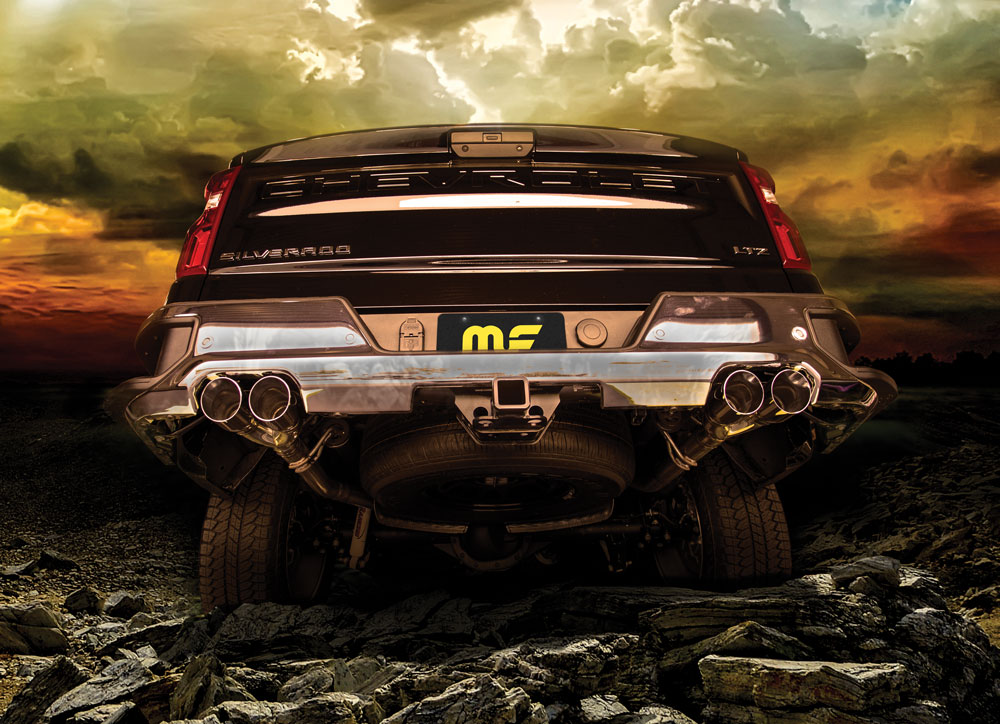
The Right Hardware for Your Hauler Flow into 2019 MagnaFlow has announced its all new Street Series cat-back exhaust for the 2019 Chevrolet Silverado and… Continue reading
Chris Hamilton . September 02, 2019

C10 Builders Guide
Laid Out, but Always Ready to Roll You might be thinking to yourself, “That’s one of the most amazing C50s I’ve ever seen!” But you’d… Continue reading
streettrucks . September 22, 2020
C10 Builders Guide
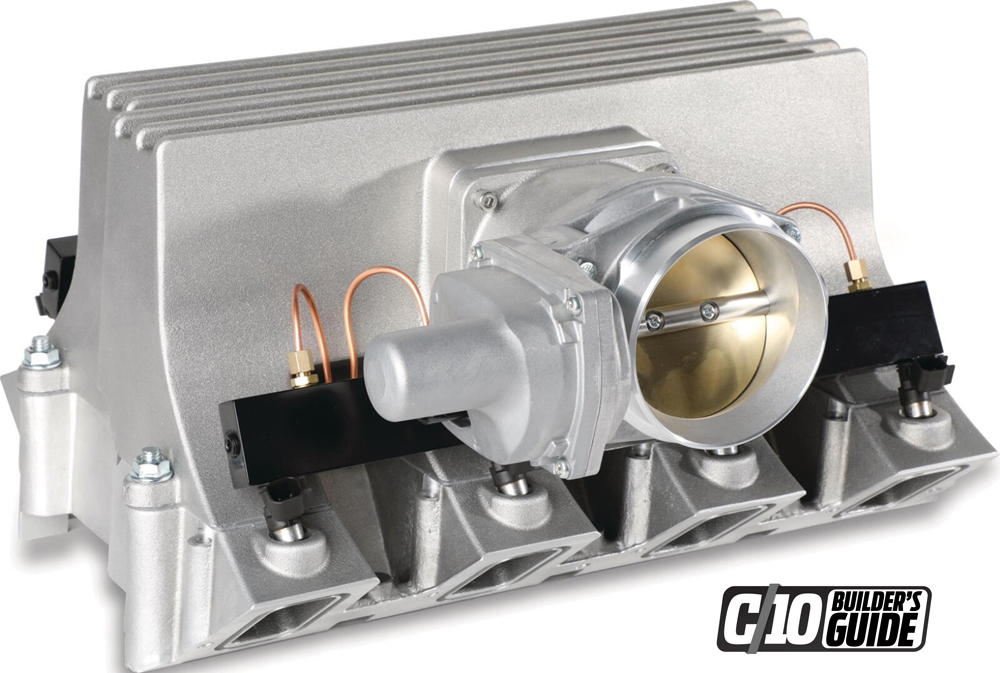
LT5 Serpentine Kit All American Billet Serpentine Kits are a great way to modernize and clean up any engine compartment. What better way to modernize… Continue reading
C10 Builder’s Guide Staff . December 28, 2020
C10 Builders Guide
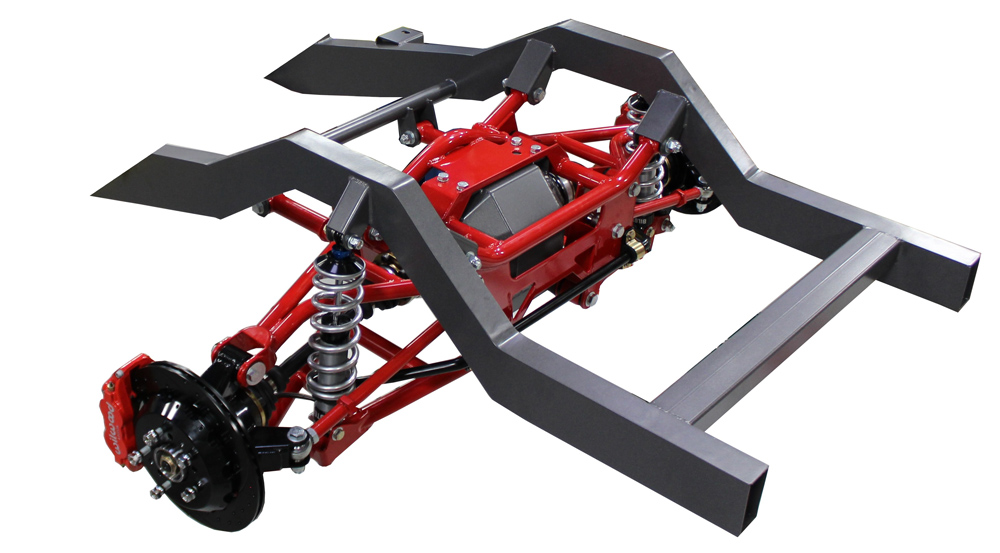
Independent Rear Suspension IF YOU’RE LOOKING FOR THE ULTIMATE IN versatility in a suspension system for your Chevrolet C10 pickup, look no further than all-new… Continue reading
C10 Builder’s Guide Staff . April 02, 2020








Share Link