









 STREET TRUCKS STAFF
.
June 30, 2026
.
Industry News
.
STREET TRUCKS STAFF
.
June 30, 2026
.
Industry News
.
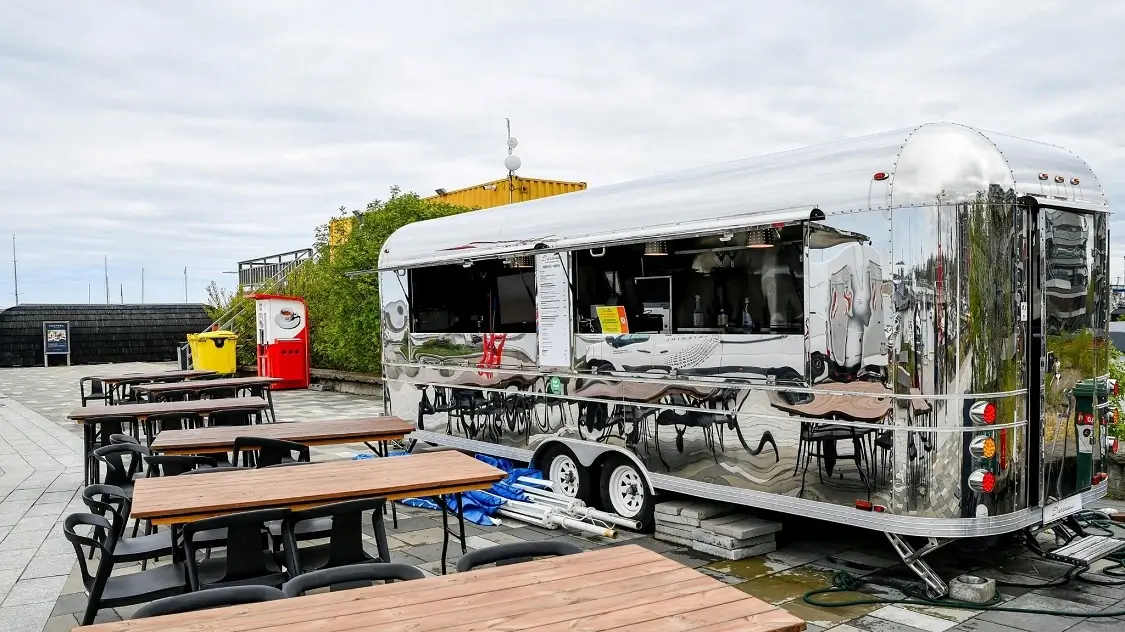
A guy I know once researched a used sports car for six straight weeks, weighing service histories and resale curves like a man defusing a bomb, then turned around and signed a ten-year restaurant lease over one lunch on a handshake and a good feeling. That same careful, skeptical man threw his caution out the window the instant a dining room entered the picture. The pattern is almost funny, right up until you watch what it costs him.
Here is what nobody slows down to say out loud. The choice between a restaurant and a food trailer is barely about food at all. It is an investment decision wearing an apron, and it answers to the same cold questions any investment does: what you sink in, what it bleeds to stay alive, how quickly it hands the money back, and how badly it traps you when the wind changes. Hold a trailer and a brick-and-mortar restaurant up against those questions side by side, and the scrappy little trailer holds together in ways its looks never bother to promise.

Money is where the two part company, and the gulf is far wider than the brochures admit. A used food trailer for sale tends to settle between fifteen and fifty thousand dollars, and even a lovingly built custom rig rarely claws its way into six figures. A modest sit-down restaurant, by contrast, can swallow the better part of two hundred thousand before a single fork touches a table, and a full buildout sails clean past that once a long lease and a remodeled dining room hit the invoice. One restaurant’s opening budget could roll three or four trailers onto the street. Wagering your own savings rather than someone else’s, that ratio is most of the argument: a smaller bet bruises you on a bad day instead of breaking you. And plenty of these bets do go bad. Most new food ventures stumble inside the first year or two, and the trailer simply has less distance to fall.
Speed turns out to matter every bit as much as size. A trailer that catches on can return its owner’s money inside a year or two, while a restaurant often burns two or three years just digging back out of the crater it opened in, dragging rent and payroll behind it the whole climb. The monthly arithmetic only widens the canyon. A trailer answers to commissary rent, fuel, propane, and insurance, a tab that usually lands in the low thousands, where a restaurant wakes each morning already owing rent on an entire room, the power to keep it glowing, and a payroll several times heavier, all due long before the first guest pulls out a chair.
The honest verdict comes down to who is holding the wallet. For most people stepping into food with modest savings and a healthy terror of losing them, the trailer quietly, almost sheepishly, wins: cheaper to open, quicker to pay you back, and free to roll away the moment the ground shifts under it.


Department
Awarded annually to honor the memory of the late founder of Federated Auto Parts, the Art Fisher Memorial Scholarships have been presented to 13 exceptional… Continue reading
Chris Hamilton . August 30, 2021

c10
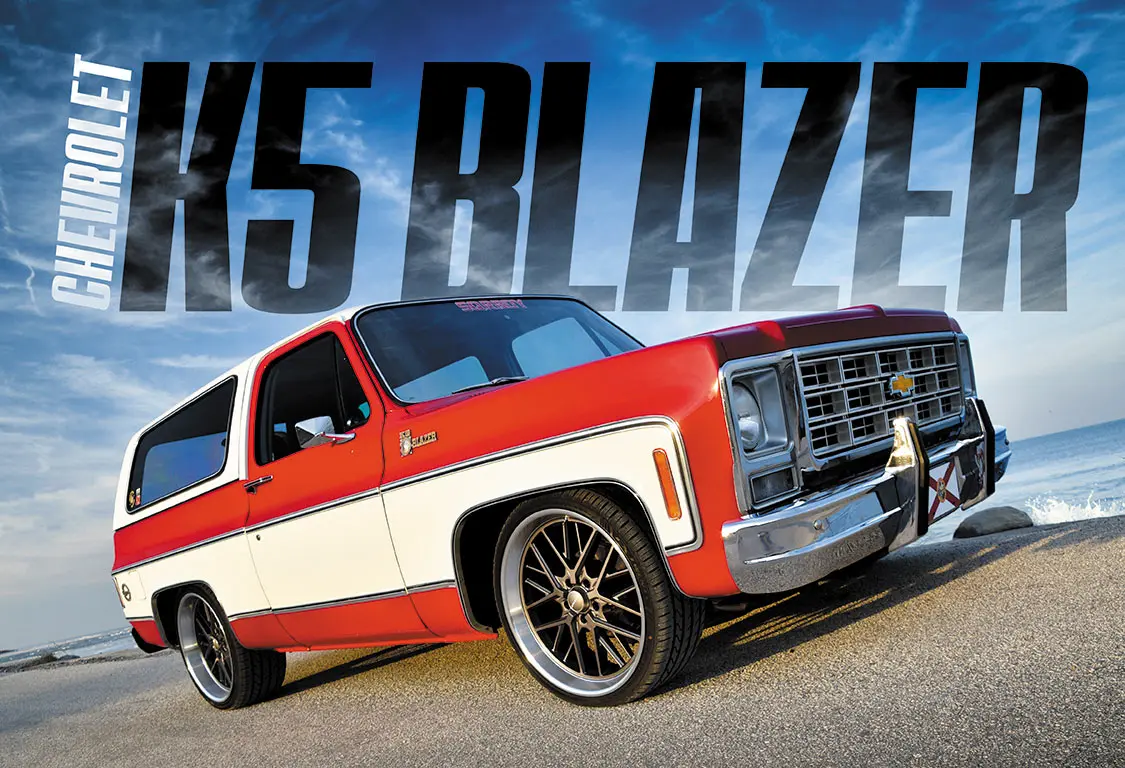
A Drop Top of the Highest Order Squarebody K5 Blazers, to many, are the quintessential truck/SUV, and for good reason. Style for miles, a removable… Continue reading
streettrucks . May 04, 2023
Department
Living the Life and Printing the Passion CAN YOU BELIEVE IT’S ALREADY THE MIDDLE OF AUGUST? If you’re a SEMA truck builder or owner, this… Continue reading
Chris Hamilton . October 14, 2019
Department
The Hoonigan name should be familiar to any gearhead who surfs the web. The logo is blatantly splashed through the wild gymkhana videos that showcase… Continue reading
STREET TRUCKS STAFF . April 15, 2021
C10 Builders Guide
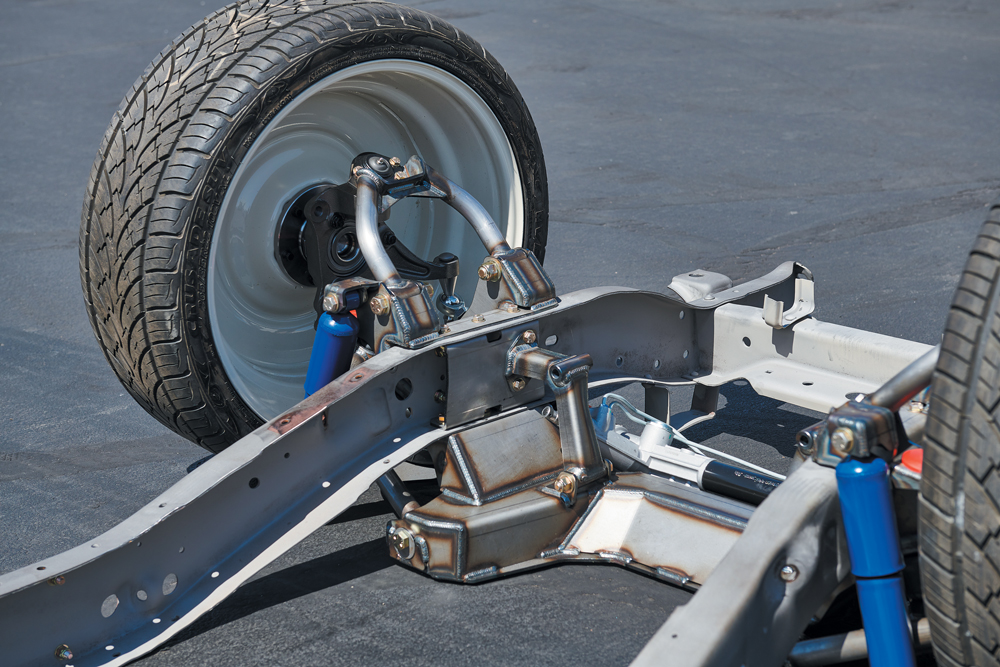
So, you bought an old C10 and you just don’t love the stance? Let me guess—you want it “hammered on the ground, but still enjoyable… Continue reading
streettrucks . November 11, 2020
Features
Kid Friendly Transportation and So Much More When it’s time for the next project vehicle, most folks have to decide whether to buy or build.… Continue reading
Joe Greeves . September 26, 2023



We use cookies to enhance your browsing experience, serve personalized ads or content, and analyze our traffic. By clicking "Accept All", you consent to our use of cookies. Visit our Cookie Policy for more info.




Share Link