










 STREET TRUCKS STAFF
.
June 30, 2026
.
Industry News
.
STREET TRUCKS STAFF
.
June 30, 2026
.
Industry News
.
Fleet maintenance may look smooth and structured on the surface, but behind the scenes, a small misstep can quickly drain operational budgets, delay delivery schedules, and affect vehicle performance and lifespans. Most business owners often overlook avoidable maintenance errors, which compound over time and turn minor oversights into major operational setbacks.
Maintenance errors don’t appear overnight. They build slowly from unorganized spreadsheets, inaccurate manual logs, inconsistent processes, and outdated systems. This is where fleet maintenance software becomes necessary.
Fleet maintenance software is a cloud-based platform that centralizes the process of monitoring, coordinating, and optimizing commercial vehicle fleets. It uses GPS, telematics, and in-vehicle devices to generate real-time data about a vehicle’s location, fuel consumption, driver behavior, and maintenance needs. The tool is no longer a luxury but a practical option for improving operational efficiency, reducing costs, and streamlining maintenance workflows while ensuring regulatory compliance.
As fleets grow, schedules tighten. Using outdated systems like manual paper logs can create data gaps, which can lead to:
Modern fleet maintenance technologies for heavy-duty truck models use innovative solutions to solve these problems, simplify daily operations, and enhance fleet efficiency. However, operations can come to a standstill at any moment. The following paragraphs list some of the common mistakes companies make with maintenance and ways to avoid them.
Reactive maintenance is one of the most expensive mistakes in fleet maintenance and can leave you with costly repairs, unexpected downtime, and disrupted schedules that affect the entire chain of operations, from internal teams to consumers. Over time, this approach will affect asset lifespan and increase safety risks.
Switch to the scheduled maintenance model to reduce surprise breakdowns. Establish service intervals based on vehicle type, mileage, and usage so you can predict failures and plan the maintenance budget accordingly.
Skipping regular preventive maintenance increases the likelihood of unplanned downtime and results in emergency repairs, affecting productivity. Neglecting timely maintenance also increases the risk of safety failures. Missed or delayed maintenance and servicing lead to compliance violations, hefty fines, and reputational damage. Regular fleet maintenance can reduce the chances of these issues escalating into bigger problems.
Routine inspections should be incorporated into maintenance schedules to reduce safety threats and keep the company safe from serious violations and costly penalties. By being prepared, companies can keep vehicles in good working order and stay compliant with regulatory standards.
Many companies still rely on outdated tracking systems like spreadsheets, paper logs, or general tools to keep track of their maintenance activities. While these methods may work for a small fleet, they can quickly affect the productivity of businesses of a larger size. Without centralized records, managers and teams don’t have access to vehicle histories. Manual tracking increases errors and the risk of missed service schedules. For instance, it’s easy to overlook service intervals, part replacements, oil changes, or inspections.
Automate service reminders and logs, and centralize maintenance history. Digital reminders help teams to stay on track with servicing schedules. Timely maintenance reduces wear and tear and prevents avoidable mechanical problems. The team should store all maintenance records in one system for better tracking and visibility. A centralized storage system gives technicians and managers faster access to vehicle histories for faster problem diagnosis.
Scattered data challenges fleet managers, preventing them from analyzing maintenance trends and identifying opportunities to improve performance and reduce costs. They cannot track vehicles that cost the most to maintain and decide whether to repair, replace, or sell those vehicles. Overlooking data and performance insights also affects long-term planning. Without data, managers cannot make data-driven decisions supporting smarter budgeting.
Tracking repair frequency and costs can help in identifying vehicles that don’t perform well. With clear data and insights, managers can make data-driven strategies, allocate budgets more effectively, and make more informed and effective decisions about repairs and replacements, thus improving asset lifecycle management and reducing downtime.
Fleet maintenance software focuses not only on servicing vehicles but also on managing parts and vendors efficiently. Untracked vendor performance and poor inventory management often result in higher costs and inconsistent repairs. Without clear visibility into inventory levels, it also increases the risk of overstocking or understocking.
Tracking inventory levels helps prevent overstocking and storage inefficiencies. With the software, teams can assess vendors based on turnaround time and reliability to maintain quality and consistency and build strong vendor relationships for profitable outcomes.
Fleet maintenance mistakes result from a lack of care and outdated practices. Businesses need to address reactive habits and replace manual tracking with automated practices for timely updates, budget predictability, and consistent performance across diverse fleet sizes and industries.

c10
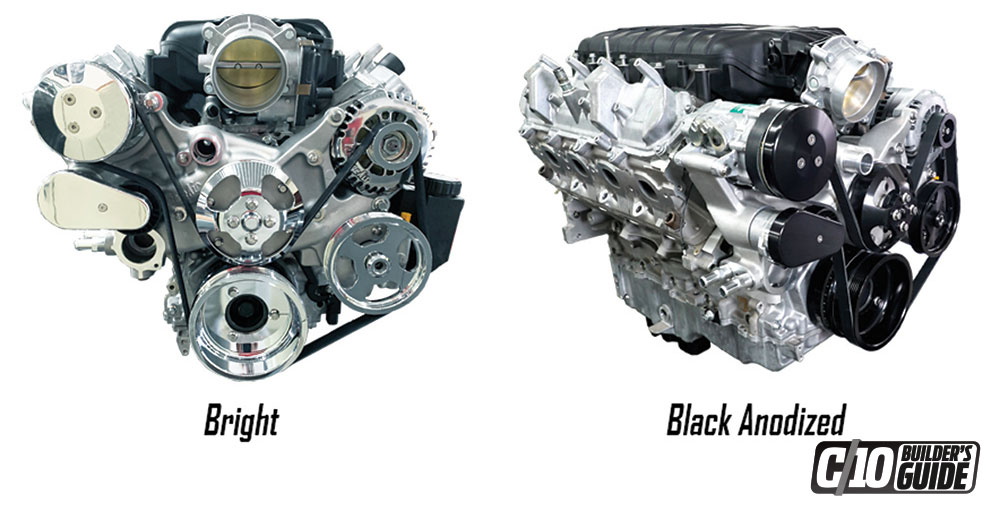
’63-’72 C10 Rear Coilover Conversion Performance Online’s ’63-’72 Chevy C10 truck rear coilover conversion kit uses Aldan American Phantom Series coilovers, single adjustable coilovers that… Continue reading
C10 Builder’s Guide Staff . February 28, 2022
Industry News
Where Every Build Begins Every great truck starts with a builder who knows the room they work in. The garage sets the pace. The light… Continue reading
ST-STAFF . October 20, 2025

Blood Sweat and Gears
The Ford Bronco Is Packed With Clever Features To Dominate Off Road Ford Bronco Road Driving Review – https://youtu.be/tTfhU2g_FmE Subscribe to Engineering Explained for more… Continue reading
Adam Johnson . October 22, 2021

How to
Ford Ranger Raptor could soon be hopping dunes alongside F-150 in America It will receive a twin-turbocharged, 325-horsepower V6 engine Ford chose not to sell the Ranger… Continue reading
Logan Wade . July 10, 2020

America
Producing Home-Grown Truck Covers for More Than 25 Years THE ANNUAL SEMA SHOW IN LAS VEGAS BRINGS MANUFACTURERS AND INDUSTRY INSIDERS TOGETHER TO MEET AND… Continue reading
Chris Hamilton . January 15, 2024
C10 Builders Guide
THE CREW HELPS WITH SQUAREBODY SYNDICATE’S LATEST C-10 The concept of the One ‘N’ Done events is fairly simple: put together a team of amazing… Continue reading
streettrucks . August 18, 2020


We use cookies to enhance your browsing experience, serve personalized ads or content, and analyze our traffic. By clicking "Accept All", you consent to our use of cookies. Visit our Cookie Policy for more info.




Share Link