








 STREET TRUCKS STAFF
.
March 27, 2026
.
Industry News
.
STREET TRUCKS STAFF
.
March 27, 2026
.
Industry News
.
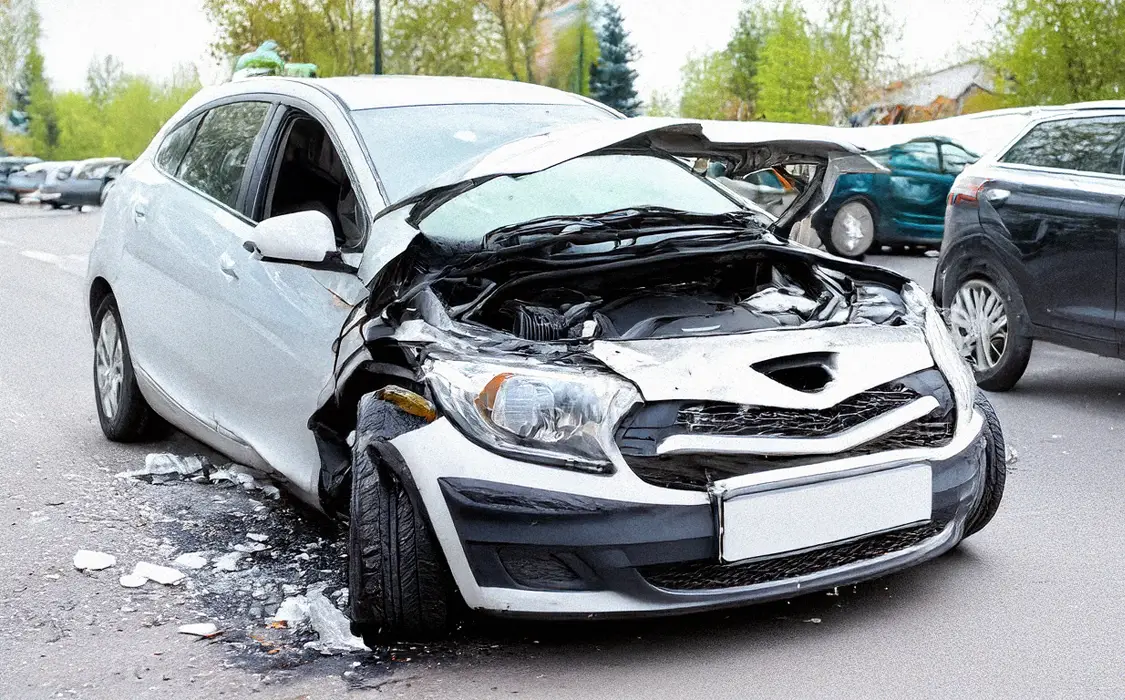
Across Florida, millions of residents and visitors travel daily through busy highways, coastal roads, and urban intersections that connect major cities and tourist destinations. With so many vehicles sharing the road, accidents unfortunately occur with regularity, and some of the most troubling cases involve drivers who leave the scene instead of stopping to help. Hit-and-run crashes can leave injured individuals facing medical expenses, property damage, and uncertainty about how the responsible driver will be identified. For victims, the aftermath often raises difficult questions about accountability and the steps required to pursue a legal claim.
Investigating these incidents typically involves a careful review of evidence, witness accounts, and other sources to determine who was responsible for the collision. During this process, guidance from a Blakeley Law Firm car accident lawyer in Fourt Laurendale can help injured individuals better understand how hit-and-run accidents are investigated in injury cases and what legal options may be available.

In the wake of a hit-and-run, first responders rush to secure the scene and treat the injured. This first step secures the safety of all those involved and protects key evidence. During this time, responders will look for vehicle pieces, tire marks, and possibly belongings left behind. All of the evidence gathered soon can later back an injury case. This is also when claimants can schedule initial consultations with personal injury lawyers.
Once the site is secured, investigators search for any witnesses. Most of the time, bystanders will give the details about the vehicle involved, the direction it went, or a partial license plate number. These statements help to create a timeline of the event and can point investigators to a suspect. These consistent accounts bolster the overall case and provide valuable leads.
In many cases, surveillance cameras are located in the vicinity of the accident scene. Detectives look for traffic cameras, businesses, and residences with surveillance systems that may have captured the incident. Footage may disclose the vehicle’s make, model, and color, and show the point of impact. This visual evidence can be critical in confirming stories and identifying suspects.
Physical evidence, such as paint chips, broken glass, or lightbulb fragments, is collected by investigators. The vehicles can then be examined in a lab to identify the type of vehicle involved. Paint samples or parts that can be matched up to a certain manufacturer may be used to track the suspect’s automobile. Witnesses and video footage often yield physical evidence that strengthens the case.
Local auto repair shops and scrapyards are key sources of information after a hit-and-run. Those businesses are often contacted by investigators who ask them to report vehicles with recent damage that matches descriptions from the scene. Some people try to fix their cars without insurance claims and hope they will not be caught. These businesses will report any incidents, which will directly lead to identifying the driver responsible.
Authorities can analyze traffic trends and automobile registration records to identify potential suspects. They can compare witness accounts and physical evidence with vehicles that passed through the area during the time in question. This process reduces the number of unrelated vehicles and zeros in efforts on likely vehicles. Automation has improved the accuracy and speed of these searches.
As soon as a possible suspect is singled out, investigators begin interrogations—hoping for admissions or even an outright confession. They check the suspect’s alibi, inspect their car for damage, and cross-reference it with evidence from the crime scene. In both criminal and injury cases, admissions or inconsistencies in statements can become critical evidence.
Hit-and-run injury cases can be difficult to resolve, and this is where insurance investigators come into play. The review police reports, medical records, and any evidence collected during the investigation. Insurance agents also work with police to identify the responsible driver or negotiate care for the victim with their insurance company. It ensures that the victims are adequately supported whilst claims are processed efficiently.
Every stage of a hit-and-run investigation demands a delicate touch. Every piece of evidence and every testimony helps investigators closer to the truth. With the hard work of law enforcement, insurance representatives, and community members, victims are now better able to obtain accountability for their injuries.
Department
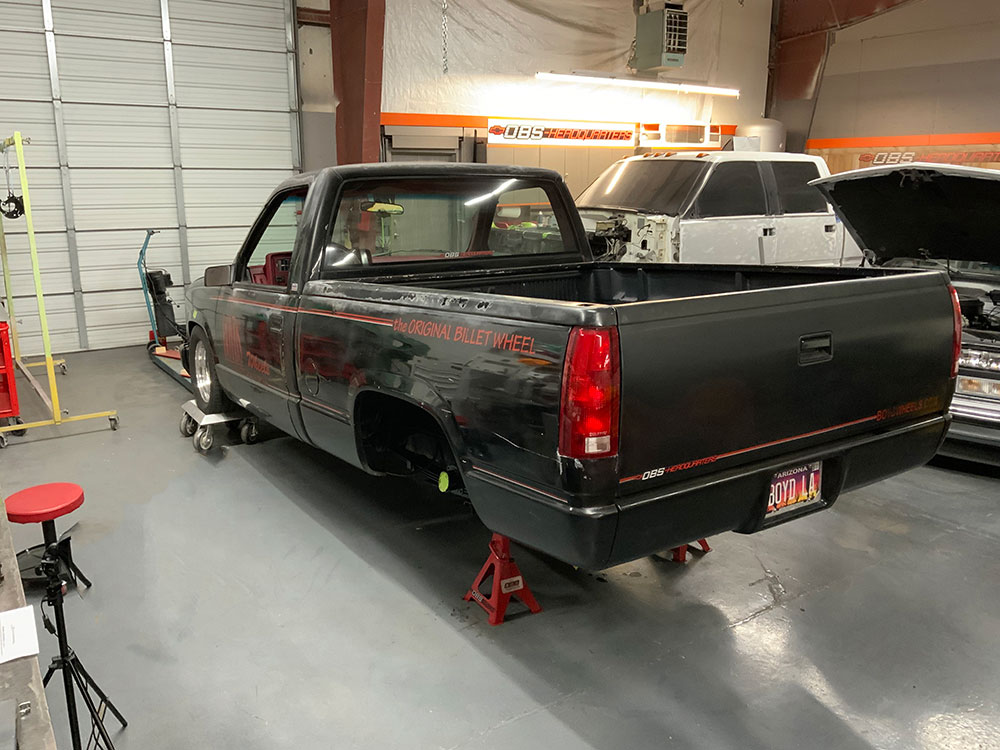
Keep Your 15-inch Billet Wheels and Upgrade Those Brakes Are you old school? Do you want to keep your OG billet 15-inch sport-style truck wheels?… Continue reading
OBS HEADQUARTERS . October 14, 2022
Department
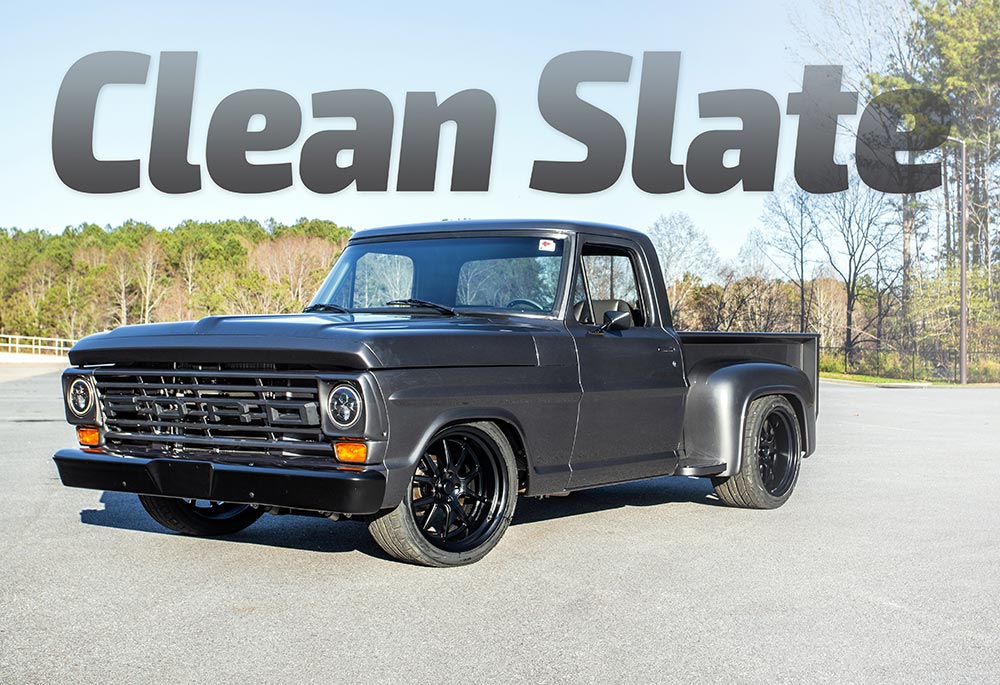
A Ford Truck Enthusiast’s Latest F-100 Creation Words by John Mata Jr. Photos by Solomon Lunger Truck owners and builders who find themselves being brand-loyal… Continue reading
John Mata Jr. . February 15, 2023
Department
Work continues on Project Burnadebt, the ’59 Chevy Apache we’re building for Eddy Cebreco. We are back at Auto Metal Direct along with Jubee Mays… Continue reading
Jason Chandler . August 12, 2022
Department
Street Trucks Magazine shows you how simple it is to update the look of your 89-98 Chevy C/K Truck with the help of Classic Industries… Continue reading
Chris Hamilton . August 11, 2022
Department
Words and Photos: Damien Davis Your friendly neighborhood Street Trucks crew spent the weekend at Southern Tradition Car show in Canton Georgia. Starting out the… Continue reading
Adam Johnson . July 12, 2022

Department
But with All the Subtle Touches Robert and Joanna Mayes are the owners of this beautiful 1956 F-100. Robert is a successful businessman with several… Continue reading
Adam Johnson . January 05, 2022





Share Link