








 MARCEL VENABLE
.
November 07, 2025
.
How to
.
JASON MULLIGAN
MARCEL VENABLE
.
November 07, 2025
.
How to
.
JASON MULLIGAN
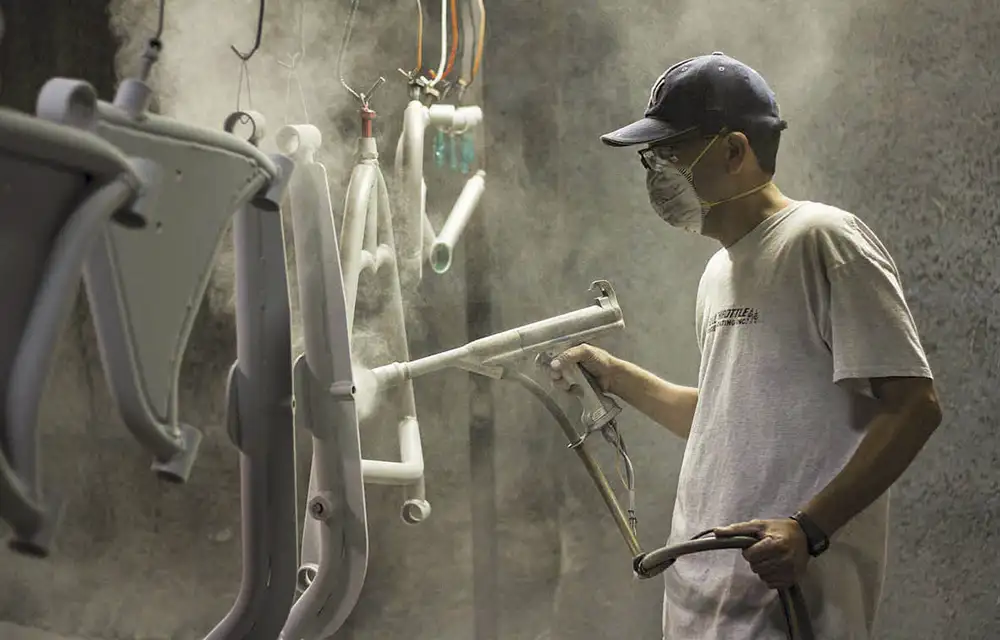
There seems to be a mystery or some kind of secret behind the magical substance known as powder coating. Professionals use the term “dry paint system” rather than the popular powder coat because it isn’t as explanatory as most people think. Applying powder to a surface is an art form just like working with liquid paint takes skill and artistry.
There are pros and cons to using powder coat on a project. For example, powder coating is virtually impossible to match or blend if a repair is required. This is why powder coating is generally reserved for chassis or under-car parts. Recently though, some restoration facilities have been powder coating sheet metal as a rust preventive before body filler and primer are applied because it can be sanded and painted easily.
It used to be that color selection was extremely limited since powder coat was initially an industrial concept. Most of the available options were black, wrinkle or black. However, technology has come a long way since the early days. The demand for more colors drove the industry to push for new offerings. Today, if you can see it, it’s probably on a color chart of available powders, including many matte and candy options.
A major plus in favor of using powder coating is strength and durability. There are a few key factors to these benefits over wet paint, and while most think it has to do with the item receiving an electric charge, or the fact that it has to be baked onto the surface to cure, is only half of the truth. Just as it is with every other form of refinishing it’s all about the prep. And because powder needs to cure at temperatures that may reach over 400°F, any old paint, filler plastic or anything that can melt must be removed. The usual method is to sand or media blast, which not only removes undesirable paint, but also preps the surface for the dry paint to adhere to, forming a stronger bond.
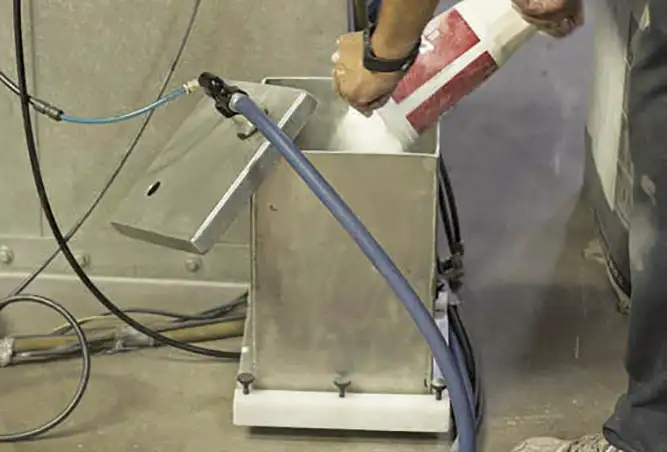
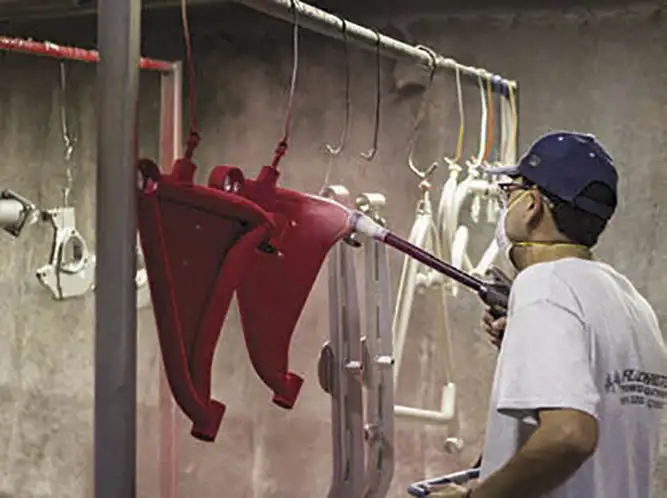
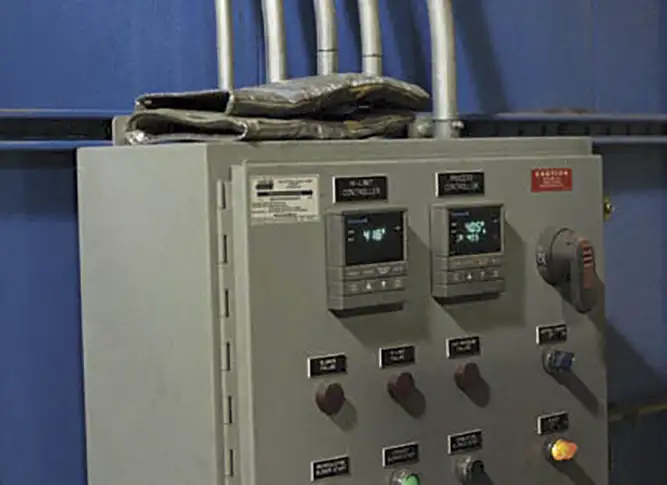
Another myth is that that powder coat is stronger than liquid paint because it’s electronically bonded to the metal. Well, there is some truth to that, the item to be sprayed is grounded and the powder-coating equipment delivers a positive electric charge to the powder. However, this is done to assist the operator who is dispensing the powder because two opposite charges attract each other, and the result is a consistent coating that makes it easier to cover tubing or open items. To finish the process, the coating must be cured and coated items must enter a finishing process, or an oven, where, depending on the color or finish, many items bake at temperatures higher than 400°F for 20 to 30 minutes.
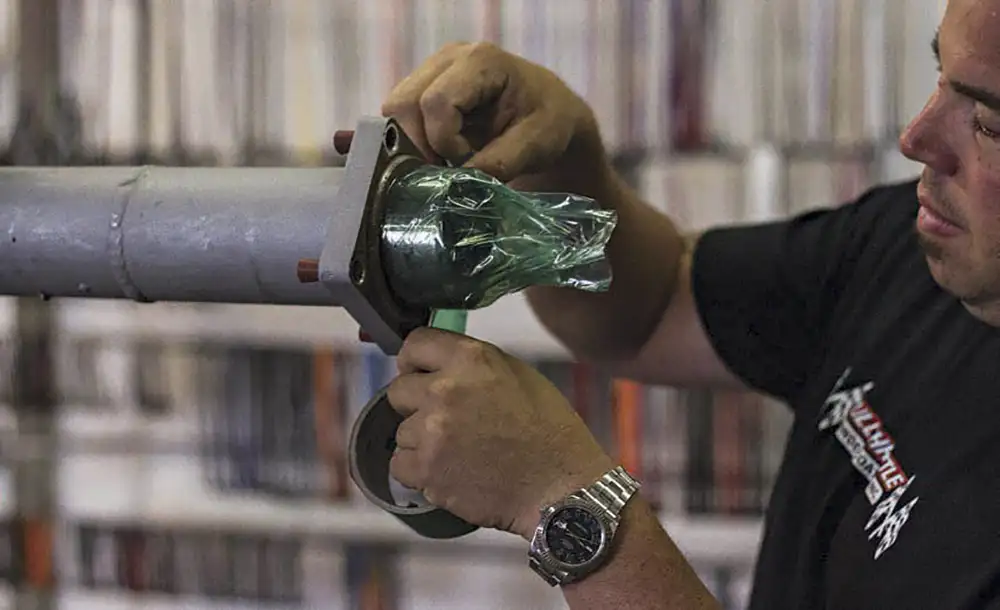
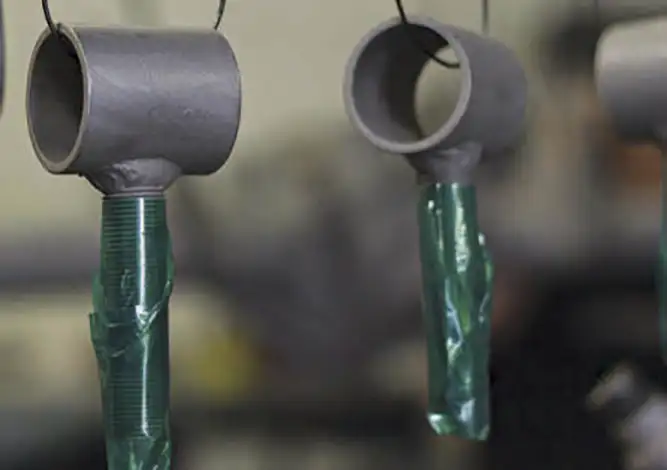
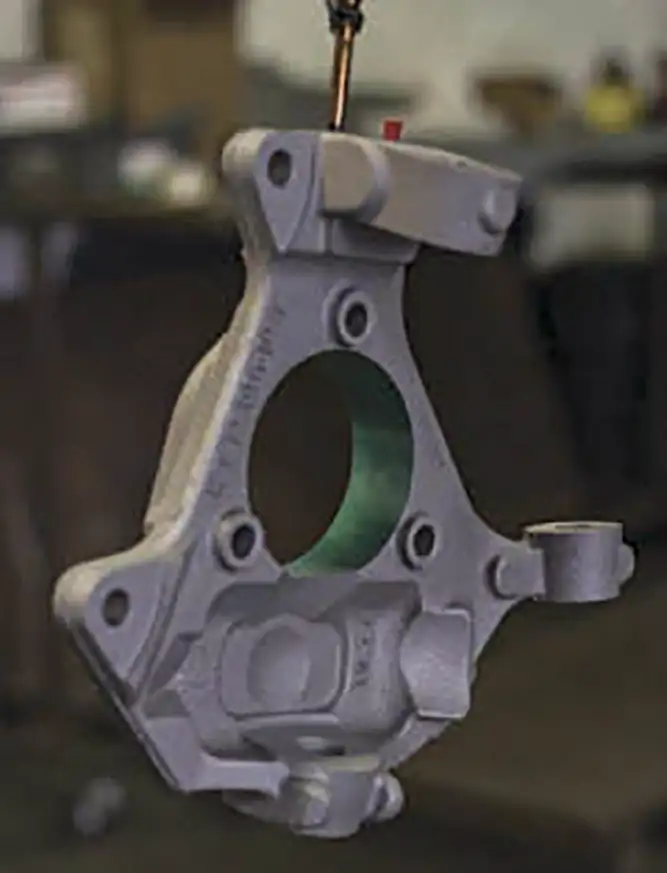
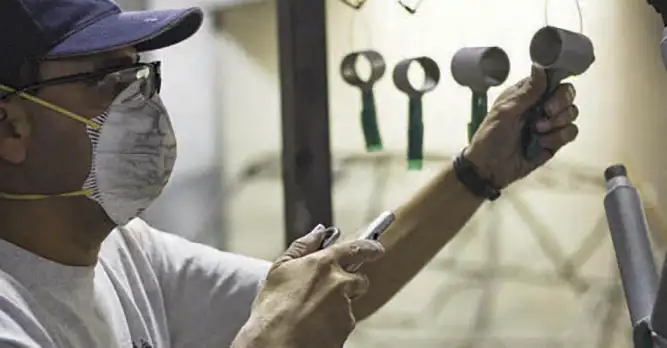
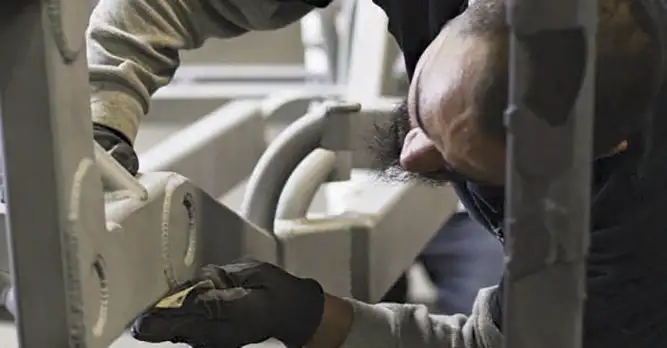
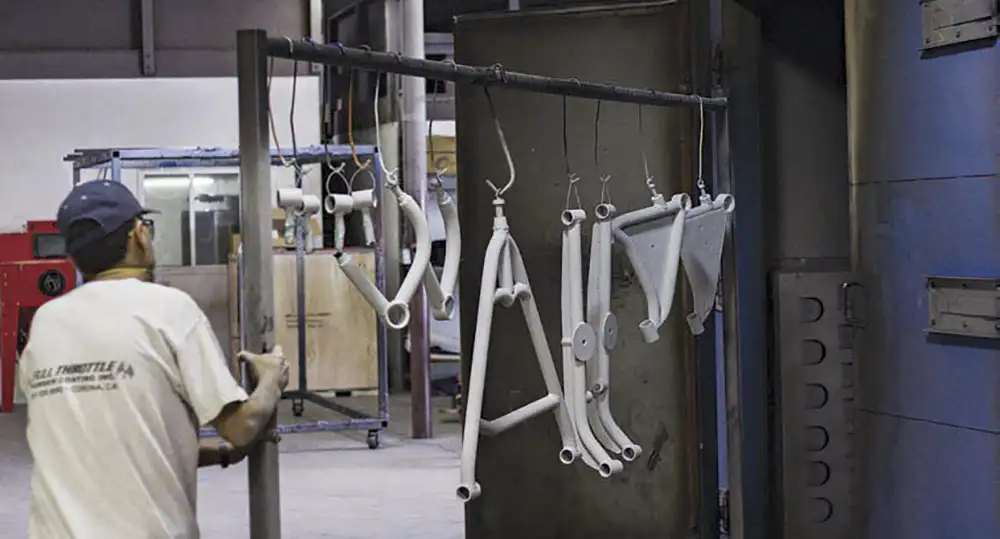
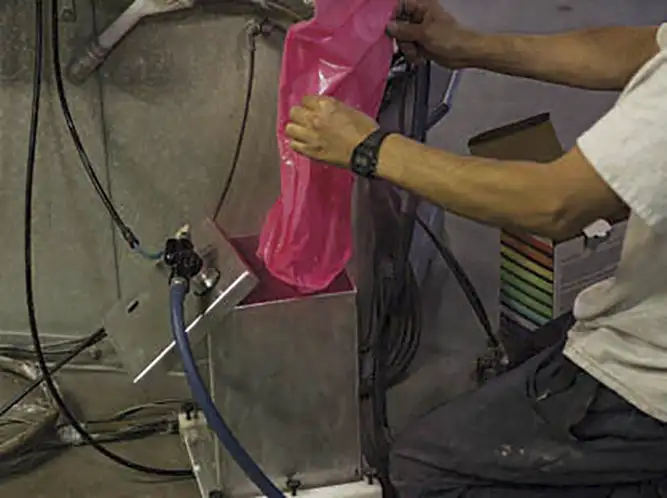
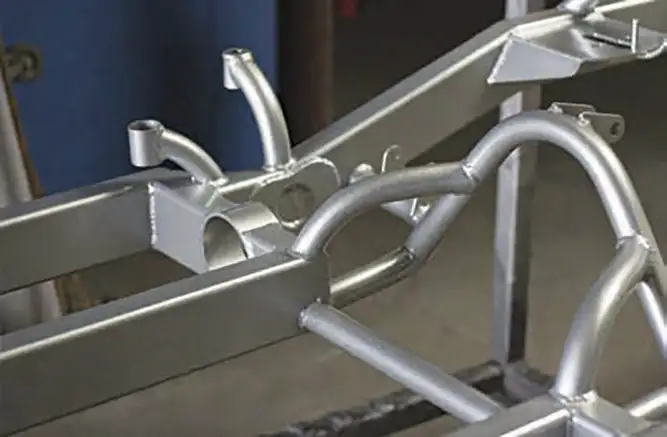
Now that you have an idea of how and where powder coating can be helpful to a project, let’s take a look at how it’s done. We stopped by Full Throttle Powder Coating in Corona, California, to get the inside scoop on how the process works. They were in full swing on a custom C-10 chassis fabricated nearby at SIK Fabrications. Their goal was to cover all of the custom work with metallic silver powder coat, and the suspension components would receive a translucent candy red for a stylish accent. Unlike wet candy paints, the durability of the candy powder coat is similar to its opaque counterparts. ST



FULL THROTTLE POWDER COATING
1693 Commerce St.
Corona, CA 92880
951.520.9992
Coronapowdercoating.com
SIK FABRICATIONS
Sikfabrications.com
Department
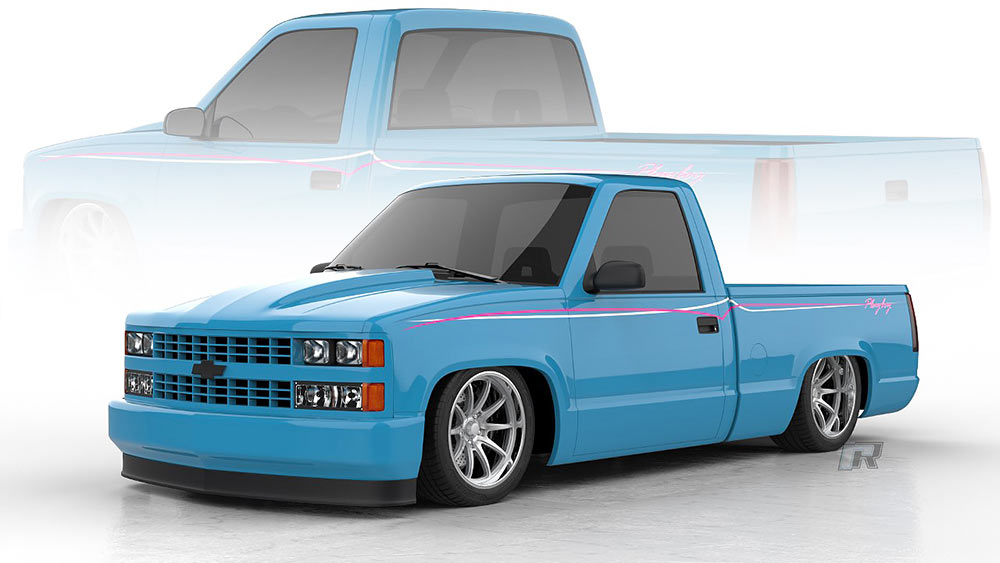
Project Playboy is our 1988 Chevy C1500 truck build that we found in the backyard of a random Florida man’s home. The truck was forgotten… Continue reading
Chris Hamilton . February 08, 2023
Features
Proactive Theft Prevention for All the Stuff in Your Truck! Protecting your truck’s valuables is an unfortunate necessity. Long gone are the days when you… Continue reading
Mike Self . October 05, 2023
How to
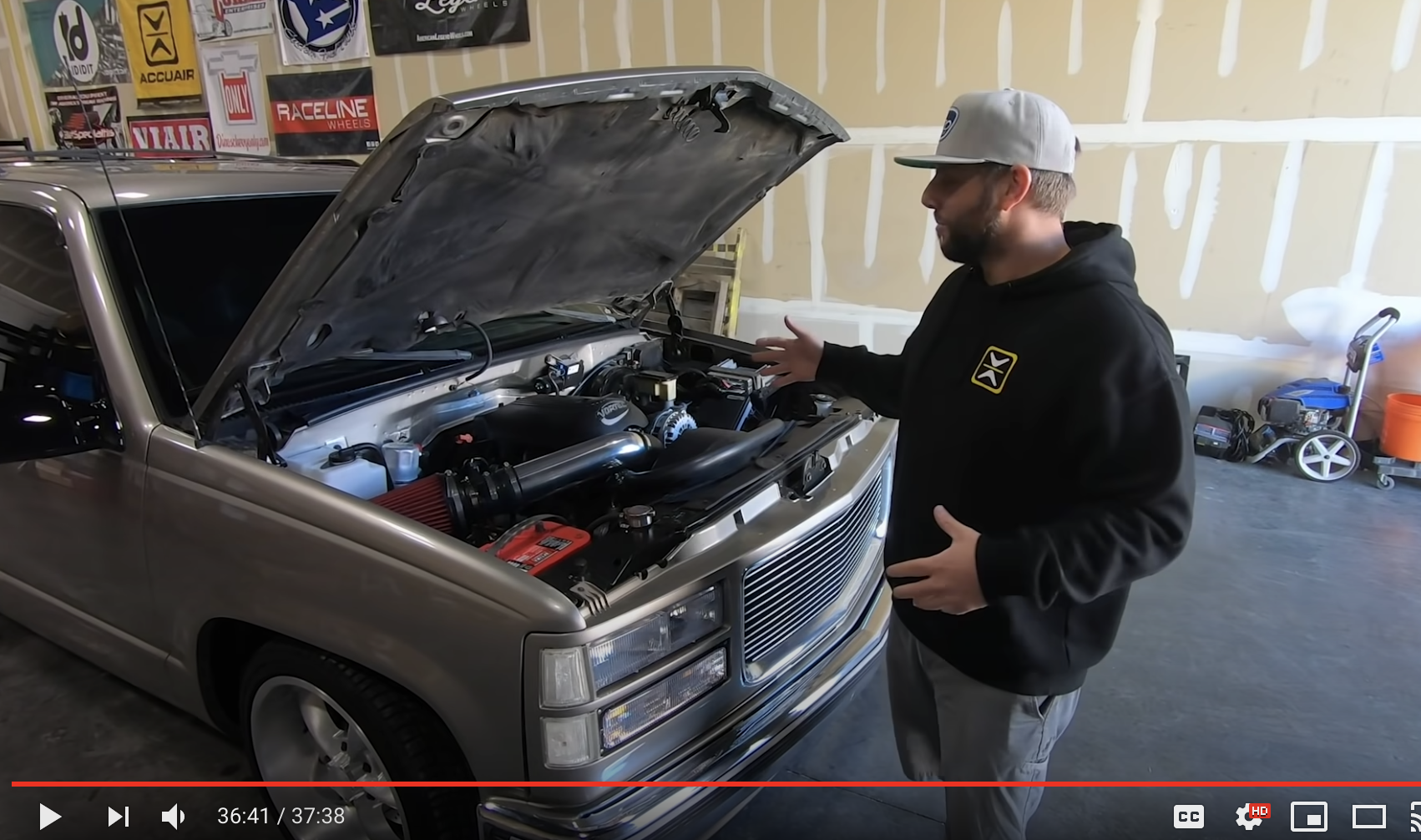
We walk you through the 5.3 LS install into Travis’ ’99 Tahoe. This video will explain what parts we used, the main steps we took… Continue reading
Chris Hamilton . October 13, 2020
Features
Aftermarket Suspension Systems Explained There’s an ongoing debate about which suspension system is the better choice for classic or late model trucks. Similar debates and… Continue reading
MARCEL VENABLE . February 05, 2026
America
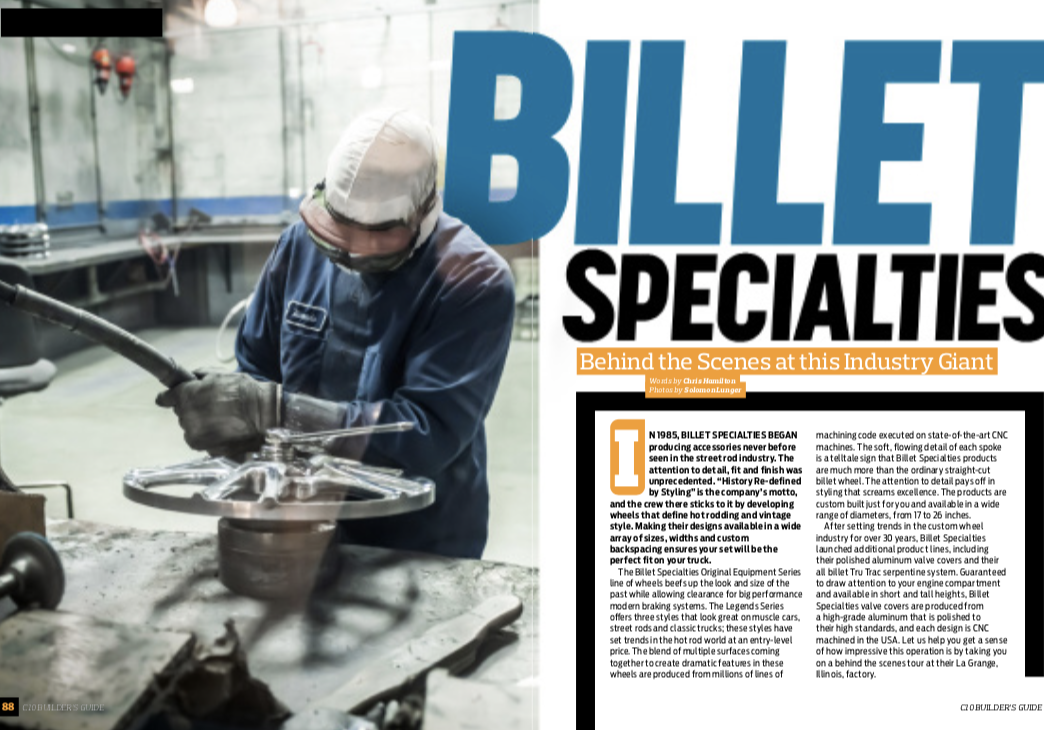
In 1985, Billet Specialties began producing accessories never before seen in the street rod industry. The attention to detail, fit and finish was unprecedented. “History… Continue reading
Chris Hamilton . June 29, 2020
America
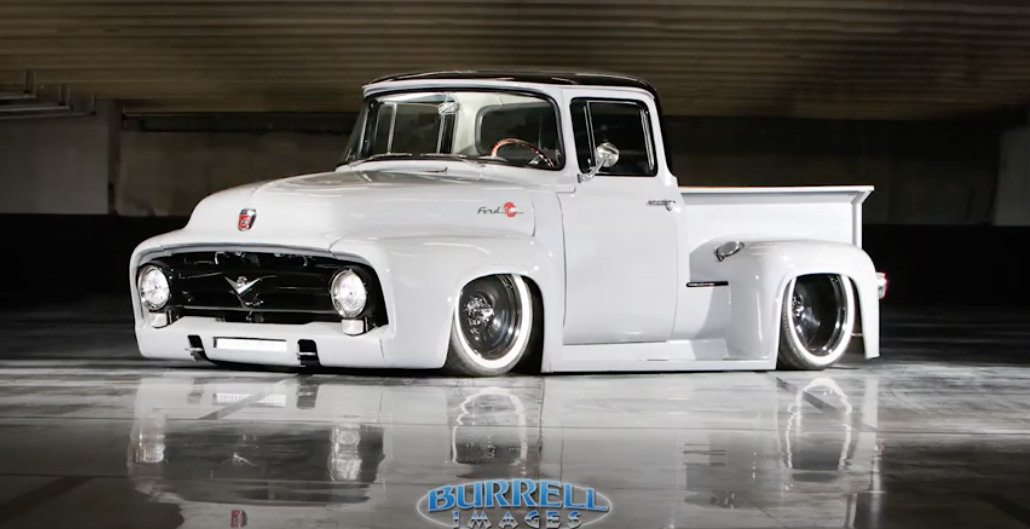
1956 Ford F-100 I know as “56 Road Rage” that I shot for the F-100 Builders guide. We had full access to the Charlotte Motor… Continue reading
Adam Johnson . October 12, 2021




Share Link