










 STREET TRUCKS STAFF
.
May 14, 2026
.
How to
.
STREET TRUCKS STAFF
.
May 14, 2026
.
How to
.
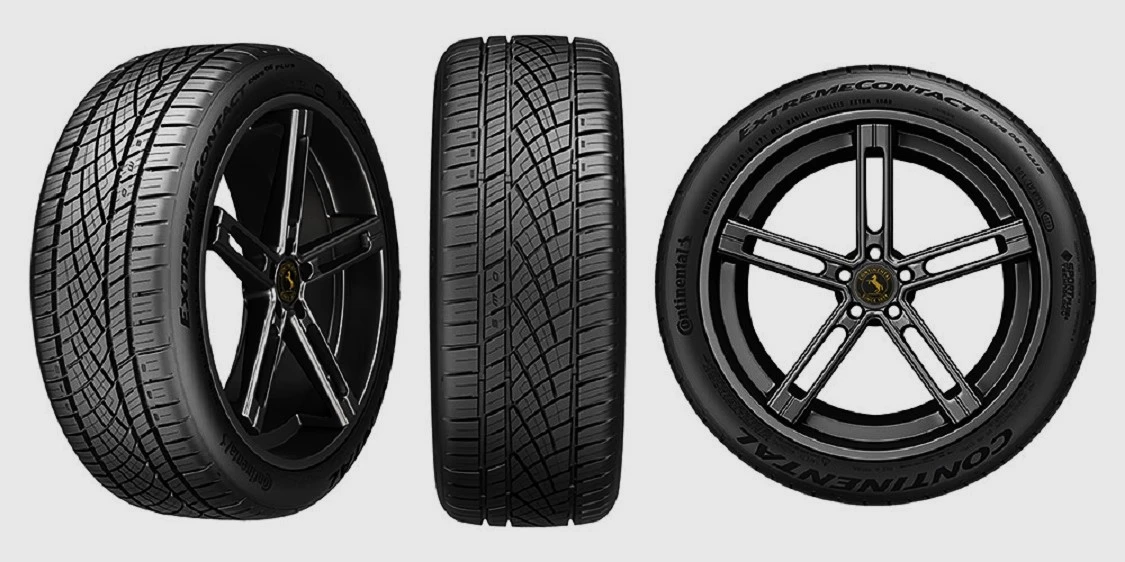
Replacing the tires and wheels of a car is about upgrading the safety, performance, and appearance. And yet, these upgrades are typically highly expensive. With careful financial planning, this can stay within budget when replacing each part, while keeping cost and quality in mind. Learning how to budget for the enhancements properly gives enthusiasts and everyday drivers the chance to enjoy the gains more safely.
Before figuring out how to finance wheels and tires, first determine if you need new tires or new wheels. Consider the vehicle’s age, driving conditions, and daily mileage. For those who frequently encounter rough surfaces, something that can withstand more wear and tear may be necessary. If you are a city driver, you might rather go for style or comfort. By understanding your requirements, you can avoid wasting money and time on features that are rarely used or of little value.
Going through different products and brands will help find those that are suitable according to needs and budget. Reviewing and comparing ratings provides a sense of the longevity and capabilities of different units. Some tires offer enhanced wet road grip, while others prioritize endurance. A detailed collection of information helps you make wise choices and reduce the risk of buyer’s remorse.
It is essential to have a clear budget before going shopping. Total funds available should be utilized, but allocated for upgrades within a specific portion of the budget. By doing so, it avoids overspending while ensuring that sufficient funds are still allocated for additional repairs or emergencies. Setting a range instead of a fixed amount also allows for some flexibility if a better product emerges during research at a slightly higher price.
There are also costs associated with upgrades, including installation, potential alignment, and disposal of your old parts. These costs should be rolled into the overall budget. Obtaining quotes from multiple service providers ensures that no hidden charges arise during the process. Considering these costs from the start ensures that you do not break the bank later.
Many of us would be enticed by a well-known brand, but a little research would reveal that a lesser-known manufacturer can deliver nearly identical performance for a much lower price. Weigh product specs and reviews, not brand name; that will give you more bang for your buck. Most inexpensive tires and wheels meet (or even exceed) required safety standards to provide peace of mind without breaking the bank.
Retailers often hold sales around specific times of the year, such as end-of-season clearances or holiday sales. By structuring your purchases around these times, you could save quite a bit. Since a driver can sign up for notifications from credible suppliers, they become aware of upcoming discounts and deals, allowing them to make their purchase timing more strategic.
Whether used or refurbished, inexpensive tires and wheels offer an affordable alternative for the penny-pinching individual. Most retailers sort used products by inspecting and certifying them to ensure they are safe and in good working condition. This choice reduces costs without compromising functionality. Be sure to check if there is a warranty, as this will give you peace of mind when purchasing a secondhand item.
Making frequent deposits for future purchases makes it more financially convenient to make them when that time comes. Dedicating an account for saving for vehicle upgrades helps limit spending on everyday use. They can slowly build savings but never add to their monthly bill. Buyers who have saved in advance also have more options when it comes time to make a purchase.
Many retailers have financing options for larger items. However, be sure to carefully inspect the interest rates, repayment terms, and total costs before signing. A plan that provides payments you can afford lets you upgrade without breaking the bank later on. Steering clear of high-interest plans prevents significant damage to long-term financial health while enabling very worthwhile improvements.
This is where consulting professionals can prove helpful, identifying upgrades that are worth the investment. This advice is often given by mechanics and tire specialists relating to compatibility, safety, and performance. Narrowing down helps in avoiding errors, which can be very costly. When time is taken to get advice, then wiser decisions are made, leading to greater satisfaction with the eventual purchase.
With the right care, new tires and wheels last longer, so be sure to get your money’s worth. By having them inspected regularly, rotated properly, and inflated to the correct pressure, tires are typically not subject to premature wear and tear. Keeping up with easy maintenance procedures also helps ensure the safest driving possible. It limits the need for replacement of these parts, ultimately extending budgets as far as possible.
With quality tire and wheel upgrades costing a significant amount, well-thought-out budgeting turns major purchases from a budgetary challenge into a smooth project. By assessing their needs, researching options, and planning purchases, drivers can upgrade their cars without straining their resources. By focusing on quality, opting for used options, and planning upgrades, they make sure every dollar goes a long way. A little bit of clever problem-solving helps the wallet remain largely intact.
F100 Builders
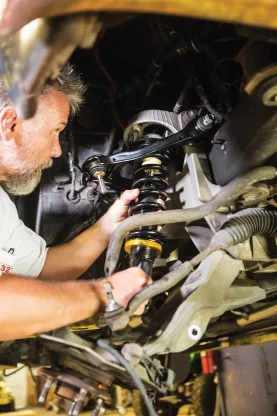
Team321 Coilover Install TEAM321 NOW OFFERS ADJUSTABLE coilovers to effectively set the ride height of your Crown Vic front suspension swap. Crown Vic front suspension… Continue reading
SOLOMON LUNGER . November 20, 2019
Blood Sweat and Gears
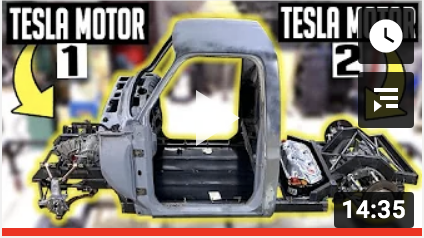
This week, we’re plugging away on this 1985 Chevy C10 Tesla Swap build. We’re finishing up our IFS system and getting it mounted on our… Continue reading
Chris Hamilton . August 29, 2021
Department
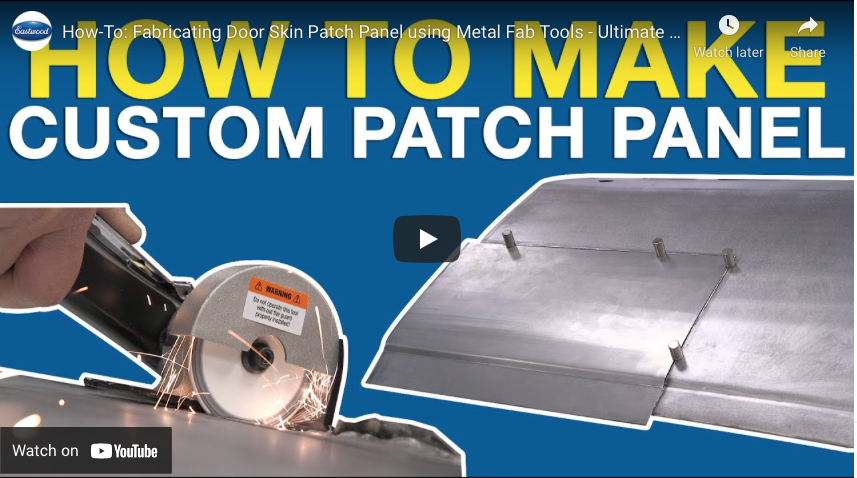
Mark shows how easy it is to tackle a common task: fabricating and installing a CUSTOM patch panel for your restoration! PANEL CUTTING & DEBURRING… Continue reading
Adam Johnson . February 14, 2022
Cover
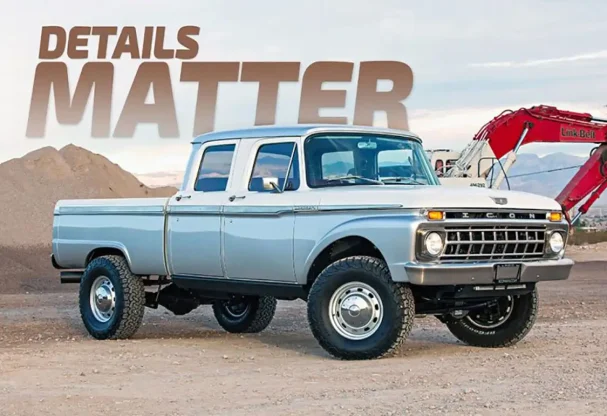
Designer, engineer, and mega-detail-freak Jonathan Ward started creating his Reformers series when he decided to put himself in the shoes of the original designers. If… Continue reading
JEROME ANDRE . January 09, 2023
Department
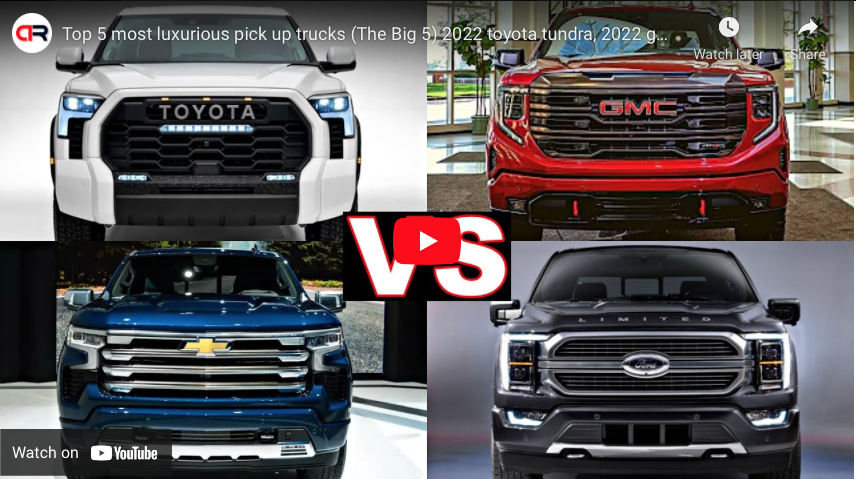
Top 10 most luxurious pick up trucks (The Big 5) 2022 toyota tundra, 2022 gmc sierra, 2022 ram 1500! Support My Channel… https://www.youtube.com/c/AutoRating?… 2022 Ford… Continue reading
Adam Johnson . March 03, 2022
Department
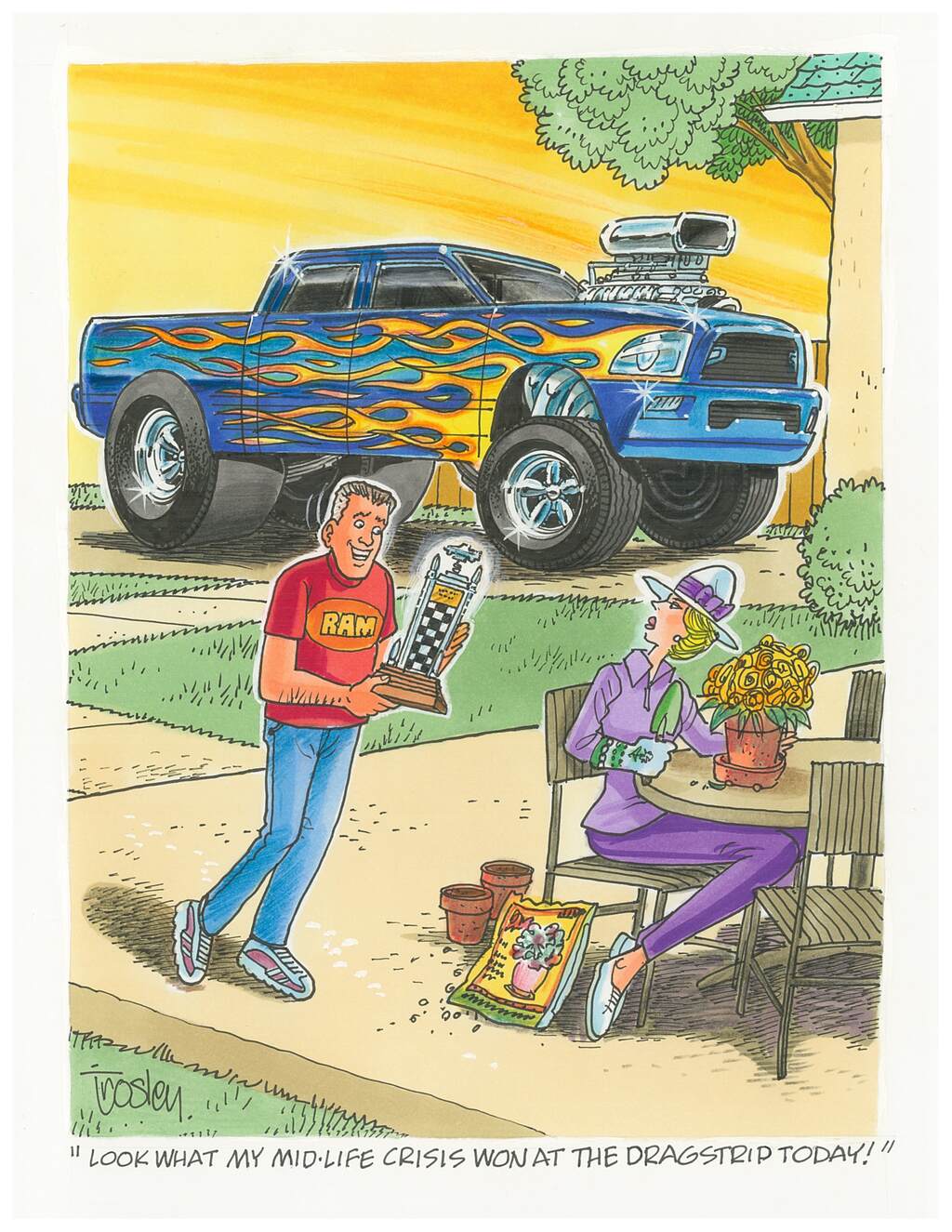
“Look what my midlife crisis won at the dragstrip today!” Get Your Weekly Truck Build Guides For FREE
Chris Hamilton . May 30, 2022



We use cookies to enhance your browsing experience, serve personalized ads or content, and analyze our traffic. By clicking "Accept All", you consent to our use of cookies. Visit our Cookie Policy for more info.




Share Link