










 STREET TRUCKS STAFF
.
May 12, 2026
.
Industry News
.
STREET TRUCKS STAFF
.
May 12, 2026
.
Industry News
.
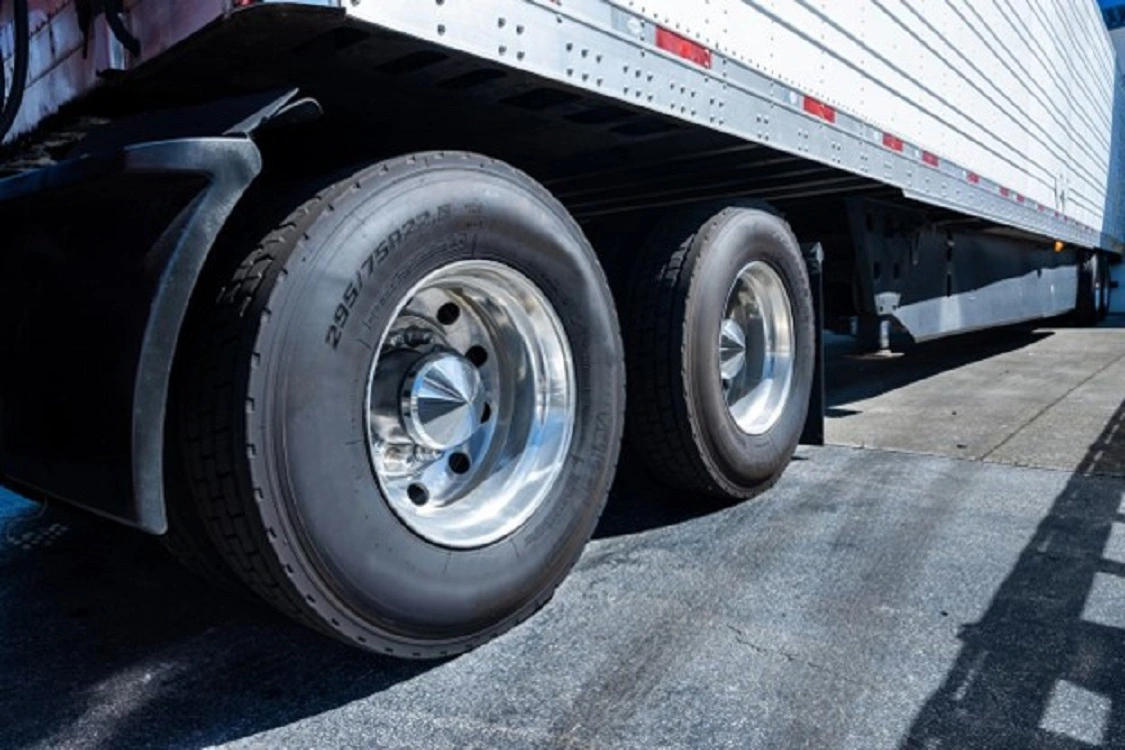
When you’re building or maintaining your truck, suspension upgrades, engine modifications, and custom paint schemes often steal the spotlight. But there’s one component that literally connects your rig to the road, your tires. The rubber meeting the pavement isn’t just about aesthetics or performance; it’s a critical safety element that can mean the difference between a smooth ride and a devastating accident, especially on Florida’s challenging roadways.
Florida’s intense heat and humidity create conditions that accelerate tire degradation faster than in most other states. When pavement temperatures soar above 140 degrees Fahrenheit during summer months, tire rubber breaks down more rapidly, increasing the risk of blowouts and tread separation. This thermal stress is compounded by the state’s heavy rainfall, which demands tires with adequate tread depth to channel water away and prevent hydroplaning.
According to the Federal Motor Carrier Safety Administration, tires represent one of the most common vehicle-related factors in large truck fatal crashes. In their analysis of crash data, tire-related issues accounted for approximately 1 percent of fatal crashes involving commercial trucks, a statistic that translates to hundreds of preventable incidents each year when proper tire selection and maintenance are neglected.
Not all truck tires are created equal, and choosing the wrong specifications for your vehicle’s weight and intended use can have serious consequences. Load rating, which indicates the maximum weight a tire can safely support, must match or exceed your truck’s gross vehicle weight rating (GVWR). Running tires below the required load capacity causes excessive flexing, heat buildup, and premature failure.
Speed ratings matter equally, particularly for highway travel. A tire rated for lower speeds than your typical cruising velocity will generate dangerous levels of heat through friction. The National Highway Traffic Safety Administration reports that an estimated 414 fatalities, 10,275 non-fatal injuries, and 78,392 crashes occur annually due to flat tires or blowouts. Many of these incidents stem from operating tires outside their designed parameters.
Florida law requires tires to maintain a minimum tread depth of 2/32 of an inch. While this is the legal minimum, safety authorities recommend replacing tires well before reaching this threshold, ideally at 4/32 of an inch for enhanced wet weather performance.
Truck owners often face the decision between consumer-grade and commercial-rated tires. Commercial tires are engineered with reinforced sidewalls, heat-resistant compounds, and construction methods designed to withstand sustained heavy loads and extended highway use. These design differences aren’t merely incremental improvements; they represent fundamentally different safety profiles.
The tire pressure monitoring requirements established by federal safety standards exist because proper inflation is crucial to tire performance and longevity. Underinflated tires flex excessively, generating heat that can lead to catastrophic failure. Overinflation reduces the tire’s contact patch, compromising traction and increasing wear in the center of the tread.
Despite advances in tire technology and manufacturing, failures still occur, and the consequences can be severe. A tire blowout at highway speeds can cause a driver to lose control, potentially resulting in rollovers, jackknife situations, or collisions with other vehicles. In Florida’s dense traffic corridors, such incidents create chain-reaction crashes affecting multiple vehicles.
When tire-related accidents result in injuries, determining liability becomes a complex legal question. Was the failure due to a manufacturing defect, improper maintenance, incorrect tire selection, or inadequate inspection? Legal teams in Florida evaluate multiple factors, including maintenance records, tire age and condition, load capacity compliance, and whether proper procedures were followed. Understanding your legal options after a truck accident involving tire failure can be crucial for protecting your rights and securing appropriate compensation.
For truck owners and operators in Florida, tire selection should be approached as a critical safety investment rather than a discretionary expense. Here are essential considerations:
Climate Compatibility: Select tires specifically designed to handle extreme heat and wet conditions. All-season tires rated for Southern climates provide better performance than those designed for moderate temperature ranges.
Age Matters: Tire rubber degrades over time regardless of tread depth. Most manufacturers and safety authorities recommend replacing tires every six years, even if they appear to have adequate tread remaining. In Florida’s harsh conditions, this timeline may be even shorter.
Regular Inspections: Visual checks for cracks, bulges, uneven wear, and embedded objects should be performed before every trip. Professional inspections can identify internal damage not visible from the outside.
Proper Maintenance: Maintaining correct tire pressure, rotating tires according to manufacturer recommendations, and ensuring proper wheel alignment extends tire life and improves safety.
The relationship between tire choice and safety isn’t just theoretical; it’s proven daily on Florida’s roads. Whether you’re running a daily driver, a weekend warrior, or a show truck, the tires you choose and how you maintain them directly impact your safety and the safety of others sharing the road.
By understanding the specific challenges of Florida’s climate, selecting appropriate tire specifications for your truck’s weight and use, and maintaining those tires properly, you’re not just protecting your investment; you’re taking responsibility for one of the most critical safety components on your vehicle. The few extra dollars spent on quality tires and regular maintenance are insignificant compared to the potential consequences of tire failure on the highway.


Department
Info From an Industry Insider Tnthusiasts, let’s talk about truck projects. When your vision is dialed in, how do you go about executing? Do you… Continue reading
Jason Ballard . March 16, 2026
c10
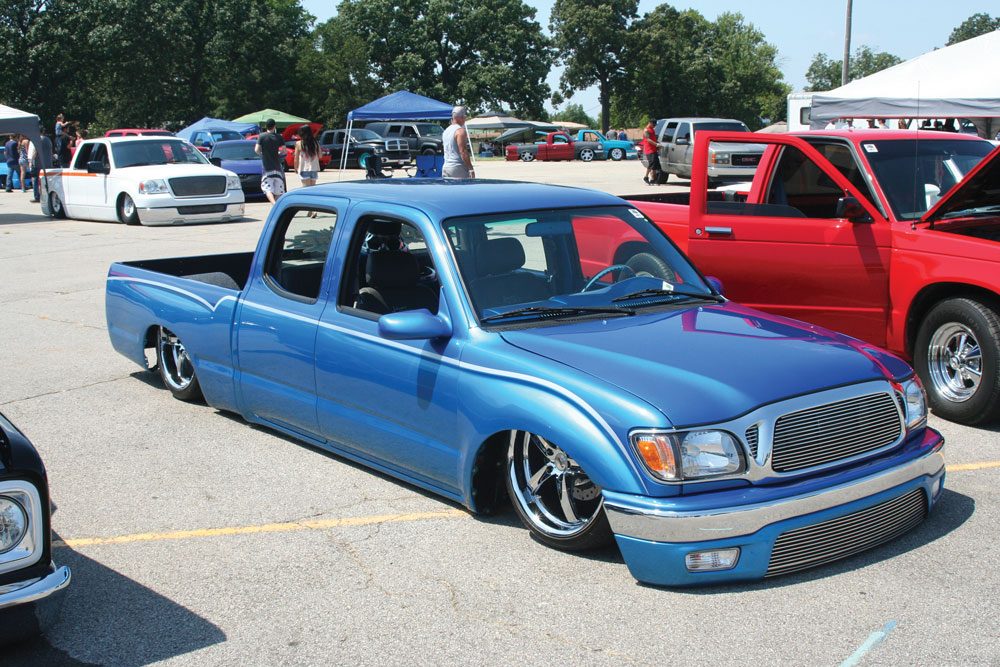
MAKING NOISE IN FT. SMITH, ARKANSAS If you haven’t heard of Slamily Reunion Car, Truck & Bike Show yet, consider yourself seriously deprived. Simply put,… Continue reading
streettrucks . December 16, 2020

C10 Builders Guide
Street Trucks Magazine is calling out all the Texas truck owners to come to Show Off July 17th at Lone Star Park in Grand Prairie, TX! www.showoffseries.com… Continue reading
Chris Hamilton . June 22, 2021
Features
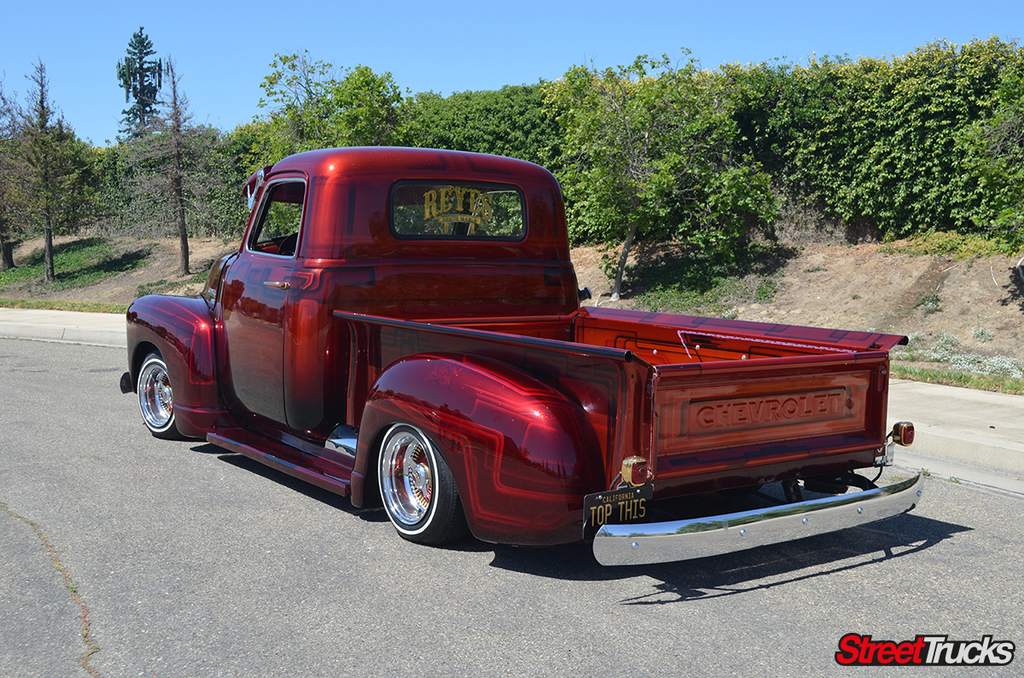
As you readers know, we travel high and low in search of some of the top trucks in the country and they go from mild… Continue reading
TOM GOMEZ . June 02, 2020

COOL GEAR
Pinstripers Starter Kit Mack Brush Company’s Pinstripers Starter Kit is a great way to jump into the world of pinstriping. It’s ideal for pulling straight… Continue reading
Chris Hamilton . May 17, 2022
C10 Builders Guide
Summit Racing Engine Replacement and a TCI 700R4 Transmission Welcome back to our exciting build series on our 1988 Chevy OBS truck, where we continue… Continue reading
Chris Hamilton . October 04, 2023



We use cookies to enhance your browsing experience, serve personalized ads or content, and analyze our traffic. By clicking "Accept All", you consent to our use of cookies. Visit our Cookie Policy for more info.



Share Link