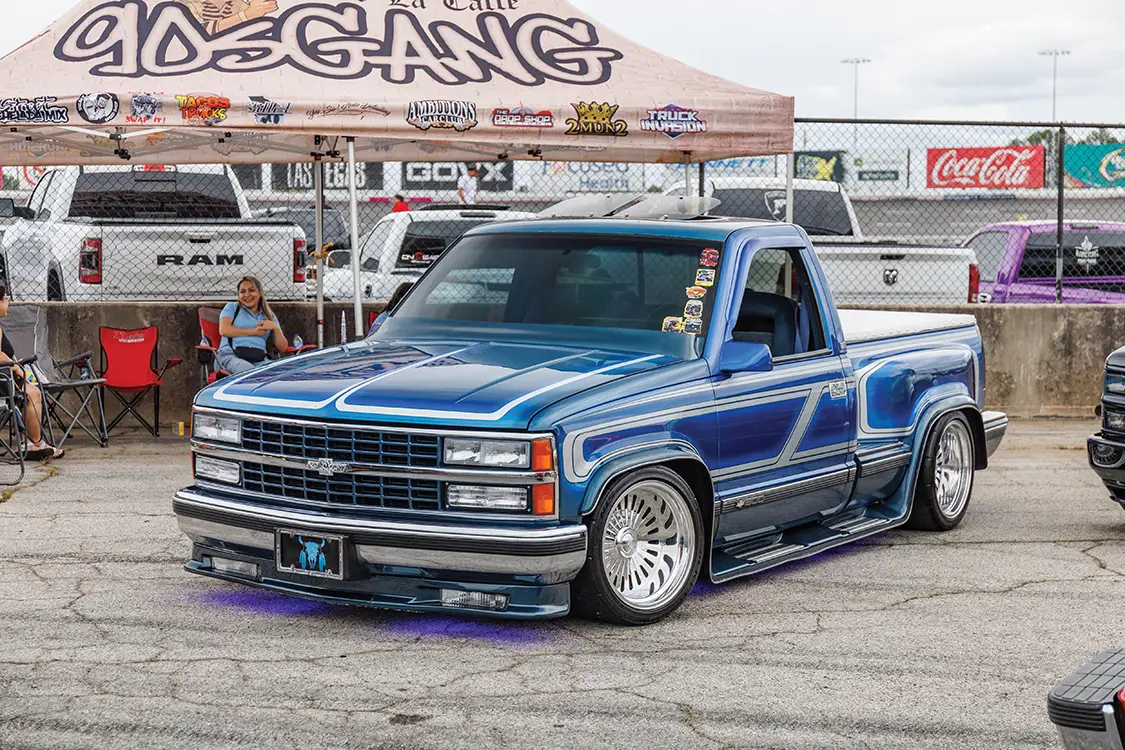
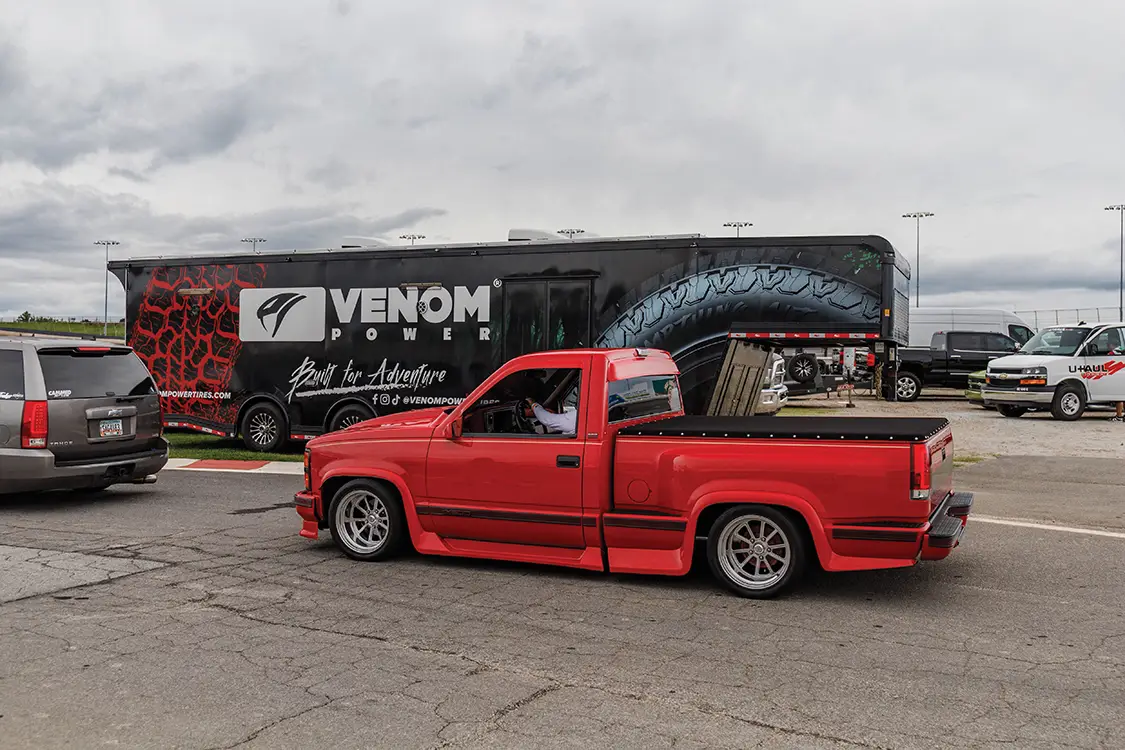
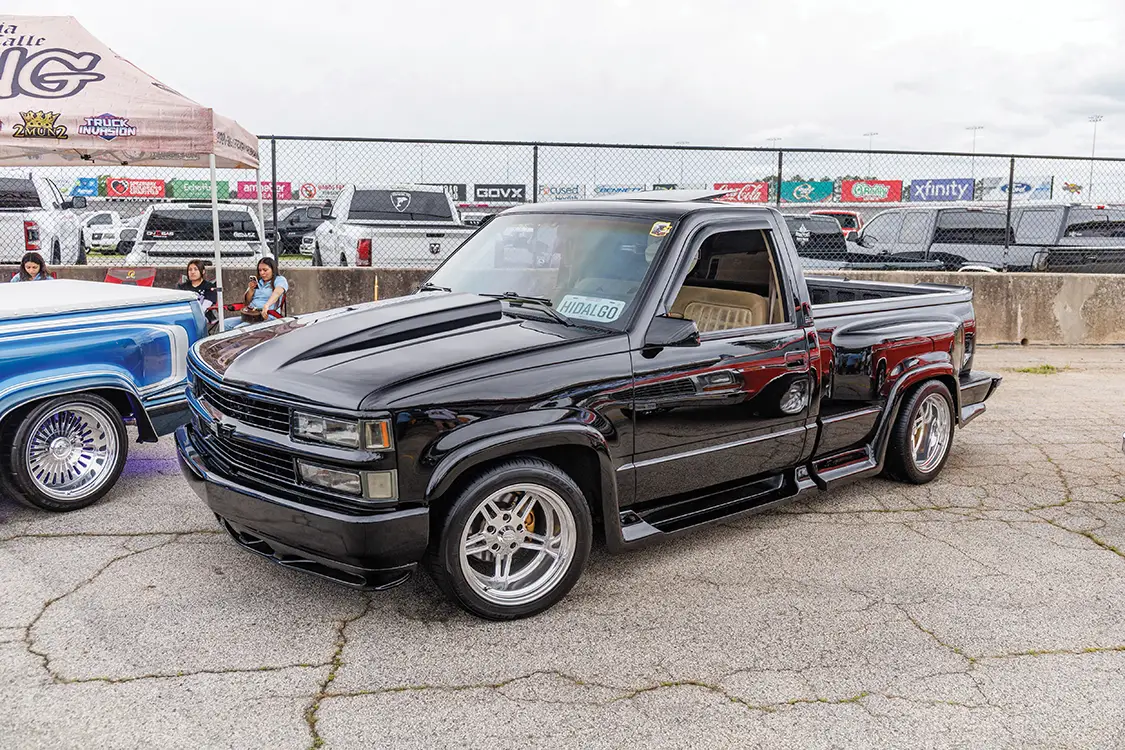
The 1988–1998 GM GMT400 platform, affectionately known to us as the OBS (Old Body Style), didn’t just spark a massive wave of home-built customs. It fueled an absolute golden age of “luxury dealer-ordered conversion trucks.”
Back in the late ‘80s and ‘90s, original equipment manufacturers (OEMs) routinely shipped bare-bones or mid-tier single and extended cab trucks straight from the factory to specialized conversion houses before they ever even sniffed a showroom floor. These companies took the opulent comfort, fiberglass styling, and wild paint aesthetics of the ‘70s and ‘80s conversion van craze and injected it straight into the half-ton truck market.
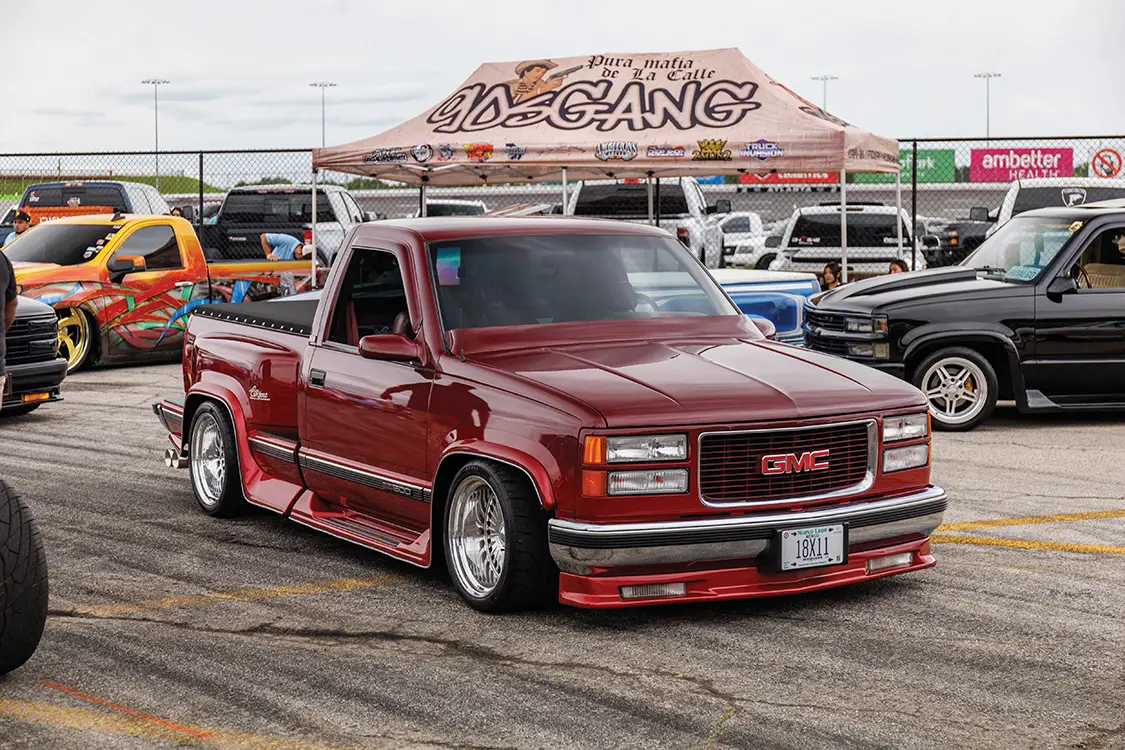
Today, these trucks are making a major comeback. They are being replicated, and modern technology is being added to the old-school aesthetic, especially in South Texas. Down in the Rio Grande Valley (RGV), the ‘88-’98 OBS is not only another conversion truck; it has turned into a whole culture that has spread across the globe.
Let’s take a trip down memory lane and take a look at the big four conversion legends that started it all.
Choo Choo Customs (Chattanooga, Tennessee)
The Original Street Cruisers
Clean Street Stance
Integrated Ground Effects
Real Walnut Accent
Billboard-Style Graphics
Originally founded in 1975, Choo Choo Customs became a household name through its official partnership with Chevrolet, most notably building the iconic, dealer-ordered El Camino SS conversions from 1983 to 1987. When the El Camino was discontinued, Choo Choo shifted its focus heavily toward GM minivans, Suburbans, and the newly released 1988 OBS platform.
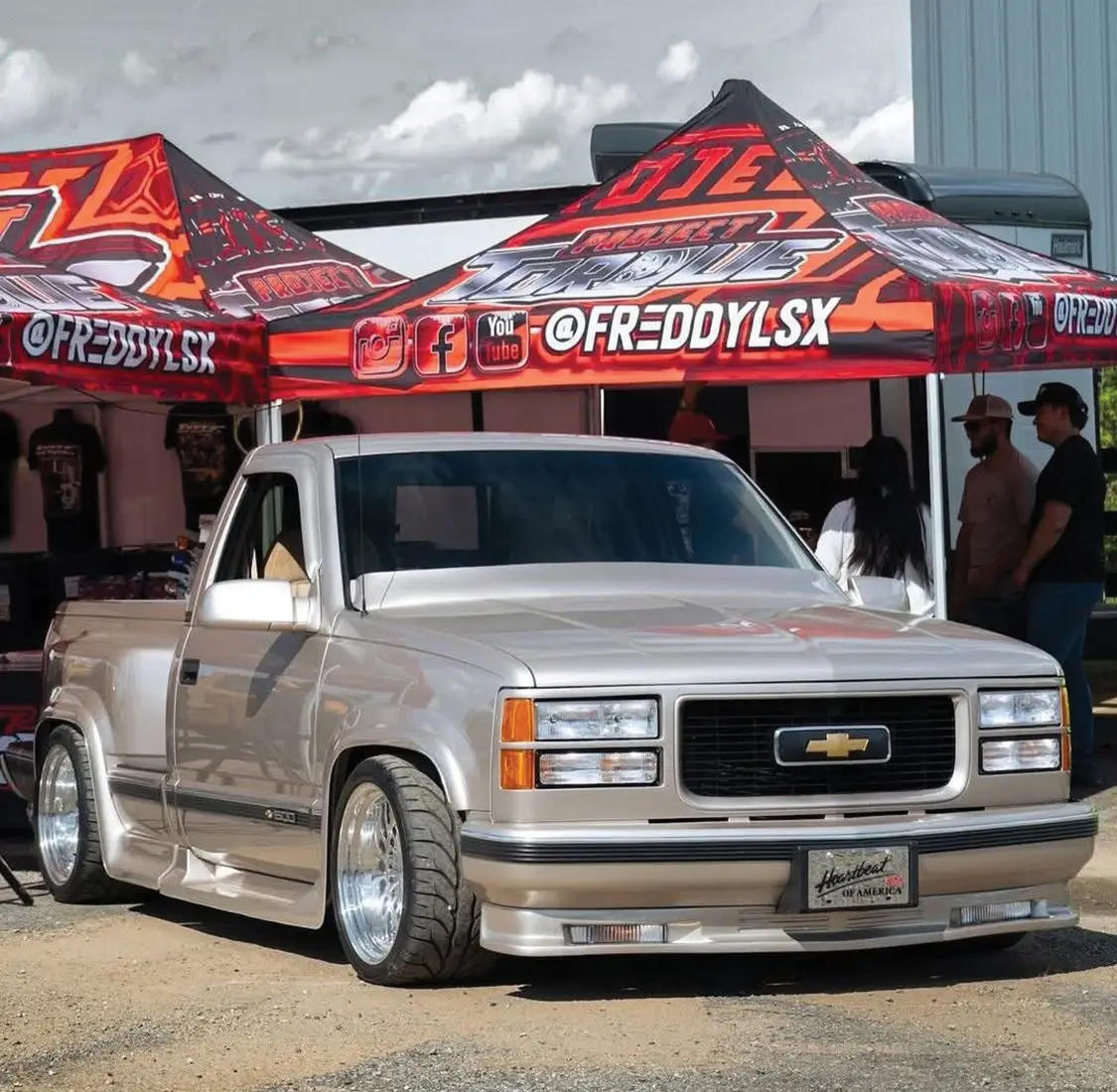
Choo Choo trucks were easily identifiable by their integrated, wraparound fiberglass ground effects and running boards. They favored a clean, street-cruiser stance, often featuring custom front air dams with integrated fog lights, cowl-induction-style hoods, and billboard-style graphics or elegant two-tone, multi-stripe paint patterns.
True to their van roots, Choo Choo packed the interiors with high-end luxury. They were famous for adding real wood trim accents (like high-gloss walnut or oak) on the dash, overhead consoles, and door panels. Upgraded plush velour or premium leather seating with custom embroidery completed the look.
Southern Comfort (Trussville, Alabama)
The Masters of the 90s Fade
If you walked onto a Chevy or GMC lot in 1995 and saw an extended cab Z71 or a stepside with an extra $15,000 to $20,000 tacked onto the window sticker, odds are it came out of Southern Comfort’s Alabama facility. Now widely known under the SCA Performance banner, they were one of the absolute giants of the ‘90s conversion era.
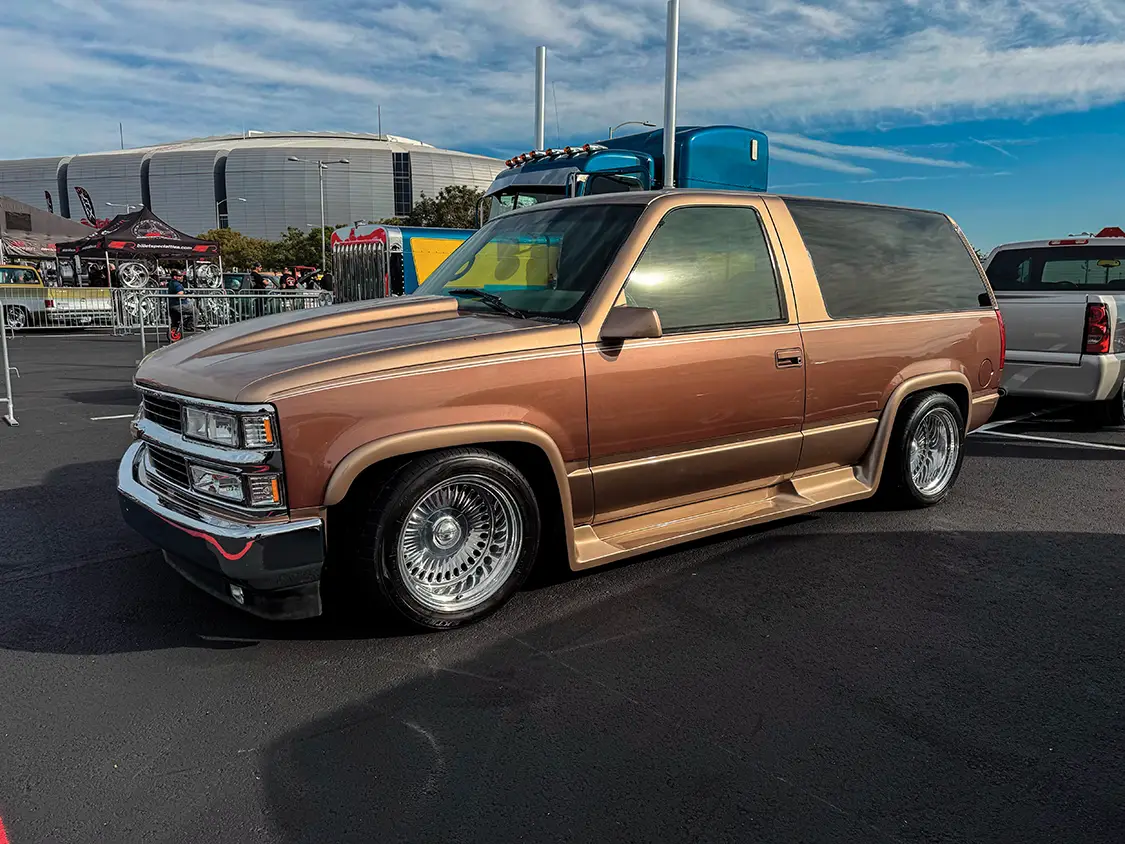
Southern Comfort was a master of paint. They popularized the iconic “90s fade paint jobs,” where the primary body color seamlessly melted into a secondary tone along the bottom or middle section of the truck, accented by fine hand-painted pinstriping. They offered both low-slung street packages (like their Axis series) and lifted 4×4 packages utilizing heavy-duty brush guards and billet grilles.
They spared no expense inside. Southern Comfort conversions frequently replaced standard factory gauges with custom-colored faces (often vivid blue or red). They featured thick, premium leather captain’s chairs with custom stitched headrests, overhead wood consoles with integrated lighting, and premium upgraded audio systems.
Trail Master (Elkhart, Indiana)
The Heavy-Hauling Luxury Kings
Operating right out of the RV and vehicle conversion capital of the world, Trail Master approached the OBS platform with a distinct blend of Midwest utility and high-end luxury. While they built clean 2WD street cruisers, they carved out a major niche in the plush, heavy-hauler and 4×4 segments.
Trail Master trucks frequently made use of robust, wide-flare fiberglass running boards that blended effortlessly into the factory fender lines. They leaned into functional exterior upgrades, including color-matched sun visors over the windshield, rear cabin wings, and high-quality chrome or billet grille inserts. Their paint schemes were typically classic and stately, relying on crisp, multi-tone metallic layouts rather than loud graphics.
Inside, Trail Master focused heavily on long-haul comfort. They specialized in installing highly functional overhead consoles that housed radar detectors, CB radios, or auxiliary lighting, surrounded by rich, glossy wood paneling. Their seating upgrades offered some of the most cushioned, ergonomic bolstering available at the time.
Wild Child represents the smaller, ultra-stylized boutique tier of the ‘90s conversion boom. While giants like Southern Comfort and Choo Choo were pushing thousands of units through nationwide dealer networks, boutique labels like Wild Child catered directly to the peak of 1990s mini-truck and sport-truck culture.
Wild Child (Regional / Boutique)
The Rad Era Sport Truck Rebel
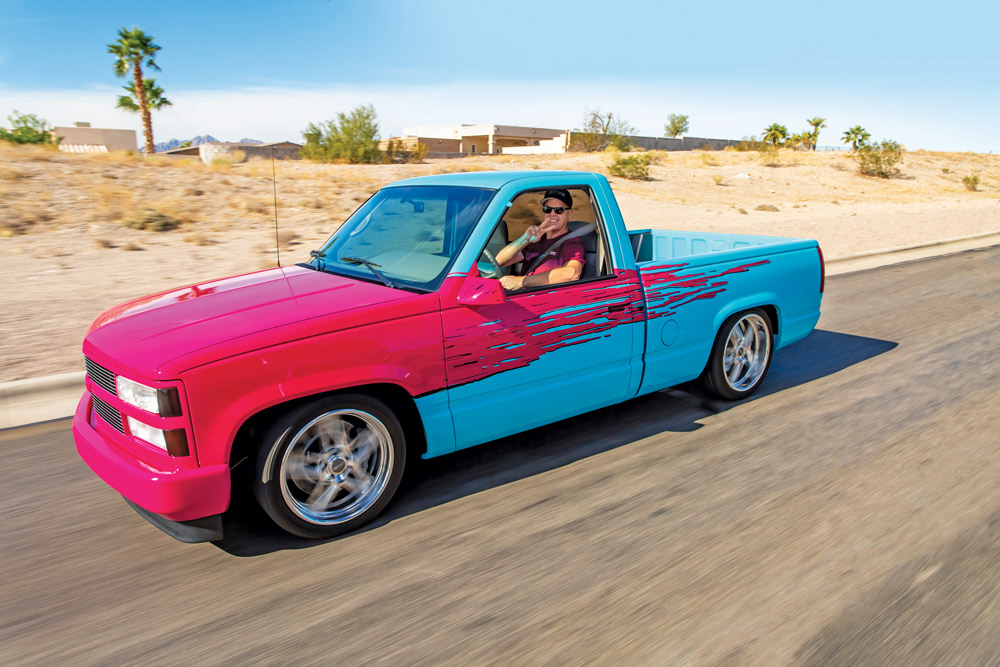
Neon Splash & Lightning Decals
Static-Dropped Sport Stance
Body-Matched Interior Trim
Billet Wheels
Massive Tweed Stereo Enclosures
Custom Smooth Stepsides
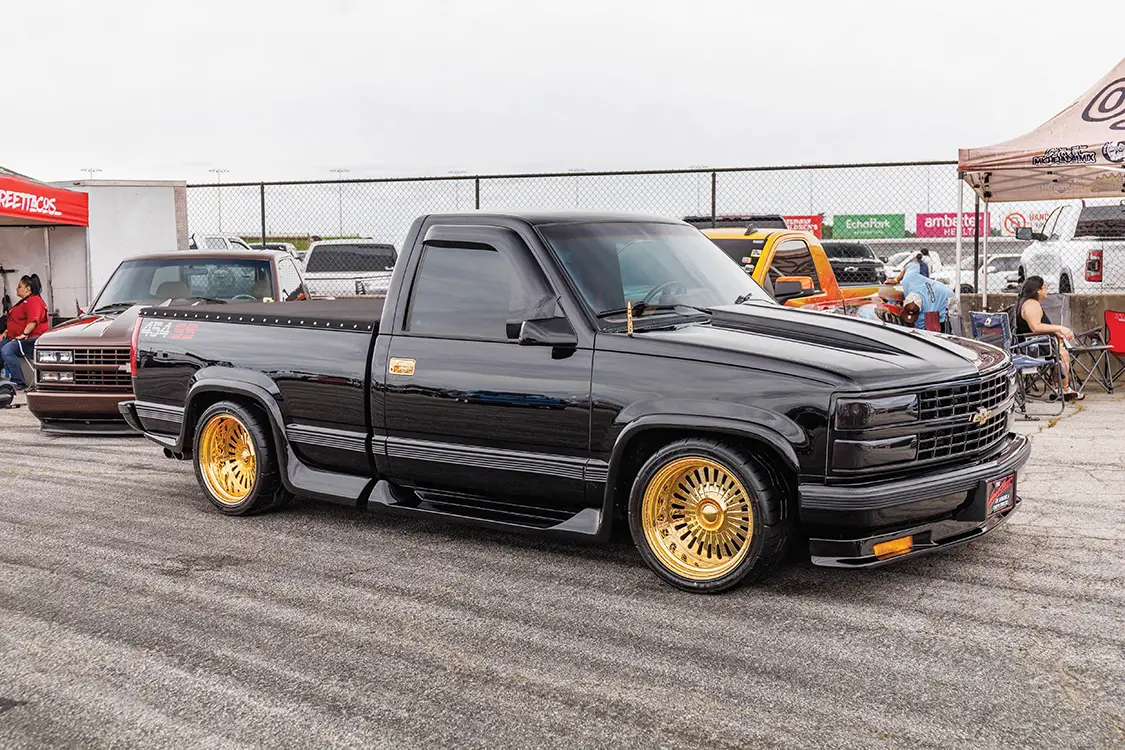
Living up to the name, these builds embraced the louder, high-energy trends of the mid-to-late ‘90s. They pushed the envelope with radical graphic packages—think neon splash decals, jagged lightning aesthetics, and bold geometric patterns that defined the era. They almost exclusively focused on the static-dropped, sport-truck look, pairing their custom fiberglass roll pans and smooth stepsides with the era’s must-have billet wheels like classic Billet Specialties and Boyd Coddington brands.
Inside, the wild theme continued. Instead of traditional, conservative wood grains, these boutique builds often featured body-matched painted interior trim pieces, custom tweed or bold two-tone leather upholstery, and massive aftermarket stereo enclosures that took full advantage of the OBS extended cab space.
Because these trucks were modified before original delivery, their unique fiberglass body kits, wood trim pieces, and specific graphics were never cataloged under standard GM parts numbers. Today, finding an OBS conversion truck with its original, undamaged fiberglass ground effects and intact interior woodwork is highly prized by collectors of ‘90s nostalgia.
Whether you’re cruising the streets of the RGV or building a clone in your garage, the conversion truck era remains one of the coolest chapters in truck history!
My name is Joe Acevedo Jr., but most people know me as “Ace.” I’m a photographer based out of South Texas, and for as long as I can remember, I’ve had a passion for cars and trucks. Growing up ...
We use cookies to enhance your browsing experience, serve personalized ads or content, and analyze our traffic. By clicking "Accept All", you consent to our use of cookies. Visit our Cookie Policy for more info.





















Share Link