








 ST-STAFF
.
December 11, 2025
.
Industry News
.
ST-STAFF
.
December 11, 2025
.
Industry News
.
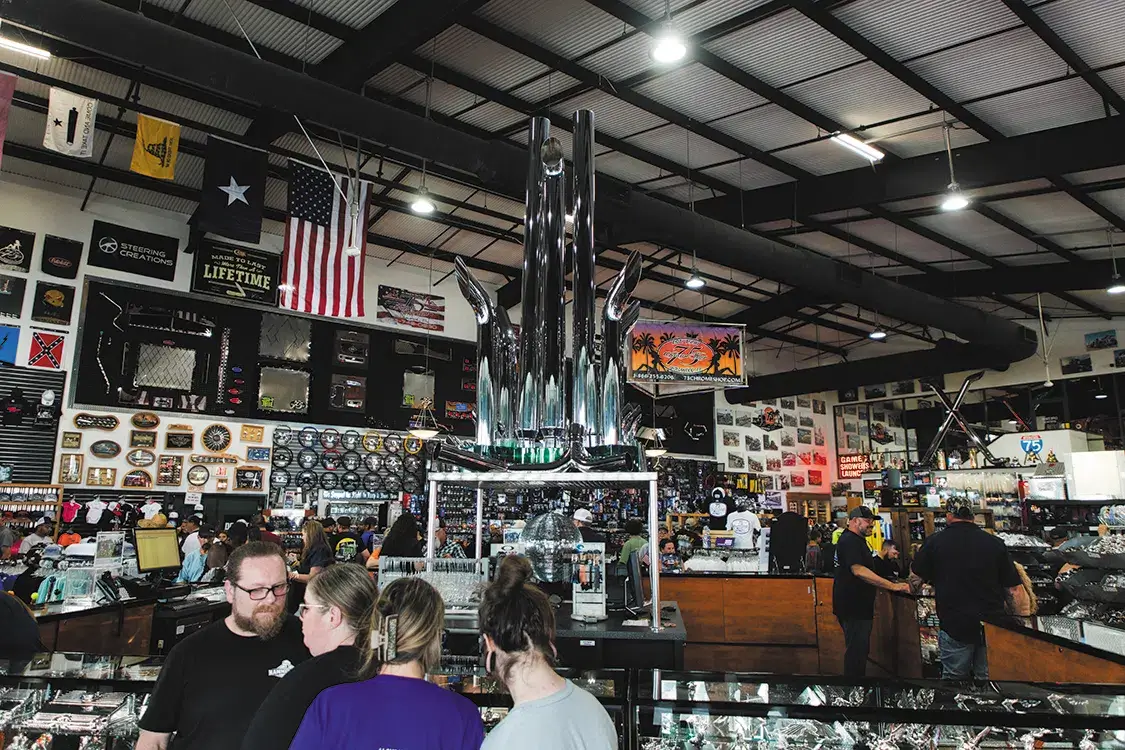
Finding the right used truck parts can feel like a choice between saving money and taking a big risk. Done well, it lets you keep a workhorse on the road without draining your budget. Done poorly, it leads to repeat repairs, extra downtime, and parts that fail at the worst possible moment. Good sourcing makes the difference. You need parts that match your truck, fit correctly, and still have plenty of life left in them.
The good news is that you have more options than ever. From local yards to specialist dismantlers and online platforms, every source has its own strengths. Some buyers even start by looking at junk trucks for sale and then strip those vehicles for engines, transmissions, or body panels that still have value. Sites like Cars4.bid and similar marketplaces give you a way to target trucks and parts that match your exact needs, as long as you follow a clear plan. The sections below guide you in planning and help you avoid costly mistakes.
Local salvage yards remain one of the most reliable places to find used truck parts. They work with regional insurance companies, tow firms, and private owners, so their stock often reflects the trucks that actually run in your area. That increases the chance of finding parts that match your trim level, axle setup, or engine code. Walking the yard or browsing their inventory database gives you a clear picture of what you can source quickly.
Most serious yards now keep at least a basic digital inventory. You can call with the year, make, model, and the last eight digits of the VIN and ask them to check their system. Some yards even group similar platforms together, so they know which frames, control arms, or hubs cross over between models. That knowledge saves time and prevents trial-and-error shopping. When you combine their data with your own homework, you cut down on wasted trips and wrong parts.
You can also build a long-term relationship with one or two yards. If they know you care about quality and pay on time, they will often hold parts for you, give early notice when a compatible truck comes in, or offer better prices on bulk purchases like sets of wheels, body panels, or interior trim. That kind of relationship has real value if you maintain more than one truck or help friends and family with repairs.
Online marketplaces open up an enormous supply of used truck parts. You can search by OEM number, narrow the results by location, and compare prices in minutes. That reach matters if you drive a less common trim level or a truck that left production years ago. Sellers often list complete axles, transfer cases, steering racks, and interior parts that never show up locally.
You still need discipline when you shop this way. Always compare the seller’s part number with your own part and the manufacturer’s catalog. Ask for close-up photos of casting numbers, tags, labels, and mounting points. If a listing looks vague or relies on stock photos for complex parts, move on. Serious sellers show the actual part from multiple angles and mention mileage, donor vehicle, and any visible wear.
Protect yourself by checking the seller’s history and return policy. Look for a large number of sales, detailed feedback, and clear terms. Many professional dismantlers sell through online platforms and offer limited warranties on engines, transmissions, and electronic modules. That kind of backing matters if you live far from their location and must rely on freight shipping instead of picking parts in person.
Specialty dismantlers focus on specific brands, weight classes, or vehicle types. Some deal only with half-ton and three-quarter-ton pickups. Others focus on heavy-duty work trucks, box trucks, or commercial chassis. Because they focus on a narrow niche, their staff often knows exact compatibility details that general yards never track.
These businesses strip incoming trucks in a systematic way. They test major components, tag everything, and store parts under cover. That process tends to produce cleaner engines, transmissions, rear ends, and interior pieces. You pay a bit more than you would in a self-service yard, yet you gain better odds of receiving a part that works on the first try. Many specialty dismantlers also ship nationwide and will send detailed photos or compression readings before you place an order.
If your truck runs in commercial service, a specialty dismantler can become a key partner. They often stock PTO parts, heavy-duty cooling components, reinforced suspension pieces, and other items that general yards rarely see. That stock lets you keep a revenue-producing vehicle on the road instead of parked behind the shop.
People often leap straight to junk yards and online marketplaces when they think about used parts, yet local parts stores still matter. Many of them sell remanufactured components that give you a middle ground between brand new and unknown conditions. Items like steering gears, alternators, starters, power steering pumps, and brake calipers often come in remain form with a warranty and clear quality checks.
Dealer networks also play a role. Some dealerships sell “take-off” parts from new trucks that receive upfit packages. Examples include stock wheels, suspension parts, bumpers, or seats removed before delivery. These parts have minimal mileage and still carry factory quality. You may pay more than you would in a yard, yet the fit and finish can justify the cost, especially on newer trucks that you plan to keep for many years.
Both dealers and parts stores can cross-reference your part numbers correctly. They have access to factory diagrams, superseded numbers, and technical notes that never appear in generic catalogs. If you plan to mix used and remaining parts on the same system, ask them to verify that everything matches in terms of pressure rating, output, or calibration. That step helps you avoid strange performance issues and warning lights.
Independent mechanic shops see a steady stream of trucks. They know which parts fail early and which brands of replacement parts hold up well. They also see customers upgrade to new components and leave perfectly usable parts behind. In some cases, shops keep those take-off parts on hand for budget repairs, or they know clients who want to sell surplus items.
You can benefit from that knowledge and that flow of parts. Talk to a shop that works on your truck’s brand and ask if they ever sell used parts from customer vehicles or their own fleet. Technicians often prefer genuine parts from a low-mileage wreck over a no-name new component. They may recommend bushings, control arms, sensors, or steering components that they have seen perform well in harsh conditions.
Large trucking fleets create one more source of used parts. When a fleet upgrades to new trucks, it often retires older vehicles that still have usable frames, cabs, engines, and driveline components. Some fleets partner with dismantlers, while others sell directly to buyers who strip the trucks. Ask around in local trucking circles or trade groups. You might find a steady supply of used parts that match your work truck exactly.
No matter where you find a used truck part, inspection matters. For body and interior parts, that means checking for rust, cracks, warping, and sun damage. For mechanical and electrical parts, the process goes deeper. Look for signs of overheating, stripped threads, oil contamination, or impact damage. If the part has moving components, try to move them by hand and feel for rough spots or excessive play.
Always match the part number. Do not rely on visual similarity alone. The same truck generation can have several variations of a sensor, control arm, or brake component, often tied to trim level or towing package. Use the VIN, manufacturer catalog, or an OEM parts site to confirm the exact number, then check that number against the donor part. If a seller will not share the part number, treat that as a warning sign.
Ask about mileage and history. A transmission from a truck with 60,000 miles carries a different risk profile than a unit from a vehicle with 280,000 miles. If possible, request a short start-up video for engines or a bench test video for electrical components. Many reputable sellers provide compression test results, leakdown readings, or bench test reports for alternators and starters. Those details help you make a confident decision.
Before money changes hands, ask a few specific questions. What is the return policy, and how does it work in practice? Does the seller offer any warranty on major components, and for how long? Who pays shipping if the part arrives damaged or does not match the description? Clear answers to these questions protect your wallet and set fair expectations on both sides.
Keep all receipts, photos, and written messages related to the purchase. If you buy through an online platform, use their messaging system instead of private email or text. That gives you a record in case a dispute arises. For local purchases, write part numbers and seller details on the invoice. Good records make your life easier if you ever need to exchange a part, claim a warranty, or track which parts went into which truck.
The best used truck parts do not come from one single source. Each channel has strengths. Local salvage yards offer quick access and good pricing. Online platforms provide reach and choice. Specialty dismantlers deliver rare parts and strong product knowledge. Shops, fleets, dealers, and parts stores fill in gaps and add expert advice.
As you gain experience, you will learn which sources fit which kind of purchase. You might rely on a particular yard for body panels, use a favored dismantler for driveline parts, and turn to your local store for remaining electrical components. Over time, that personal network gives you steady access to quality used parts at fair prices.
A clear strategy, solid relationships, and careful inspection protect your truck and your budget. You spend less time hunting for parts and more time putting your vehicle to work. That is the real payoff from learning where to find the best used truck parts and how to shop with confidence.

Department
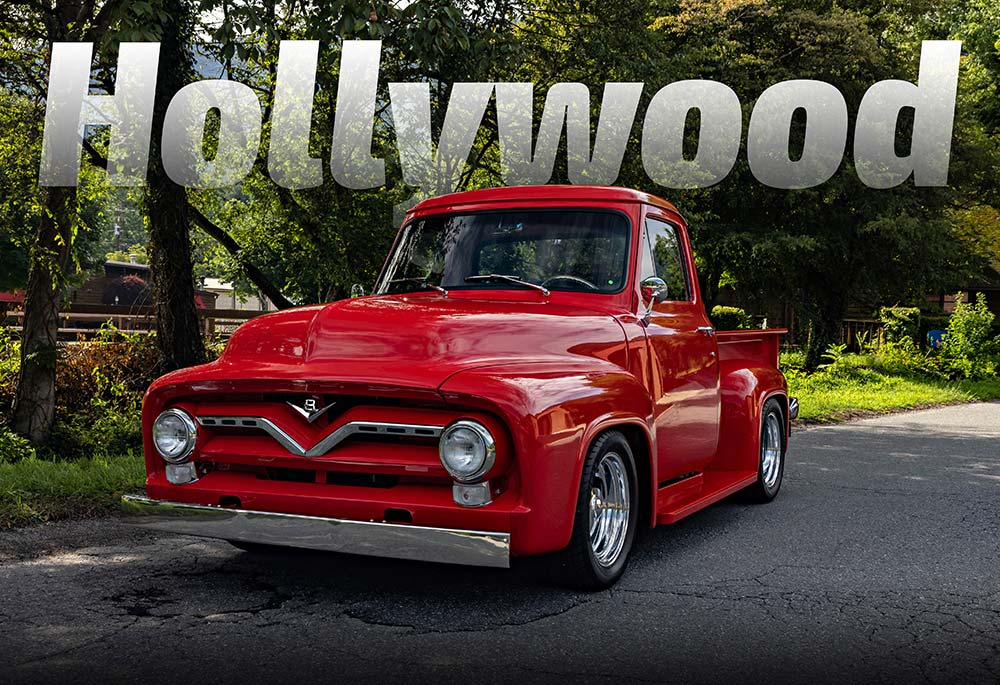
Scott Young Was California Dreamin’ There’s a huge sense of pride and accomplishment that comes with building a custom truck from scratch. After all, you’re… Continue reading
Mike Self . March 06, 2023
Department
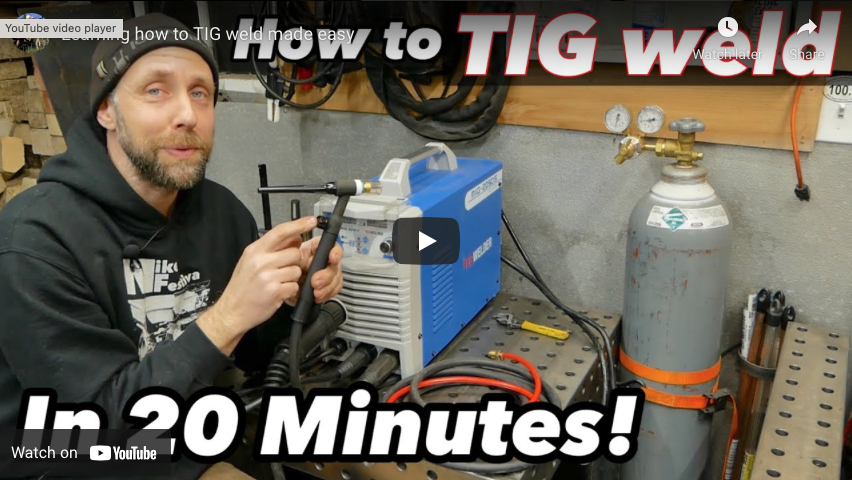
How to TIG weld for beginners, made simple. In this video I cover the process of TIG welding and tools recommend to learn the welding… Continue reading
Adam Johnson . June 26, 2022

c10
AccuAir Suspension, maker of next generation air suspension control products, has launched product sales after being acquired by Arnott LLC late last year. E-commerce sales… Continue reading
Chris Hamilton . August 09, 2021
Department
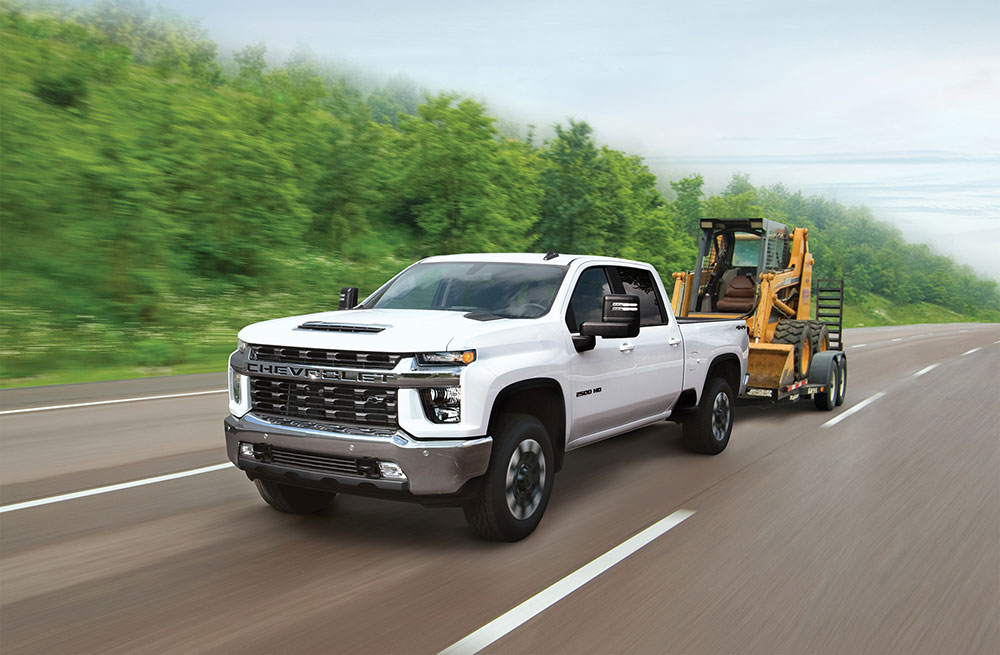
LoadLifter 7500 XL Ultimate Bags The LoadLifter 7500 XL Ultimate offers support for the heaviest tows with an internal jounce bumper, absorbing shock for the… Continue reading
Chris Hamilton . February 10, 2023
Department
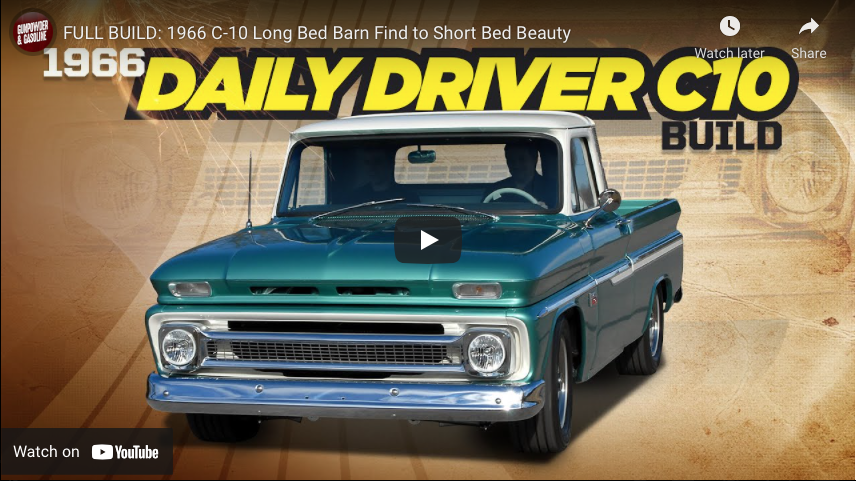
Take a step-by-step walk through the right way to perform a total frame off restoration of this iconic American pickup. Trucks! takes a 1966 Chevy… Continue reading
Adam Johnson . January 14, 2022
Department
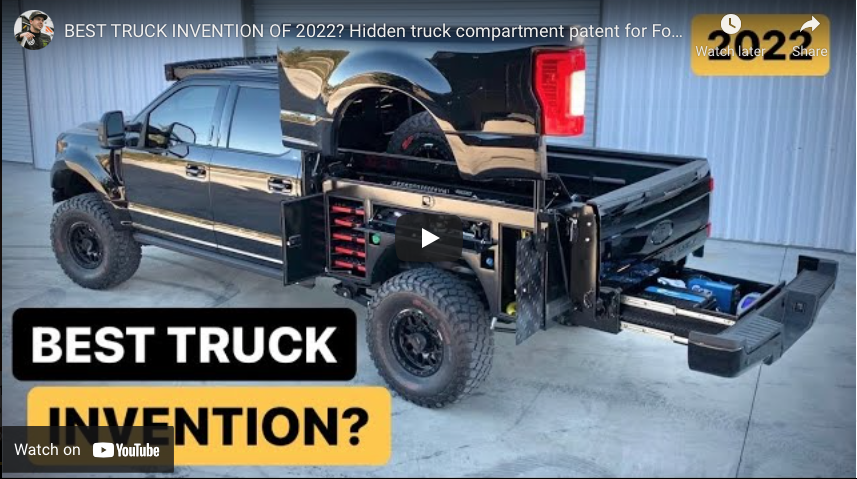
Our 2022 truck invention will be compatible for Ford, Dodge, Chevrolet, Toyota, GMC along with other brands and models. Do you guys think this could… Continue reading
Adam Johnson . May 05, 2022





Share Link