








 ST-STAFF
.
January 12, 2026
.
Industry News
.
ST-STAFF
.
January 12, 2026
.
Industry News
.
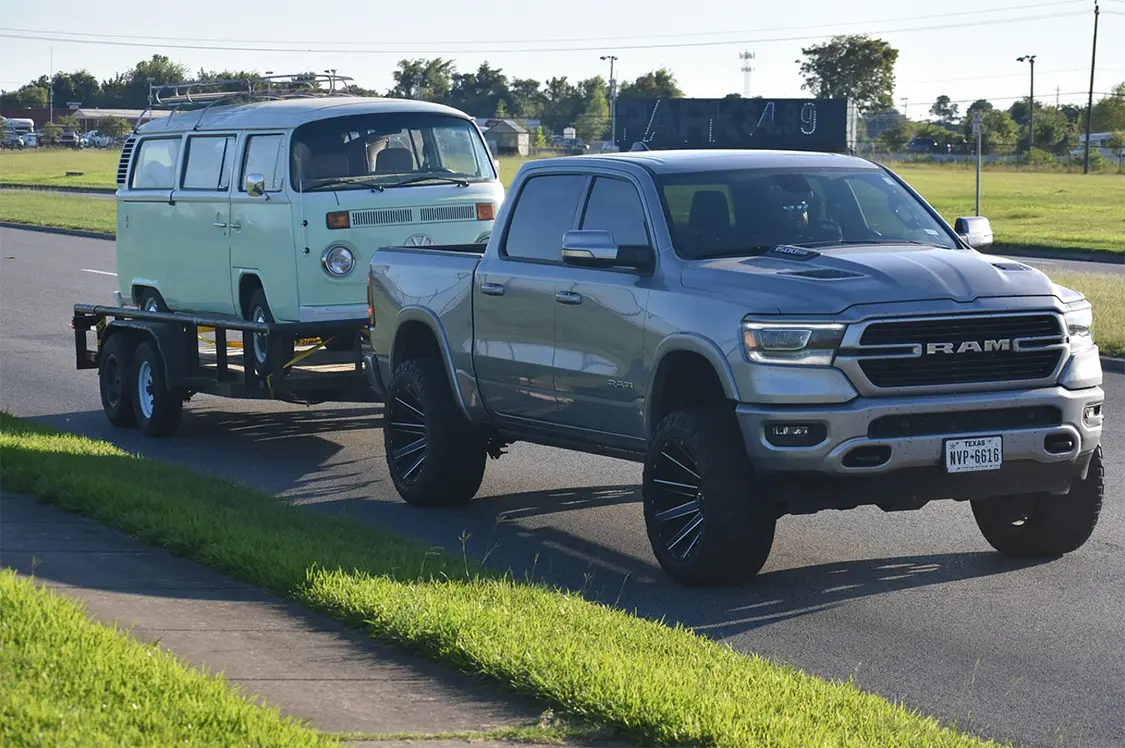
Image by ArtisticOperations on Pixabay
Towing off-road is a very different experience from pulling a trailer down a smooth highway. Uneven trails, loose gravel, steep inclines, and sudden dips all place extra strain on your truck. When weight is added to the mix, small suspension weaknesses can quickly turn into big handling and safety issues.
That’s why understanding how your suspension works before heading off the beaten path matters more than many truck owners realize. A setup that is designed for performance and convenience has less to do with showing off, but more about maintaining stability and predictability for the vehicle in rougher conditions, as well as comfort for the driver and passengers.
Off-road towing extracts a high demand for your suspension, forcing it to work harder and more often. It has to react constantly to the terrain changes, while working overtime to support the extra weight. Without the right setup, this can result in reduced traction, increased stopping distance and more sway.
Having an idea which parts of the vehicle are affected by the added stress will help you deal with the potential problems accordingly, before your trip.
There are important suspension components that receive the most stress when you’re towing off-road. Understanding these components and their role within your suspension system makes it easier for you to identify potential issues.
In order to improve the handling of your truck when towing on uneven terrain, making adequate adjustments is needed. These modifications are meant for maintaining balance and control.
Maintaining the ride height and leveling will ensure even distribution throughout the front and rear axles. Additionally, tire pressure and alignment play a supporting role in maintaining ride height and leveling. If the tire pressure is uneven, it can cause more stress to the suspension system, resulting in traction loss. If you’re not sure what kind of setup your vehicle needs, it helps to explore your options before going out.
Truck owners and drivers make mistakes, no matter how experienced they are. These mistakes can affect suspension performance. Identifying them can help you save time and money.
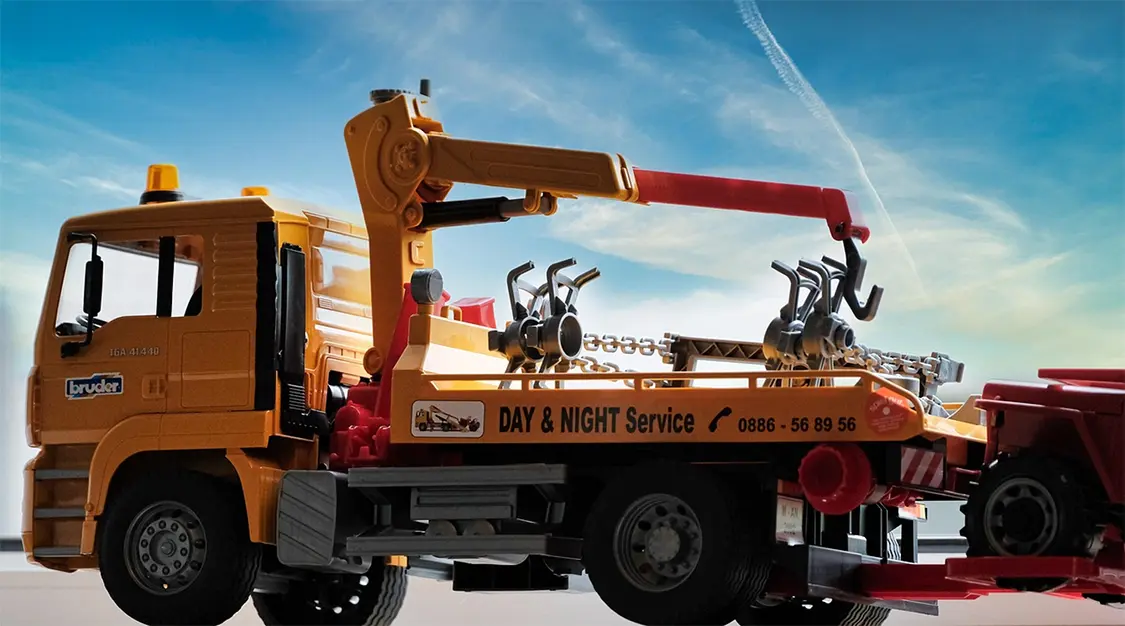
Image by photoscene on Pixabay
Good driving and towing practices are just as important as the hardware. Off-road towing requires patience and awareness.
Maintaining a reasonable and steady speed, especially when you’re driving under heavy loads, can do wonders to your suspension system, with reduced strain and improved control on rough terrain. Stopping periodically to inspect the vehicle’s suspension response, hitch points, and tire condition can also help with identifying potential issues early. Additionally, listening for new noises or sudden changes in handling will give you the opportunity to catch problems.
Driving a tow truck on rough terrain should not be intimidating or uncomfortable. When the suspension system is well supported and maintained, you should feel more comfortable and confident driving your truck regardless of the terrain.
With a better understanding of your suspension system, figuring out how it works, and making the right changes, your next trip should be easier, more predictable, and enjoyable.

America
The Leaders in Aftermarket A/C Systems Since 1976 We’ve been running these stories on and off for a little over a year now and the… Continue reading
Chris Hamilton . June 02, 2020
COOL GEAR
Our vendor spotlight is on ” Asphalt Army “. One of the premier clothing companies at shows and online. Check out our interview with Tony… Continue reading
Adam Johnson . May 10, 2022
Industry News
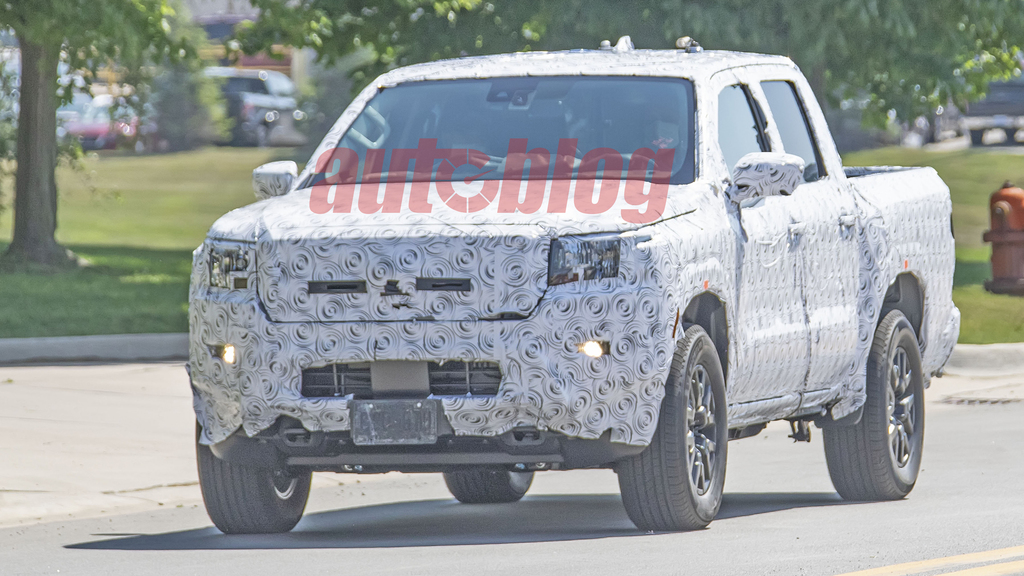
The long-awaited next-generation pickup is publicly taking shape The 2021 Nissan Frontier has been spotted on the road this week, wearing thin, form-fitting camouflage that flatters a… Continue reading
Logan Wade . August 04, 2020
Department
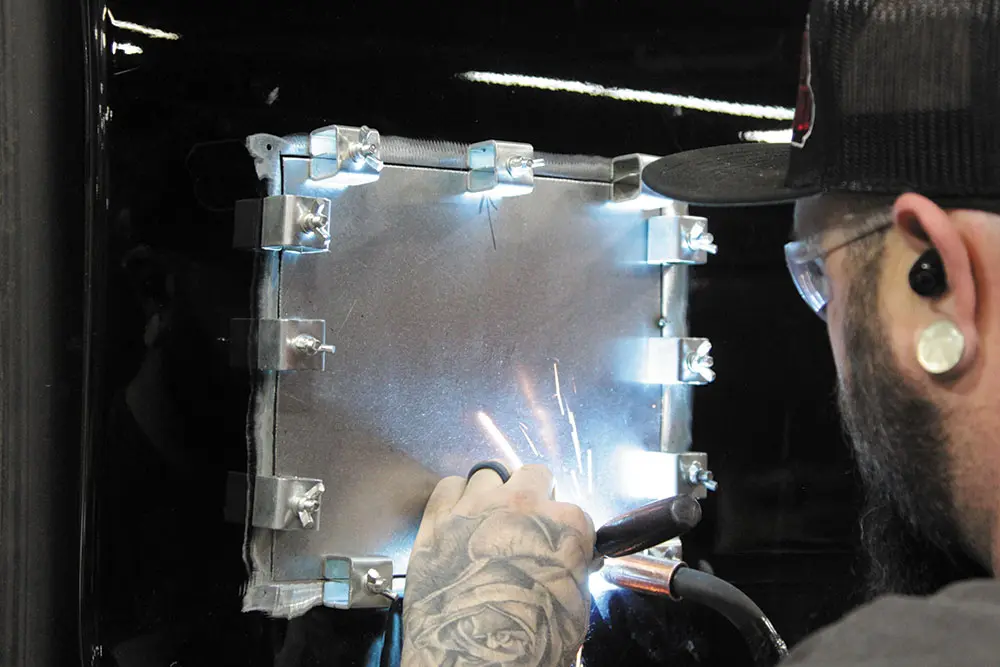
Have you ever wondered what it takes to get rid of unused body panels on a truck? With most ‘bagged or body-dropped trucks, moving the… Continue reading
Brandon Burrell . June 05, 2023
c10
Features: Problem Child – Tyler Moss’ Hell Raising ’84 C10 Chebby – Chopped, Smoothed and Full-blown Customized Greyscale – Triumph From Tragedy Blazin’ – A… Continue reading
Chris Hamilton . November 22, 2021
Department
All Mark Leonard wanted out of his latest truck build was to be able to fit his family in one vehicle (including their dog Duke)… Continue reading
John Mata Jr. . January 31, 2023




Share Link