








 STREET TRUCKS STAFF
.
January 28, 2026
.
Industry News
.
STREET TRUCKS STAFF
.
January 28, 2026
.
Industry News
.
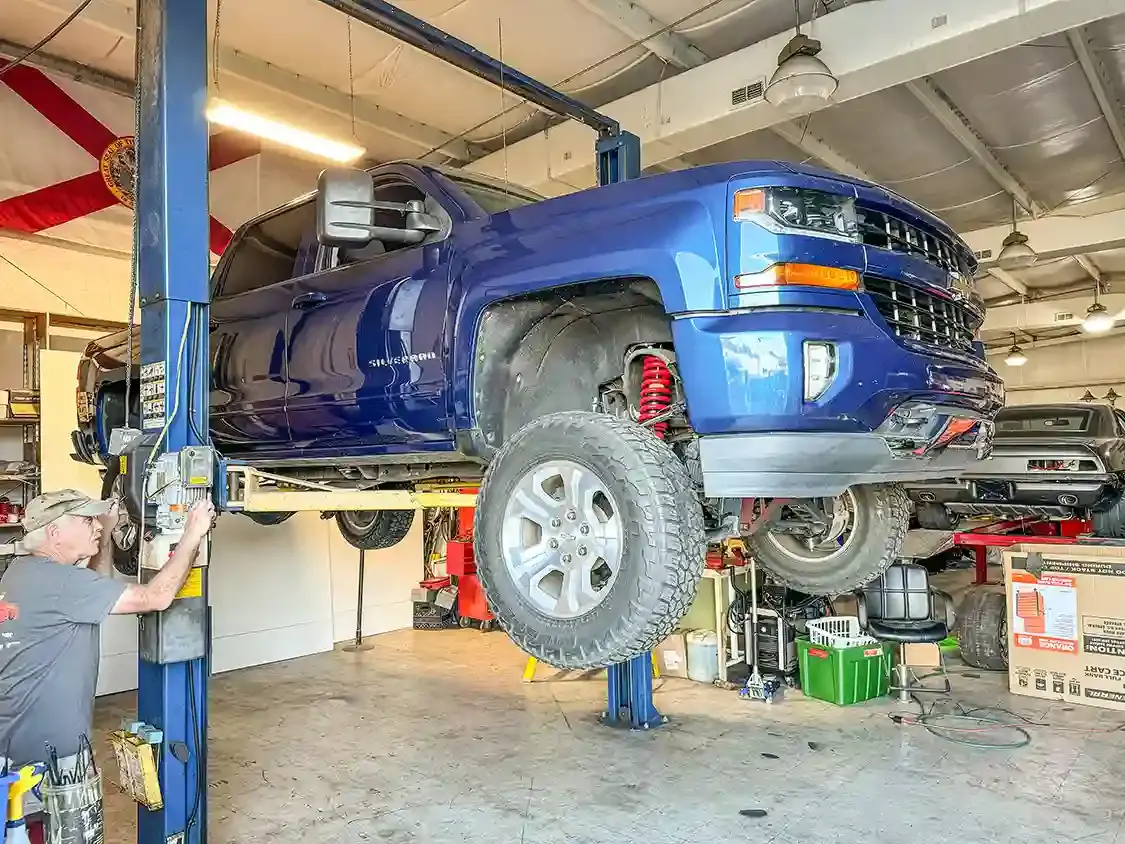
Heavy-duty truck repairs used to begin with a wrench and end with a test drive. Today, the first step is often a scan—because the truck is essentially a rolling computer network. Faults can sit across ECUs, sensors, emissions modules, and aftertreatment logic, and the fastest way to understand what’s happening is through reliable diagnostics that speak the vehicle’s language.
That’s where complete OEM diagnostic laptop systems are changing the rhythm of the job. The main benefit is not “more features.” It’s fewer interruptions between problems and solutions.

In a busy shop or fleet yard, time is the most expensive resource. Traditional diagnostic workflows can steal it in small chunks:
Each of these issues feels minor until they stack up. Then diagnostics becomes a separate job: IT support. A complete diagnostic laptop flips the model—technicians get a prepared environment that’s meant to be used, moved, and relied on every day.
Mixed fleets are common: different manufacturers, different model years, different emissions strategies. When each one requires its own tool chain, the technician’s day turns into tool switching:
Complete diagnostic laptop setups reduce that mental load. When the environment is organized for multi-brand work, a technician spends less energy navigating the tool and more energy interpreting what the truck is telling them.
A lot of repeat visits happen because a repair was based on incomplete data. A generic scan tool might show a code, but it can miss the deeper layer—guided tests, module-specific parameters, calibration routines, or brand-level resets that must happen after parts replacement.
A prepared diagnostic laptop helps technicians verify the repair properly:
That’s how diagnostics supports quality control, not just troubleshooting.
Mobile service is growing: fleets want fixes where the trucks are parked, and roadside jobs demand speed. A portable diagnostic environment is a practical advantage when there’s no time for improvisation.
Rather than counting on dealer appointments or awaiting arrival of the right specialist and the proper tool, it’s better to use the capability on the truck. This, of course, can be particularly helpful in terms of maximizing up time, particularly when the problem can be fixed, thereby avoiding breakdowns.
Modern emissions systems—DPF, EGR, SCR—can be demanding. A simple code read rarely tells the full story. Proper diagnosis often depends on stable access to OEM functions, live data, and controlled routines.
Complete laptop solutions are designed for the kind of work emissions systems require:
When that access is dependable, emissions service becomes more structured and less “trial and error.”
If you want a prepared option built around heavy-duty diagnostics and workshop stability, this collection is a good reference point: OEM truck diagnostic laptops.
As a shop grows, diagnostic results can vary between technicians because everyone uses different tools and habits. Complete OEM diagnostic laptops streamline the process. You get the same setup, the same menus, and a clearer path for beginning checks, what data to look at first, and how to confirm the fix.
These tools also simplify onboarding for new hires, particularly those with solid mechanical skills but less experience with software. Plus, many OEM tools offer better documentation. Fault history, live data, and service actions can be saved and shared, assisting fleets in tracking persistent issues and making data-driven decisions. In short, a consistent diagnostic environment cuts down on confusion and makes daily operations more predictable.
The shift toward OEM diagnostic laptops is really a shift toward predictable workdays. A complete system enables technicians to avoid the kinds of downtime that result from “friction” in setting up an application, minimizes the “cross-flashing” that comes with working with differing tool brands, and aids in the effective “verification” that technicians must accomplish following repairs. As trucks get increasingly electronic and the demands on the vehicles’ systems get higher, the shops and the trucks that make this a daily production activity, as opposed to an accessory activity, are the ones that stay ahead.

Department
Josh installed a Vintage Air SureFit kit on his ’67 C10. This kit comes with everything. you need to install an AC system in your… Continue reading
Adam Johnson . May 11, 2022
Department
Like what we’re wearing? Grab yourself some merch! Salvage to Savage Gear: www.salvagetosavage.com/shop/ Want to see some more cool builds, daily posts & giveaways? Subscribe… Continue reading
Adam Johnson . April 07, 2022
c10
’68 Chevrolet K5 Blazer CHARLIE Brown When opportunity knocks, you can’t ignore it. Two years ago, Alex Martinez had the opportunity of a lifetime, to… Continue reading
Wendy Wilson . January 16, 2021

Department
Painting and Matching Candy paint can be difficult. If you want to know what goes into the process or you want to give Candies a… Continue reading
Adam Johnson . June 02, 2022
Cover
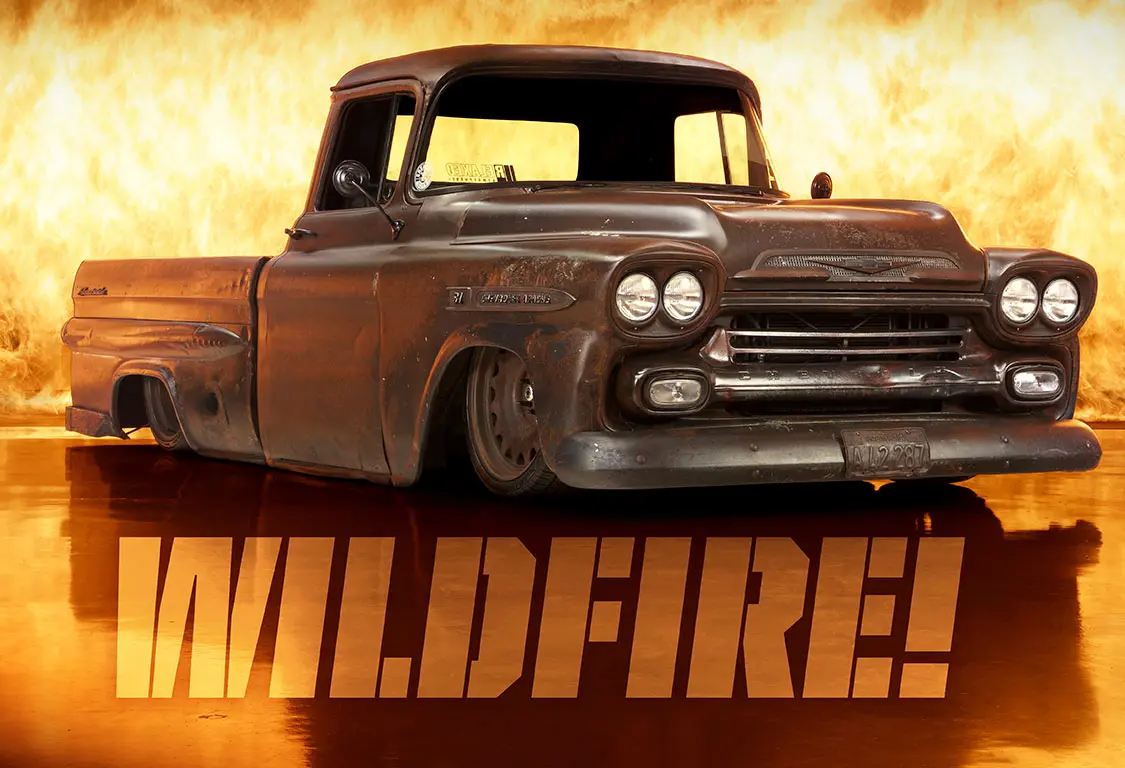
If you watched any bit of live television and/or online coverage of northern California’s Camp Fire in 2018, chances are you might have witnessed this… Continue reading
John Mata Jr. . January 26, 2024
Department
Auctioned ’22 Tundras Raise Over $1.2M for Toyota U.S. Paralympic Fund Toyota auctioned two of the first i-FORCE MAX Tundras at Barrett-Jackson in Scottsdale, Arizona,… Continue reading
Mike Self . August 30, 2022






Share Link