








 ERIC SALIBA
.
February 10, 2026
.
Department
.
ERIC SALIBA
.
February 10, 2026
.
Department
.
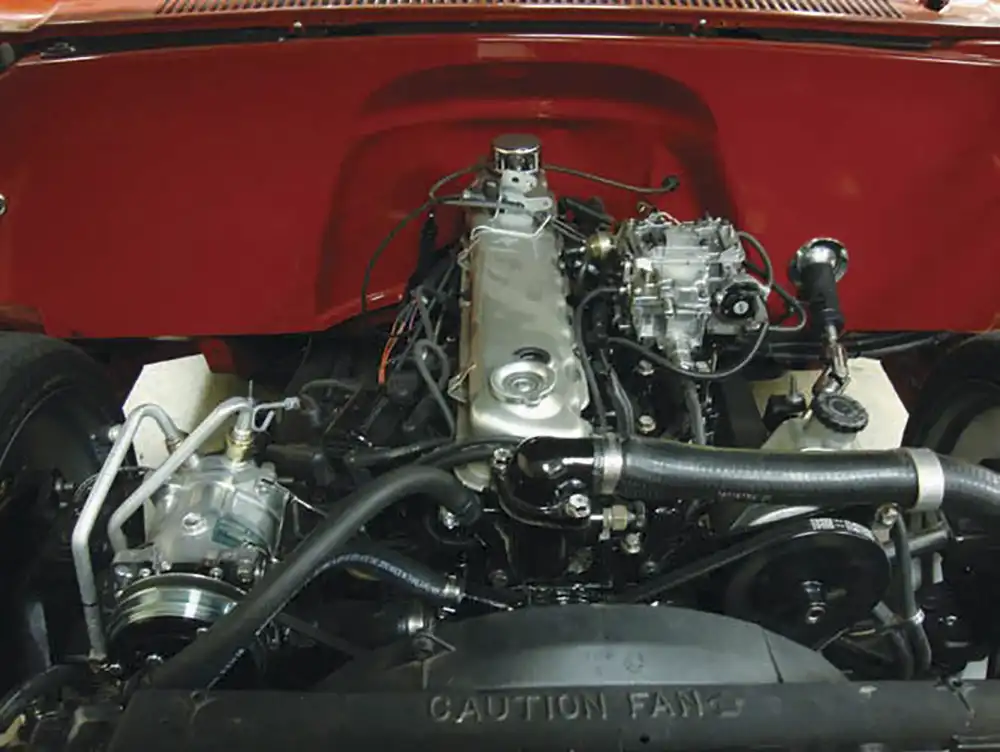
Fabrication is the cornerstone of the custom truck world. “Fabricate This” brings the minds of fabricators onto the pages of your favorite magazine. Read along and try to keep up. Our goal is to publish as many pertinent questions and answers as possible. If you have a question, send it in and we will do our best to answer it.
Hey fab dudes, I have a question that has me stumped. I bought an F-350 dually that’s been ‘bagged on 24-inch semi wheels. The shop that did the work deleted all of the factory A/C and heat. I have an aftermarket Vintage Air unit, but I’m very unsure how to install it in the truck. Is there any way to make this work and not be super janky? Come on rad dudes, it’s hot here in the South.

Sincerely,
Hot and bothered Hank Swanson
Excellent question Mr. Swampass…errr, Swanson. If you ask me (and you did) there are just too many ‘bagged trucks that lack proper creature comforts. It used to seem so hardcore to body drop your truck and throw away everything except the stuff that makes it run. But then you’re stuck in the truck in the middle of summer, wearing a gray shirt with big sweat rings under your pits, and right when that cute girl working at Sonic leans over to give you your change, she makes the “eww” face. Then you suddenly realize being a hard ass might not be quite as cool as you thought. But don’t cry, Hank, she wasn’t your type anyway.
So, you went off and bought an aftermarket AC/heat unit, but now you’re wondering how to get that little box to blow ice cubes from the vents. I’m assuming you already established that the stock unit under the dash couldn’t be modified to work with the wheel tubs. This means you’ll be making some ductwork connections and finding a good place to mount the new controls. As for the rest, pull out a piece of paper, Hank my boy, and let’s write some stuff down. These are things you’ll need to make provisions for, with stock or aftermarket parts adapted to work in the system. It ain’t rocket science. You can do it man!
It’s a pump and it’s the heart of an A/C system. If your engine is stock, chances are you’ll already have an A/C compressor in place. If there isn’t room in the stock location, then mounts can be fabricated to relocate a stock or aftermarket unit, like the Sanden 508, to another area in the engine. If you do this, try to have at least a third of the belt wrap around the pulley, and remember that bigger is not better with compressors. In most cabins, a compressor making 8 9 cfm is enough to cool sufficiently, but going too big can over pressurize the system and lead to decreased cooling. You’ll need to make sure fittings are available or can be made by an automotive A/C company to fit your particular unit.
This usually sits in front of the radiator and is one of the most important parts of an A/C system. You’ll typically want to get the biggest unit you can cram in there, but be careful to leave a gap to the radiator so as not to soak up heat and lose efficiency. If your stock condenser is already there, then you’re a step ahead of the game.
This is a canister device that filters debris from the system and also ensures that refrigerant is fully condensed into liquid form before entering the evaporator unit in the cab. It’s usually attached to the condenser on universal fit aftermarket units but can be added into the system if it isn’t. Except for the rebuildable types, the desiccant filter inside is a one time use item and will have done its job within a few weeks of running the system. Make sure to keep the rubber caps on the drier until the system is sealed up for the last time so it doesn’t absorb atmospheric moisture and lose efficiency.
Once you have all of the big items in place, including the unit under the dash, it’s time to figure out how you’ll hook everything up. Be prepared to spend some time looking up the proper fittings. This can be done online or at a local parts store that sells A/C fittings and crimps A/C barrier hose. Don’t forget to leave provisions for the high side and low side service ports, and a pressure switch to prevent the compressor from running in a situation with pressure that’s too low or too high. Four way bulkhead fittings come in handy for the two A/C lines and two heater hoses to pass through the firewall without having to drill holes and use grommets.
There are tons of great resources on the web for figuring out the best way to put together a system. You can start with the likes of Vintage Air, Nostalgic Air Parts and Old Air Products, and check out what guys are doing on the hot rod forums. So, before it’s summertime when you’re hotter than a Florida fox in a forest fire, get your act together and make that Effie blow ice. Who knows, maybe the sweetie at Sonic will give you another chance.
THANKS FOR READING, SEE YOU NEXT MONTH.
To submit a question for the “Fabricate This” column for either Bob Grant or Eric Saliba, please email Fabthis@streettrucksmag.com, or contact them directly via Grantkustoms.com for Bob, or Friendlychopshop.com for Eric. Stay tuned next month and keep the sparks flying!


Department
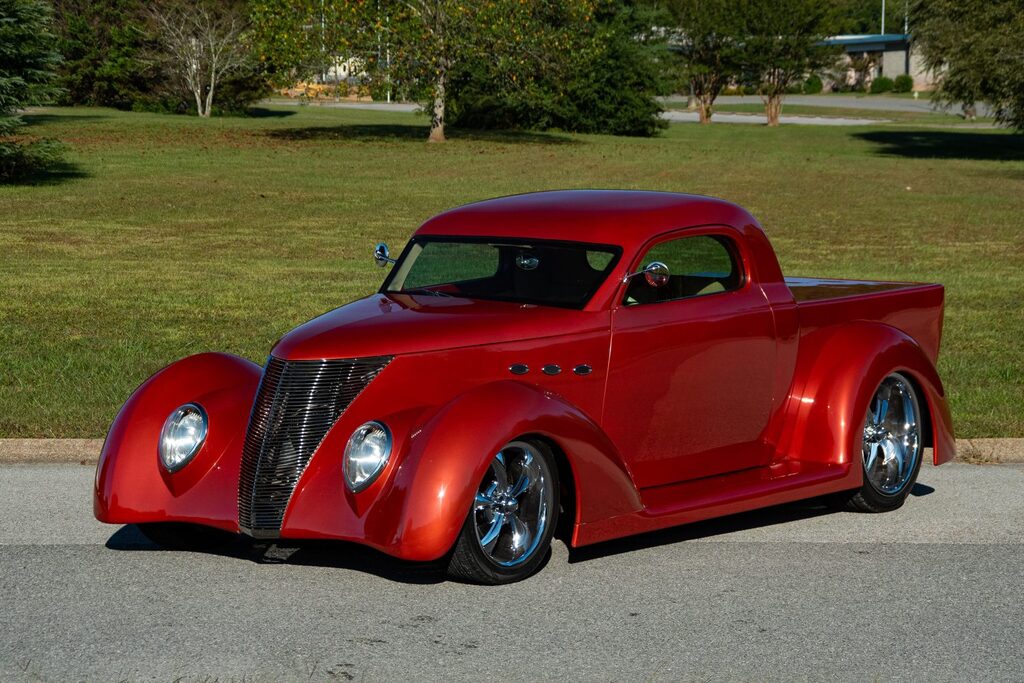
Mike Batty’s Alternative to the Chevy OBS Pickup While the popularity of OBS pickups continues to spike these days, some builders out there are looking… Continue reading
John Mata Jr. . February 10, 2023
America
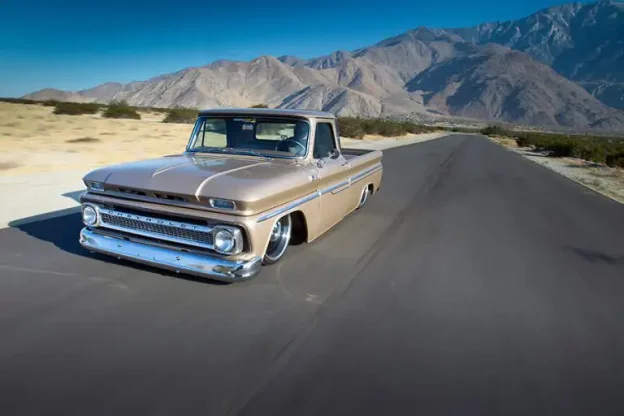
At the age of 14, Hershel Newman purchased his first Car for $50. Hard to believe he still has this 1950 Ford Today. Some might… Continue reading
Adam Johnson . October 19, 2021
Department
By SEMA Washington, D.C., Staff California Governor Gavin Newsom signed into law SEMA-supported legislation (SB 112) that immediately restores “fix-it” tickets for cars suspected of… Continue reading
Chris Hamilton . October 04, 2019
F100 Builders Guide
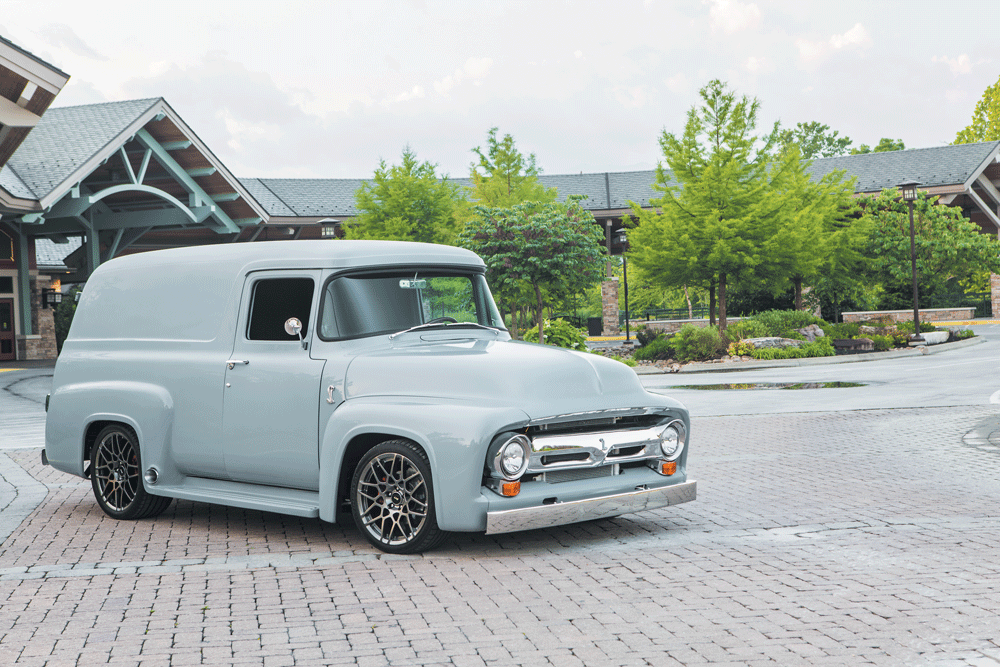
You ever go by another person’s ride or project and think of the things you would do differently if you owned it? Of course you… Continue reading
HUMBERTO ORTIZ . April 07, 2020

Features
What’s Old Is New Again Building a nice clean daily driver might sound like a fairly simple task, but we all know damn well that… Continue reading
Mike Alexander . March 25, 2026

Department
Well, the 2024 holiday season has passed and a new year is upon us. Very soon, the show season will kick off, and in no… Continue reading
Jason Odb Ballard . January 08, 2025





Share Link