







Gaining Horsepower with Banks Power Water-Meth Injection
Jason Mulligan . February 05, 2026 . Department. BANKS POWER AND JASON MULLIGAN
Share Link
Save ArticleLogin to save it
Gaining Horsepower and Peace of Mind with Banks Power Water-Meth Injection
There are a wide variety of products that can help make horsepower and torque; it all comes down to the same principles of more air, more fuel and more spark. Of that combination, introducing more air into the combustion chamber can be the most difficult to achieve, the others can be had with some tuning or a few parts, but increasing air flow can be successfully accomplished in many different ways from using a better air intake to a cam or piston swap. One of the most efficient methods is to increase the air by way of introducing a boost system, whether a turbo or a supercharger.
With trucks, having that instant power and torque on command has made superchargers the most popular choice. The supercharger acts as an air compressor that increases the pressure and density of the air coming through the intake, which makes it possible for more fuel to be burned and helps to make more efficient power. Modifying an engine’s timing can adjust the length of time that combustion can take place once a spark is fired by changing the relative angle to the piston and crankshaft. The more tim- ing, the longer combustion is allowed and the more power can be made thanks to the added air and fuel with the supercharger installation. Of course, this can lead down a dangerous path because the timing must be safely altered and not burn up fuel too quickly or engine detonation (engine knock) can occur.
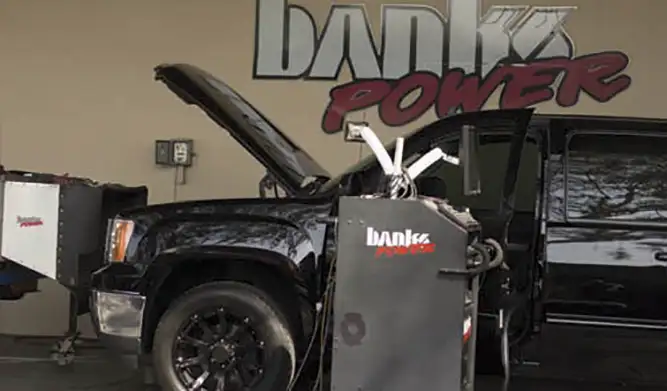
Enter a method to help keep things cool and increase the octane charge to counteract detonation and keep timing at the preset degree. Water injection has been around since before World War II when it was used on fighter planes to assist with quicker takeoffs. It’s also been noted to offer benefits on diesel applications and boosted gasoline engines as well.
Water-meth injection helps to cool down the combustion chambers when the mixture is injected into the air intake. The mixture of water and methanol alcohol is used because the water provides cooling capabilities and the alcohol pro- vides extra combustion as well as acting as an anti-freeze. The air is cooled and becomes denser, which allows for higher compression, and most importantly in our application, helps curb detonation. Some of the common causes of detonation when running a boosted application can include low octane fuel or bad fuel, not enough fuel and hot weather. To keep this from happening, the engine has knock sensors that will retard the timing to keep things safe but it does result in a loss of power. With the injection, the result is a higher octane charge similar to running race fuel, but it will come on only when necessary. It can also help to reduce emissions and improve fuel economy in addition to the power potential. Of course, you aren’t simply pouring water into the engine, which would be bad. The mixture atom- izes as it hits the air intake tube.
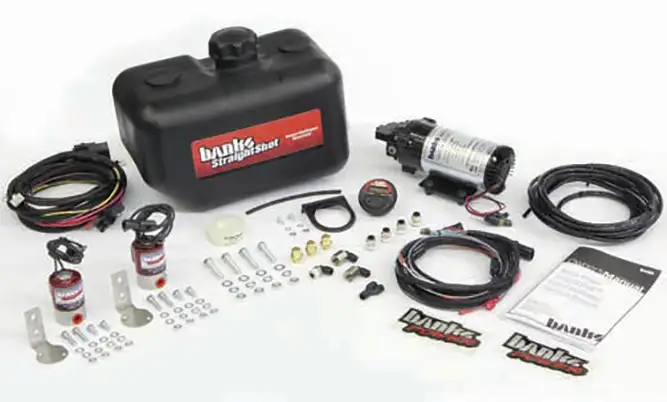
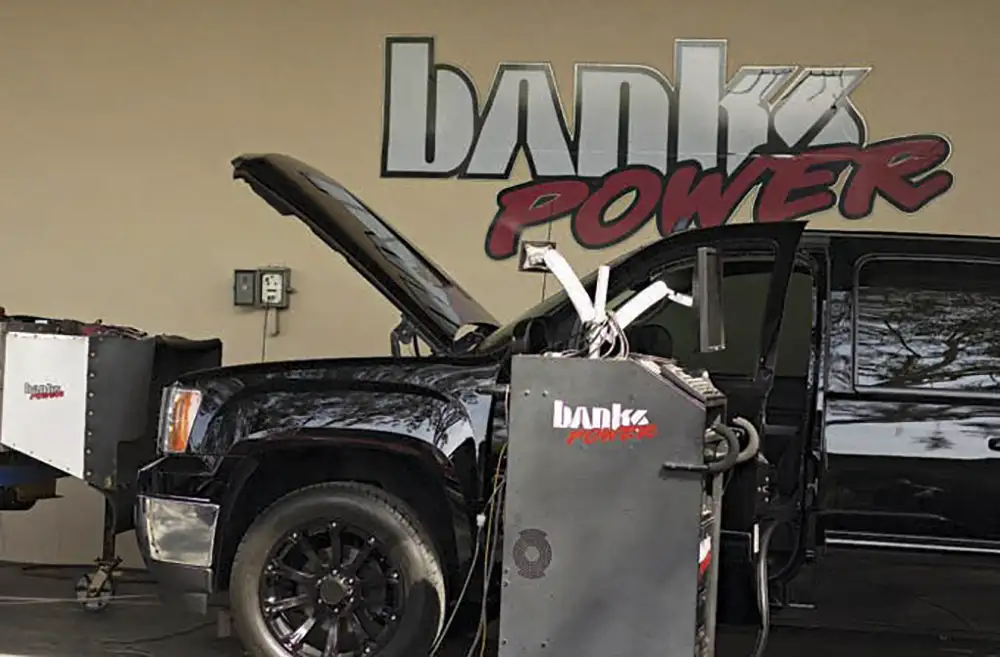
Banks Power is a name that’s been synony- mous with making power for more than 50 years. Recently, the company has developed the Banks Power StraightShot water-methanol injection kit that can be used on both diesels and boosted gasoline applications. The kit includes a universal 2 ½-gallon reservoir, pump and a pair of nozzles with solenoids. The system is controlled by a small programmer and moni- tor that fit nicely into a pillar gauge pod. There are two nozzles, the first is 2 gph (gallon per hour) and the second is a 5-gph nozzle, both are installed into the air intake tube behind the throt- tle body and MAF. The dual nozzles are staged so that the amount of water-meth being injected can be controlled using different-sized nozzles and varied duty cycles. After some dyno testing and tuning at Banks Power in Azusa, California, we got things dialed in, allowing us to safely add more than 40 horsepower and almost 40 ft-lbs of torque! The installation was topped off with a Banks iQ 2.0 in order to help monitor all of the temperatures, readings and setup alerts. The Banks Power StraightShot water-meth kit not only helps to make extra power, but it also safe- guards your engine from possible disaster.
Tocheckoutsomevideoactionofthetruckonthedyno at Banks Power, visit Bankspower.com/ss1. ST
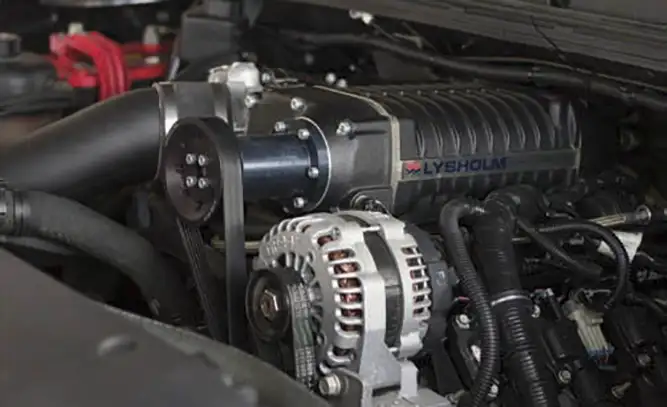
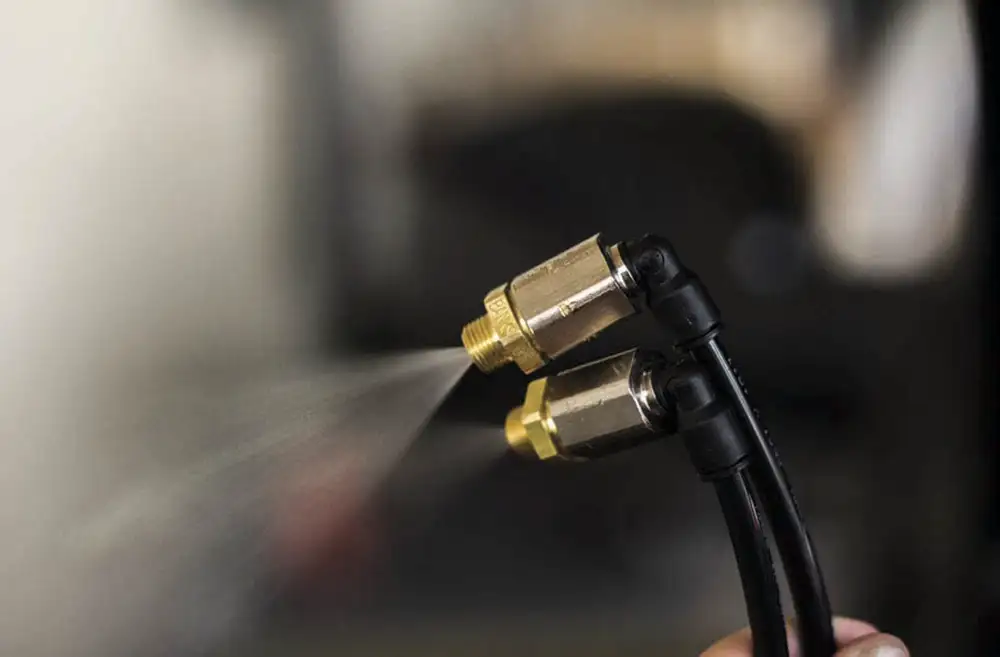
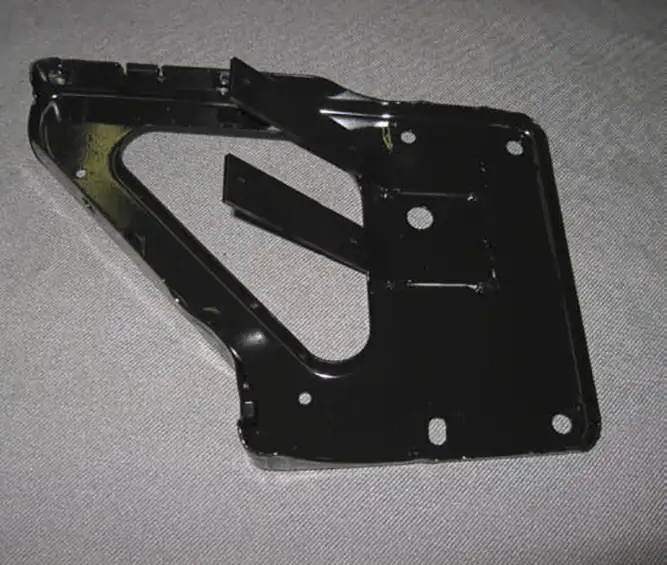
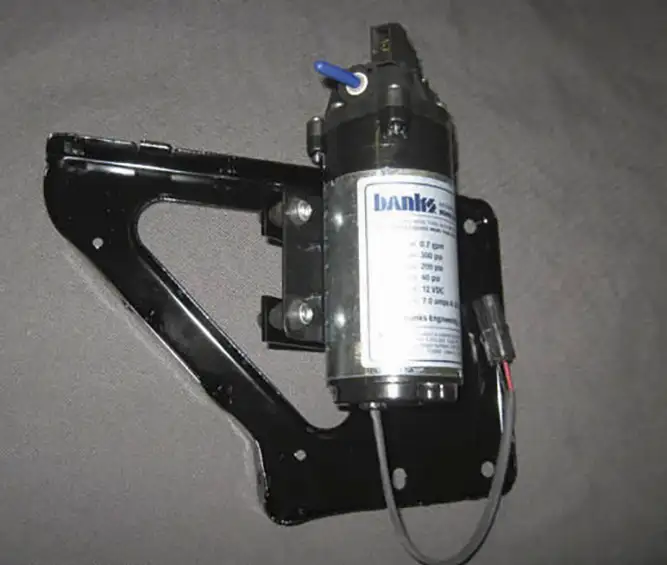
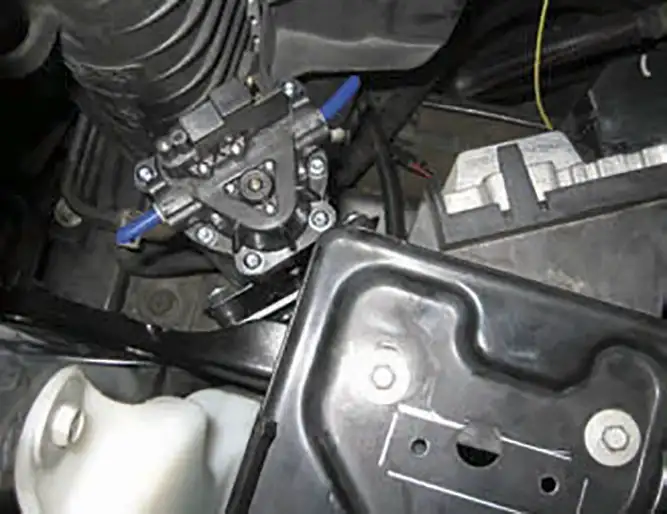
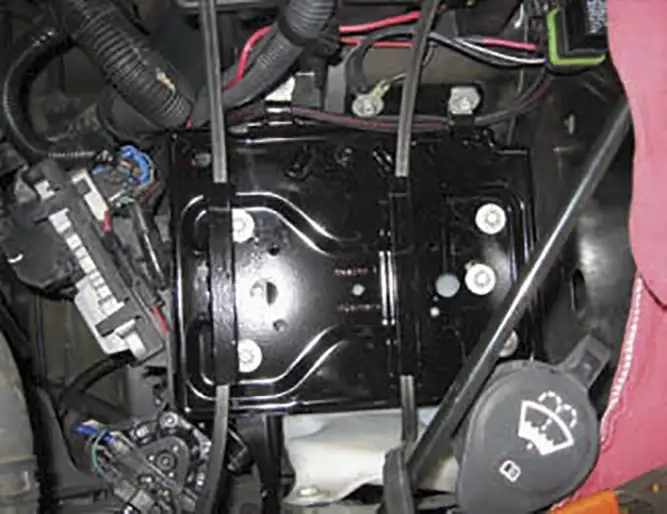
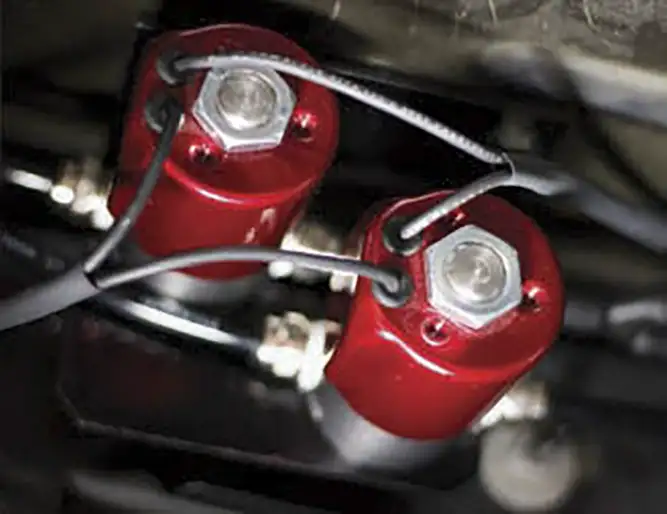
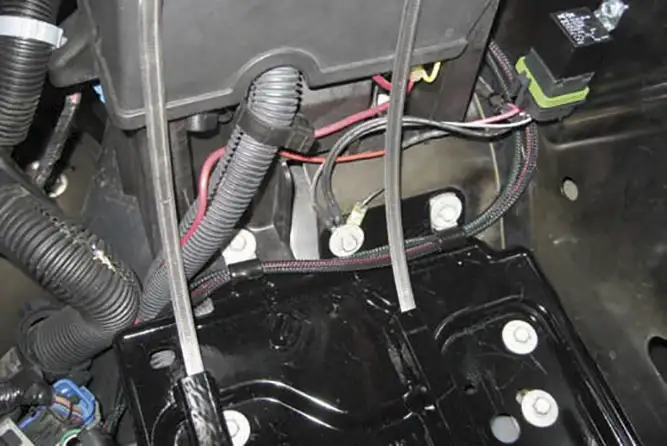
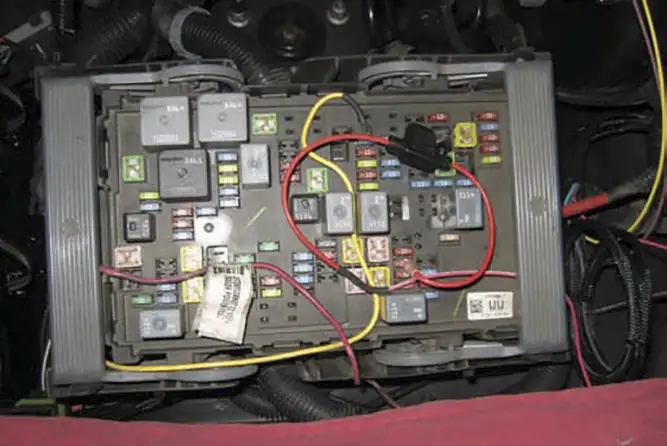
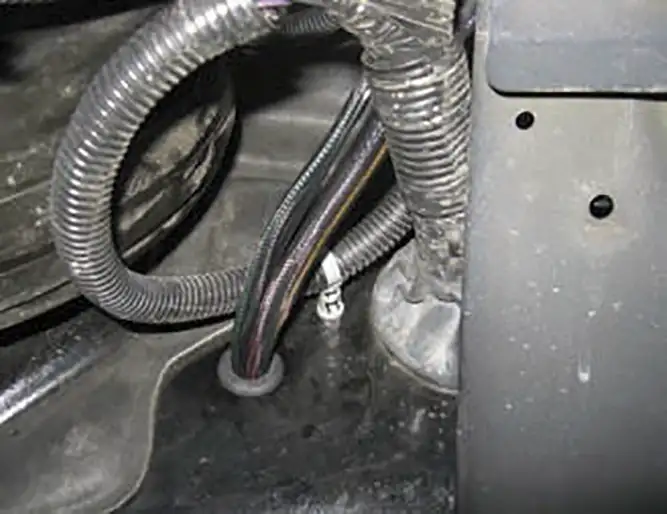
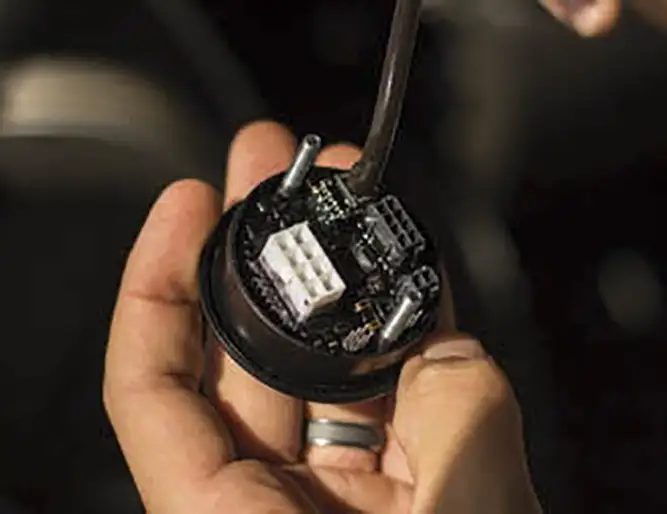
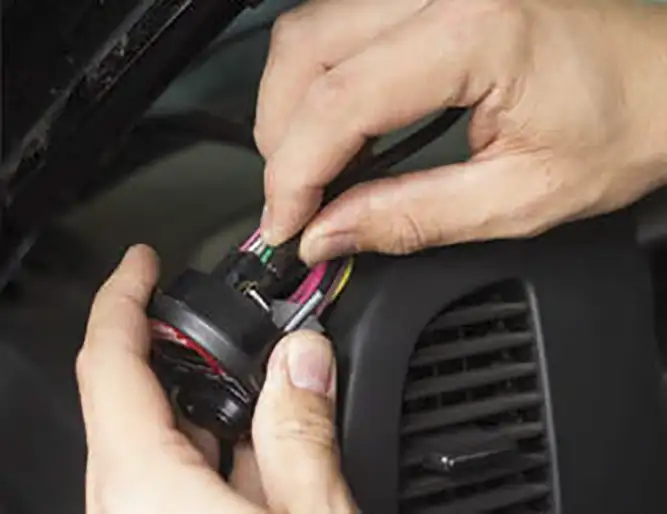
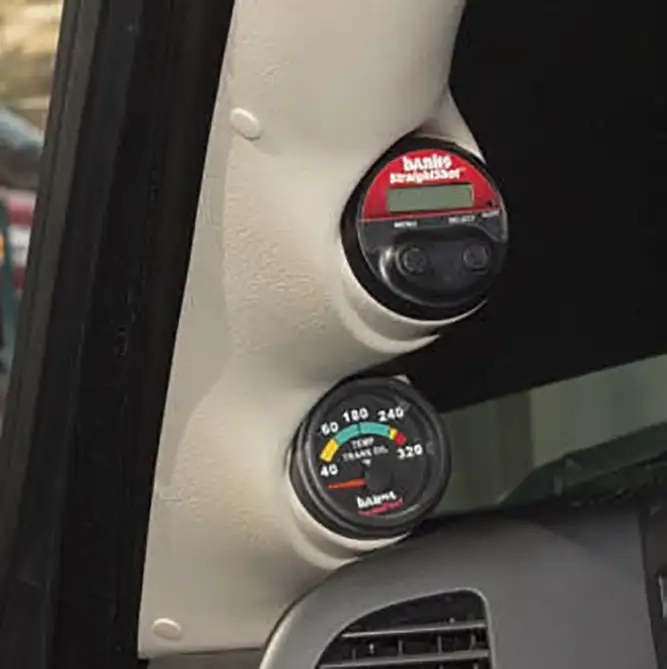
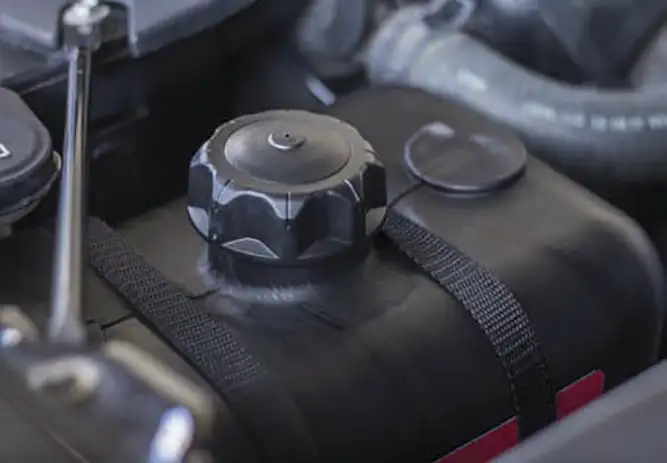
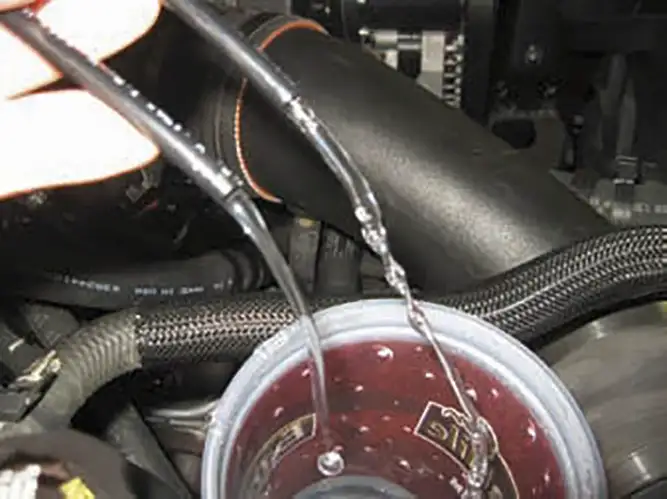
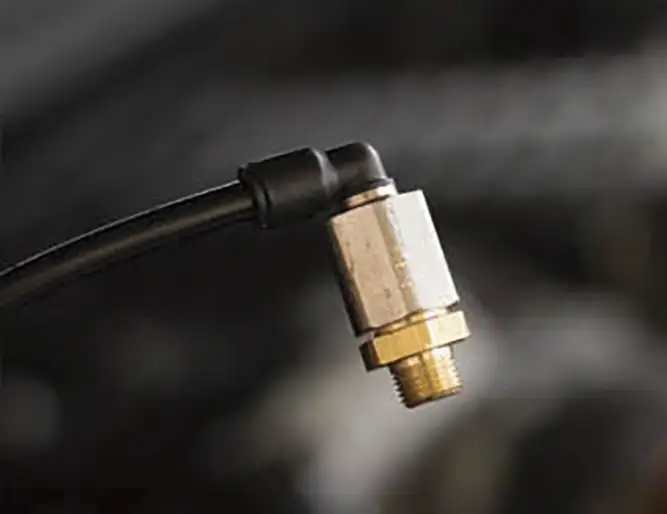
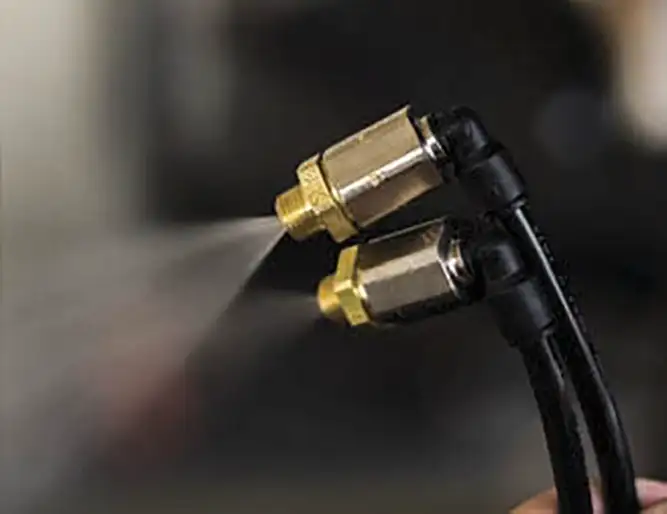
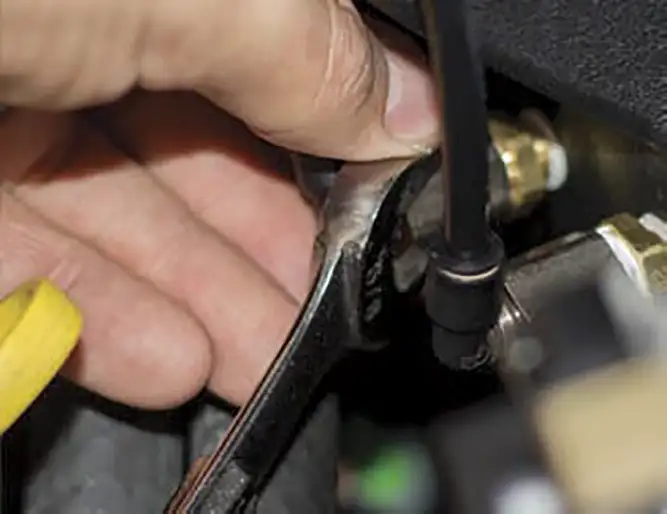
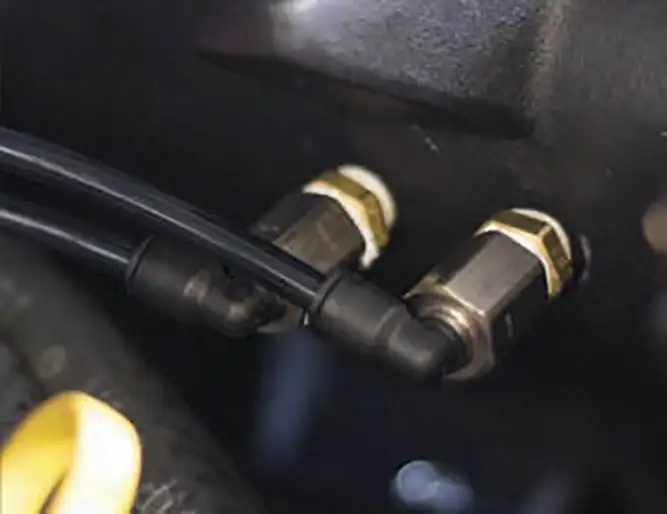
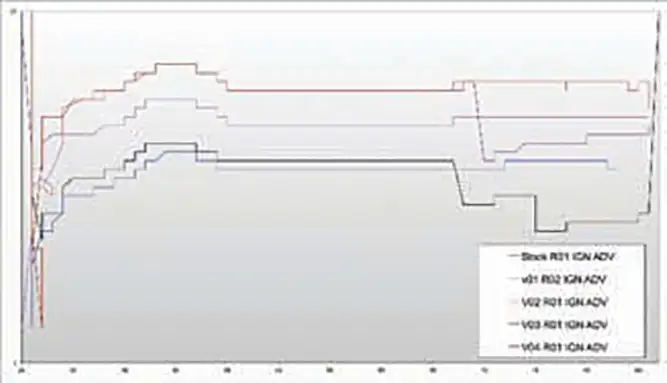
[01] Our starting point is an ‘08 GMC Sierra featuring a 5.3L engine outfitted with a Lysholm supercharger as well as a full Banks Power exhaust system including headers. It put out a respectable 334 hp to the rear wheels on the dyno at 5,800 rpm and 364 ft-lbs torque at 3,900 rpm.[02] Our supercharged 5.3L will soon be outfitted with a water-meth injection system from Banks Power, the StraightShot system allows total control over the delivery of the water- methanol mixture.[03] The pump and reservoir are mounted first. The factory ECU bracket that bolts to the inside of the fender is removed and modified in order to mount the Banks Power pump complete with rubber isolators to lessen vibration.[03a][04] The bracket with pump is installed back into the truck.[05] The secondary battery tray is the perfect location to mount the 2 ½-gallon reservoir tank. It is modified so that the reservoir can be held in place using a pair of straps.[06] A pair of solenoids that will control the nozzles is installed onto the passenger side inner fender for close proximity to the air intake tube.[07] It’s best to wire the system up at this point, the harness comes with a fused relay and provisions for a power connector and a tie into the ignition as well.[07a][08] The controller will be mounted in a pod pillar inside of the truck, and the wiring is run through a grommet hole in the firewall. It’s best to cover the wires with mesh or loom to prevent damage.[09] The wiring is run up the pillar and connected to the back of the controller that not only monitors the boost but controls the injection.[10] A line ties into the supercharger in order to read boost. You can set up the controller to vary the injection depending on the level of boost. This allows for a more efficient system that only kicks on as needed.[11] The pillar pod and controller have been set up and all of the wiring is connected.[12] With the wiring finished, the 2 ½-gallon reservoir is strapped in and connected to both the pump[13] Before the nozzles are installed it’s a good idea to test the system to make sure that the wiring and plumbing are correct and any debris has been flushed out. The controller is placed in test mode and water is run through the system.[13a][14] A pair of 2-gph nozzles is connected to the solenoids and the system is tested again.[15] Here you can see the atomization that will occur inside of the air intake.[16] Holes are drilled into the air intake tube in between the supercharger and the throttle body and MAF to avoid any false readings. Then the nozzles are tightened up.[17] The reason for having two nozzles is so that one can be set to come on at low boost with a low duty cycle and then shut off when the other hits at full duty cycle, with both coming on at full duty cycle at peak boost when needed.[18] With the system hooked-up and checked, it’s time to test it out on the dyno at Banks Power. The true potential of the system is that it safely allows a tuner to maximize the engine with the water-meth injection acting as a safety measure in addition to adding power of its own. HP tuners are used to modify the existing setup in order to change the timing.[19] A baseline run with no injection garnered 334 hp and 364 ft-lbs torque. The power was robbed at the top end when the engine hit knock and retarded the timing -4 degrees.[20] The controller shows the boost level and also allows the operator to control when the injection will take place depending on the boost level. With a 2- and 2-gph nozzle set, the engine never hit knock or pulled timing, which helped us gain 17 hp and 14 ft-lbs of torque on water-meth alone![20a][21] Here is where a tuning professional comes in handy. Two degrees of timing are added to the tune, which helped us gain an additional 10 hp and 5 ft-lbs torque without the engine hitting knock. These are safe power gains![22] We wanted to push things a little further by adding a total of 4 degrees of timing. However, the injection topped out and we hit knock again causing the engine to retard the timing to maintain safety. No power was gained as a result. This meant it was time to up the secondary nozzle to 5 gph and see what it would do. Here you can see the ignition timing during the various runs that show where it dropped off when there was no or not enough Banks Power StraightShot water-meth injection.[23] As you can see in the chart of all of the dyno runs, we gained a total of 42 hp and 40 ft-lbs torque. The larger 5-gph nozzle that was added for the final run ensured that the engine with +4 degrees of timing never hit knock and reached its maximum power potential safely.[24] So that we could better keep an eye on what was going on under the hood after installing the water-meth system we hooked up a Banks iQ 2.0. The monitor connects to the OBDII port to read and display everything we may need to keep an eye on. Multiple gauge and display readouts are available to showcase a wide variety of data. Some of those are important to our installation to help us monitor the air intake temperature and timing and to provide alerts should something occur. The Banks iQ 2.0 also includes many other features such as Bluetooth integration, music and video capabilities, data logging, a driving coach to help save fuel and even GPS navigation!
We use cookies to enhance your browsing experience, serve personalized ads or content, and analyze our traffic. By clicking "Accept All", you consent to our use of cookies. Visit our Cookie Policy for more info.
Share Link