










 STREET TRUCKS STAFF
.
October 22, 2026
.
Industry News
.

Image by Tobi on Pexels
A custom truck can be ready for hundreds of highway miles while the person behind the wheel is anything but. Fresh fluids, properly inflated tires, reliable brakes, and a full tank matter before heading to a truck show or weekend meet. Yet long-distance driving also demands physical comfort, clear vision, and enough concentration to handle changing road conditions.
For truck enthusiasts, preparing the driver deserves the same attention as preparing the vehicle. A few adjustments before departure can make the difference between enjoying the drive and spending the final hours counting down the miles.
A custom truck might look perfect sitting outside a show, but that doesn’t guarantee it will feel comfortable after several hours on the interstate. Lowered suspension, aftermarket seats, modified steering columns, and larger wheels can all influence the driving experience.
Before a long trip, spend some time adjusting the seating position. Your back should have proper support, your feet should reach the pedals comfortably, and your arms should remain slightly bent while holding the steering wheel. Reaching forward constantly or sitting too close to the dashboard can make an otherwise enjoyable drive unnecessarily tiring.
Custom interiors deserve particular attention. A seat chosen primarily for appearance may not provide the same support as one designed for extended highway use. If possible, take the truck on a longer test drive before committing to a multi-state journey.
The same principle applies to cabin conditions. Excessive road noise, vibration, and uncomfortable temperatures can become distracting over time. Check that the air conditioning works properly, the ventilation system delivers sufficient airflow, and frequently used controls remain easy to reach.
Even a well-designed seating position cannot eliminate the need for movement. Plan opportunities to get out, stretch, and change position rather than remaining behind the wheel for an entire afternoon.
A clean windshield, properly adjusted mirrors, and correctly aimed headlights are essential on a long highway drive. However, the driver’s eyesight matters just as much as the equipment installed on the truck.
Night driving can make visual limitations particularly noticeable. Oncoming headlights, poorly illuminated roads, and reflections from wet pavement can make it harder to distinguish objects and judge distances. These challenges become more significant when driving an unfamiliar route or navigating traffic around a crowded truck show.
Start with the basics. Make sure prescription glasses or contact lenses provide clear distance vision, and keep sunglasses suitable for driving within reach. Drivers who notice increasing glare, blurred road signs, or difficulty seeing after dark should arrange an eye examination rather than assuming the problem comes from the truck’s lighting.
The National Eye Institute also identifies eye strain and recurring headaches, including those associated with driving, as potential signs that an examination may be needed.
For some drivers, long-term vision correction may be another option. Those considering getting EVO ICL at Tylock Nasser Vision can discuss whether the implantable lens procedure is suitable for their individual prescription and eye anatomy. EVO ICL is designed to correct nearsightedness, including astigmatism in eligible patients, without removing corneal tissue. Like other surgical procedures, it requires an individualized assessment of benefits, risks, and recovery. It is not a substitute for good driving habits or a guarantee of improved nighttime visibility.
Regardless of how vision is corrected, the practical goal remains the same: being able to identify hazards, read signs, and monitor surrounding traffic without unnecessary visual difficulty.
Long stretches of open highway can create a false sense of relaxation. The truck is running smoothly, traffic is light, and the destination seems close enough to justify another hour behind the wheel.
But fatigue can affect concentration and the ability to respond to unexpected situations, even when a driver feels capable of continuing.
According to the National Highway Traffic Safety Administration, drowsy-driving crashes occur particularly often between midnight and 6 a.m. and during the late afternoon. These periods coincide with natural reductions in alertness.
That makes trip planning especially important for enthusiasts traveling overnight to reach an early-morning event. Working late on a build and immediately starting a six-hour drive may seem efficient, but it leaves little opportunity for adequate sleep.
A safer approach begins before departure. Get sufficient rest, avoid scheduling unnecessarily long driving stretches, and allow room in the itinerary for unexpected delays.
Recognize warning signs while driving. Frequent yawning, trouble remembering the last few miles, difficulty maintaining lane position, or repeatedly drifting toward the shoulder indicate that attention is deteriorating.
Turning up the stereo or opening a window is not a reliable solution to serious drowsiness. If sleepiness develops, stop somewhere safe. A short nap may help temporarily, but adequate sleep is the dependable way to address fatigue.
Passengers can share driving responsibilities when appropriately licensed and comfortable operating the vehicle. However, taking turns does not eliminate the need for proper rest.
Enthusiasts often develop detailed routines for checking their trucks. Tire pressure, wheel fasteners, fluid levels, lights, and suspension components all deserve attention. The preparation of the driver can follow a similarly straightforward process.
Consider the type of journey ahead. A two-hour afternoon drive to a local meet places different demands on the driver than an overnight interstate trip or a weeklong event tour.
Before leaving, make sure you have addressed a few essentials:
For custom trucks, route planning also involves vehicle-specific considerations. A lowered truck may require extra care around steep driveway entrances, while a vehicle towing a trailer needs appropriate parking and maneuvering space.
Street Trucks has documented the mechanical side of this preparation in its feature on getting a custom Chevy Squarebody ready for the Hot Rod Power Tour. The project illustrates how much attention a long-distance build can require before hitting the road.
Preparing the driver alongside the truck completes that process. Neither should be treated as an afterthought.
A memorable truck road trip is about more than reaching the destination. The drive itself is part of the experience, whether that means cruising with friends, discovering unfamiliar highways, or arriving at a show after several days on the road.
Mechanical reliability makes those journeys possible, but driver readiness helps make them safer and more enjoyable. Comfortable seating, dependable vision, sufficient rest, and realistic travel plans all deserve attention before departure.
The next time the truck is on the driveway awaiting its final pre-trip inspection, take a moment to evaluate the person who will be driving it. A well-prepared truck and an alert, comfortable driver make a far better combination than either one alone.



Editor
Chris Hamilton . May 06, 2019

Industry News
The Land Rover Defender has always been the British marque’s rugged utilitarian box. But what if you stripped it down further and swapped the engine… Continue reading
Chris Hamilton . July 07, 2019

Industry News
These are the most popular vehicles by state Best-Selling Vehicles By State While it’s always interesting to track which vehicles sell the best in any… Continue reading
Logan Wade . November 08, 2020
Department
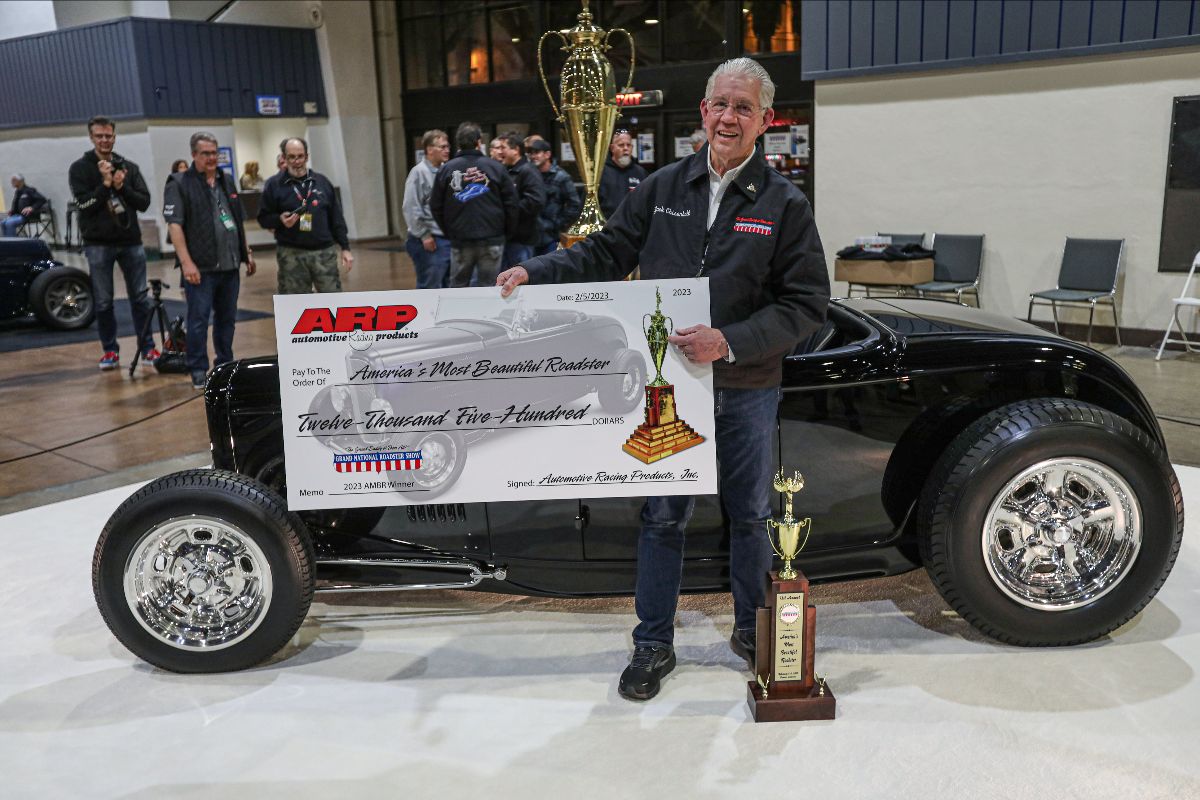
The O’Reilly Auto Parts Grand National Roadster Show recognized the top roadsters, hot rods and custom vehicles in the country during its awards ceremony, which took… Continue reading
Chris Hamilton . February 06, 2023
C10 Builders Guide
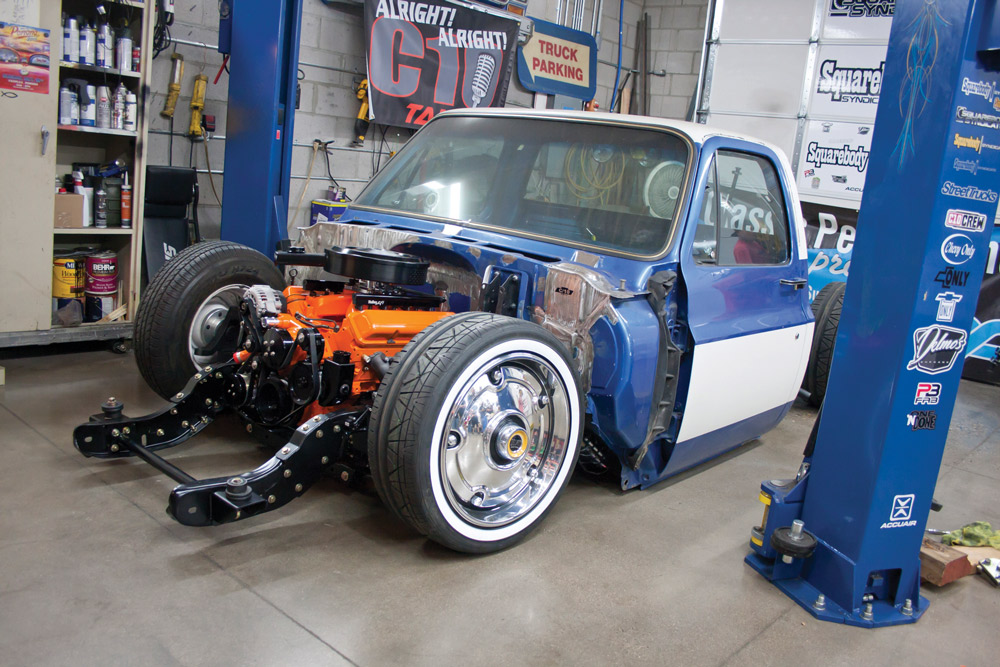
THE CREW HELPS WITH SQUAREBODY SYNDICATE’S LATEST C-10 The concept of the One ‘N’ Done events is fairly simple: put together a team of amazing… Continue reading
streettrucks . August 18, 2020

Industry News
Your pickup drives like a dream on open roads. But city streets aren’t highways. Lights change fast. Cars swerve in and out. Trucks, buses, and… Continue reading
STREET TRUCKS STAFF . December 08, 2025

We use cookies to enhance your browsing experience, serve personalized ads or content, and analyze our traffic. By clicking "Accept All", you consent to our use of cookies. Visit our Cookie Policy for more info.



Share Link