










 ST-STAFF
.
July 13, 2026
.
Industry News
.
ST-STAFF
.
July 13, 2026
.
Industry News
.
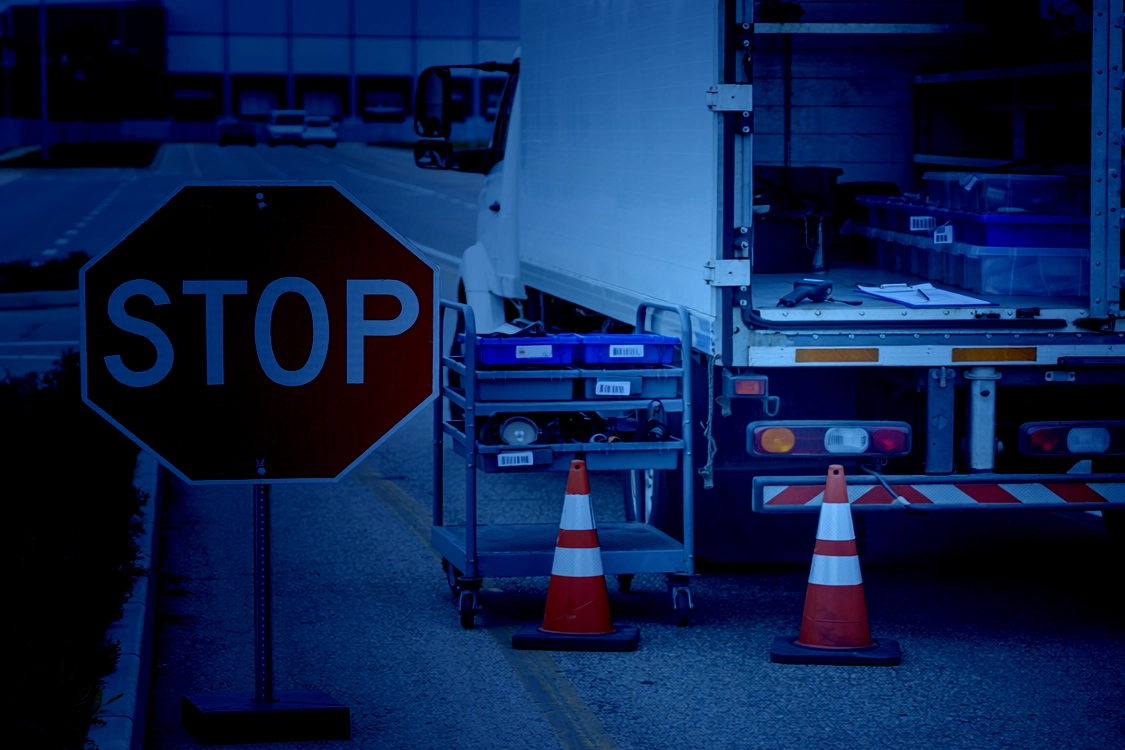
Managing a multi-vehicle fleet requires constant balance between keeping vehicles on the road and controlling costs. When one commercial vehicle breaks down, it disrupts the entire supply chain. This leads to missed delivery deadlines, idle drivers, and unplanned repair costs.
To reduce downtime, fleet managers must always have high-quality truck replacement parts available and track them effectively. However, when parts procurement, maintenance scheduling, and inventory systems operate separately, overall efficiency declines quickly.
The root cause of most multi-fleet breakdowns isn’t mechanical – it’s informational. MarketsandMarkets found that siloed platforms handling truck parts, maintenance, and vehicle data separately leave 58% of fleet managers stuck reacting to problems instead of preventing them, with 44% losing vehicle visibility every single month. A centralized approach to truck parts management is what closes those gaps before they become expensive.
In traditional multi-vehicle operations, individual maintenance shops often purchase components independently. This fragmented structure creates major operational blind spots. One branch may deal with a serious shortage of critical components, while another branch might have an unnecessary surplus of the same items. Without a central database, fleet managers do not have the visibility needed to balance inventory across locations.
This lack of visibility directly compromises fleet readiness. When a truck requires an immediate fix, mechanics lose valuable hours searching through disparate vendor portals or waiting on local delivery tracking. In the worst-case scenario, vehicles sit completely idle just because a simple administrative delay blocked the acquisition of a standard component.
Centralization transforms how an organization approaches routine maintenance. Instead of waiting for a part to fail on the highway, a unified management system tracks the mileage, wear cycles, and service history of every asset simultaneously. This connectivity allows maintenance teams to synchronize part orders with pre-scheduled service intervals.
| Fleet Management Approach | Inventory Procurement | Vehicle Downtime | Operational Visibility |
|---|---|---|---|
| Siloed Systems | Fragmented, localized purchasing | High (reactive waiting periods) | Poor (44% lose visibility monthly) |
| Centralized Systems | Unified, predictive ordering | Low (parts arrive before service) | Complete (real-time asset tracking) |
When data moves through one channel, procurement teams can examine past usage patterns. They can identify which components wear out fastest in certain regional conditions. This understanding helps fleets keep ideal stock levels. It prevents both emergency ordering fees and the capital tied up from buying too much.
A centralized strategy also greatly simplifies the entire supply chain footprint. Having so many local suppliers creates an enormous volume of paperwork – invoices, warranty terms, and inconsistent product standards – in addition to significant logistical complexity. A single, reliable logistics platform for standardizing procurement gives businesses predictability in maintaining their fleets. This is where partnering with a purpose-built supplier makes a measurable difference. Fleet-Hero offers truck and trailer parts, cargo securement equipment, tools, and repair gear specifically selected for real working conditions.
Consolidated ordering provides fleet managers with the purchasing power they need to negotiate pricing based upon bulk orders, obtain consistent quality of the component parts as well as delivery of the products’ components on schedule. When the logistics provider offers reliable local pickup or quick turnaround times, fleet managers can confidently maintain a lean on-site inventory, knowing they can quickly obtain replacement parts. Throughout fleet operations, eliminating informational silos is the most effective way to remove uncertainty from transportation management.
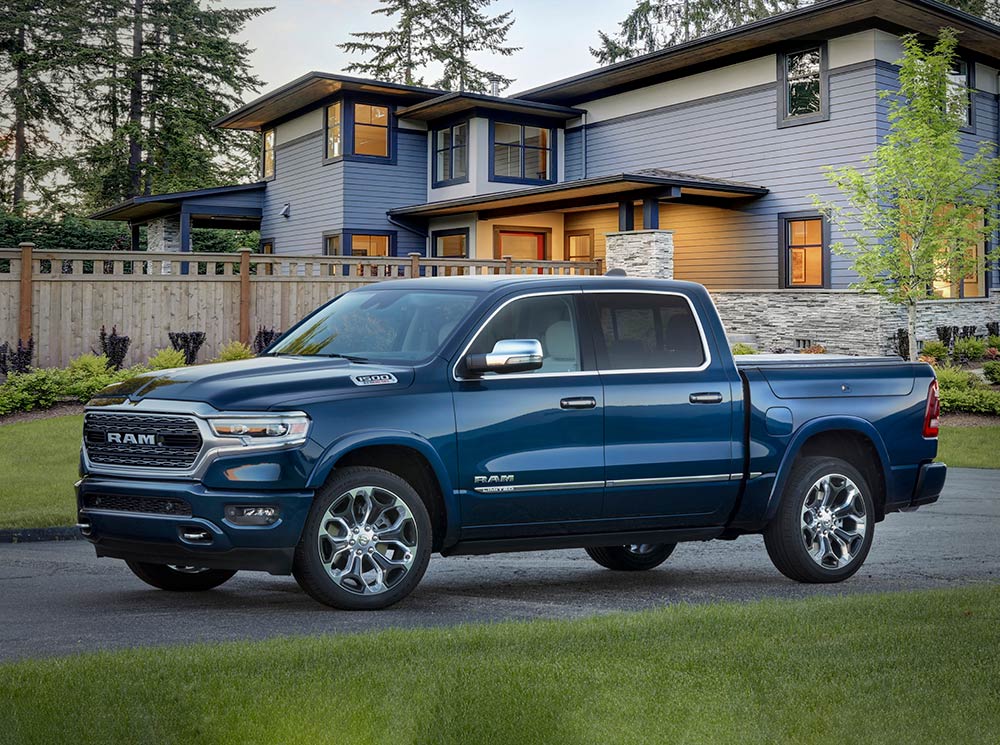
Blood Sweat and Gears
The SEMA Show offers an attendee experience like no other trade show on the planet. It’s the best place to see the newest automotive performance… Continue reading
Adam Johnson . October 26, 2021
Department
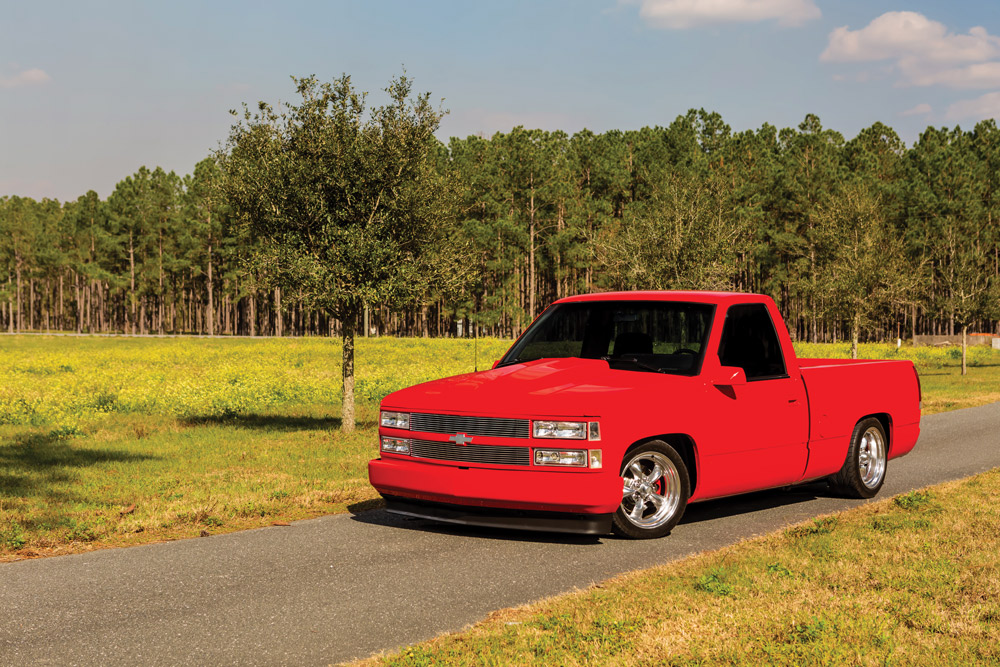
Kindred Motorworks Reveals All-Electric 3100 Pickup Truck, Completing Its Debut Lineup Kindred Motorworks, the San Francisco Bay area producer of modernized vintage vehicles, recently revealed… Continue reading
Mike Self . April 13, 2023
Features
On Every Kid’s Wish List in the 1990s How many of you wanted a Red Ryder BB gun after “A Christmas Story” appeared on TV… Continue reading
Chris Hamilton . June 06, 2022
Department
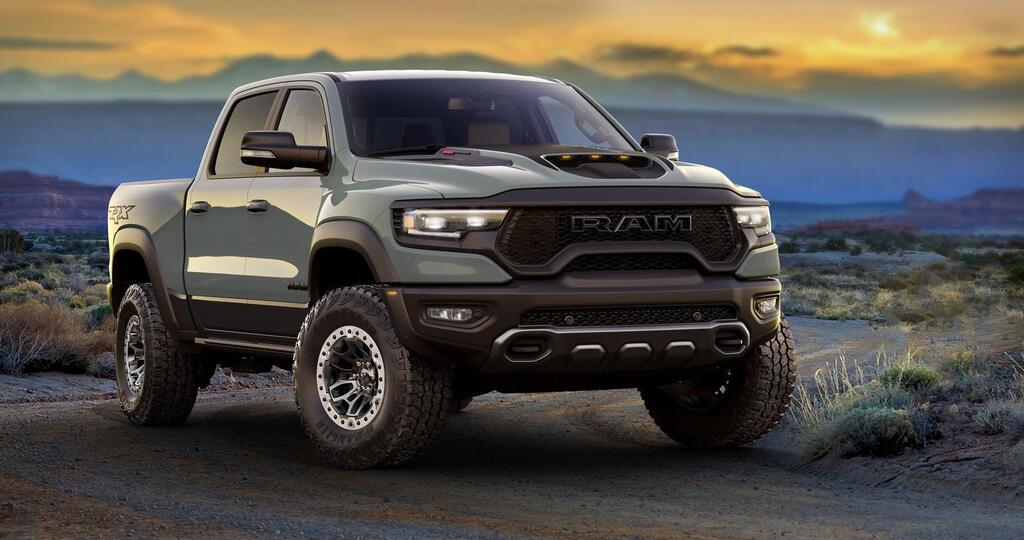
HYUNDAI SANTA CRUZ TO BE BUILT AT MONTGOMERY, ALABAMA PLANT Hyundai Motor Manufacturing Alabama (HMMA) announced the Santa Cruz compact utility vehicle will join the… Continue reading
Chris Hamilton . February 10, 2020
How to
With 300,000 Lumens on the Front of His F-150 Raptor, Ken Block Could Guide Airplanes On The Darkest of Nights If you scroll down our… Continue reading
Logan Wade . August 19, 2020
Department
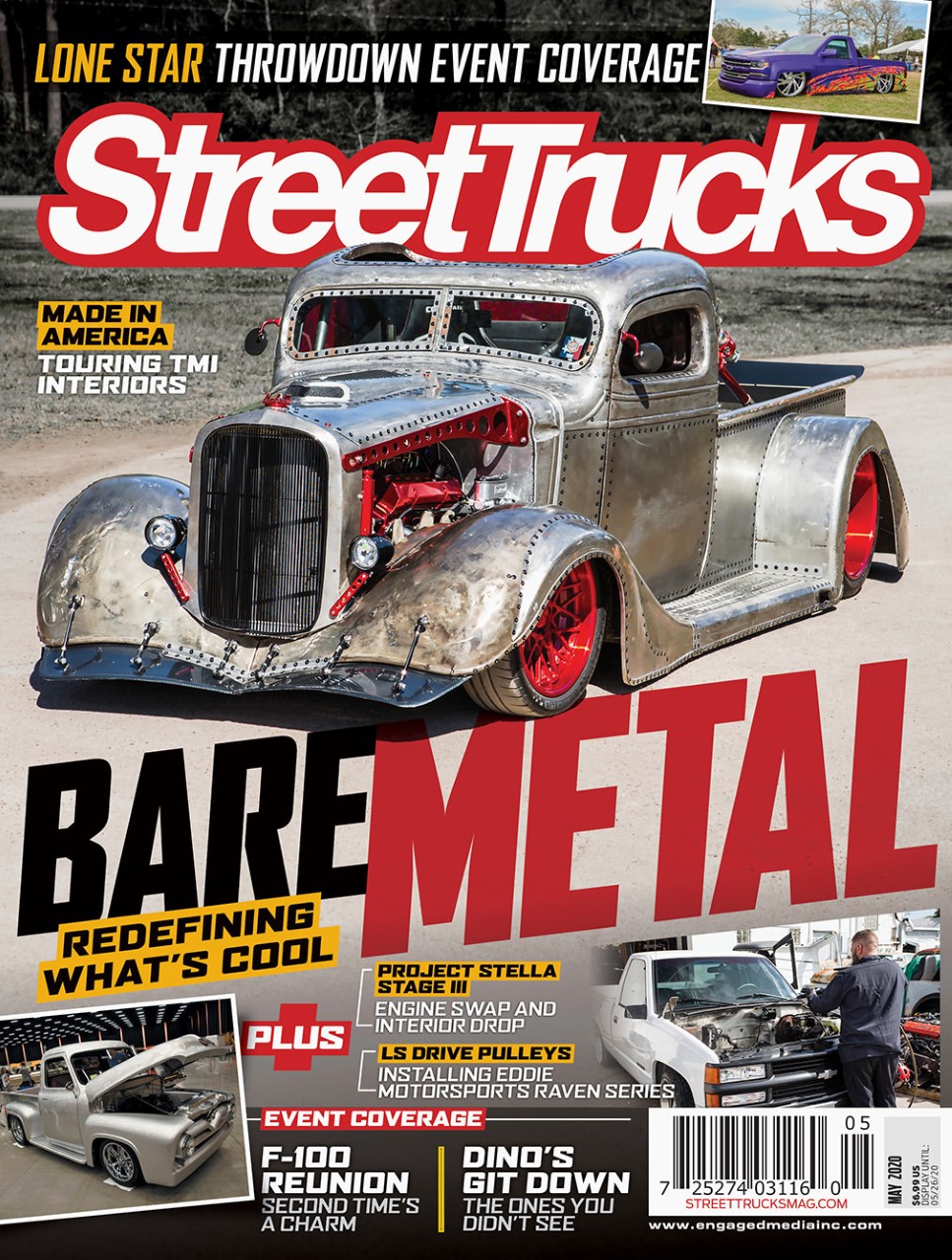
Here’s What’s Inside! FEATURES Pharr Out 1958 Chevrolet Apache Dream Comes True Bare Metal Reinventing What’s Cool Family Affair Building an ’86 Mazda B2000… Continue reading
Chris Hamilton . April 02, 2020

We use cookies to enhance your browsing experience, serve personalized ads or content, and analyze our traffic. By clicking "Accept All", you consent to our use of cookies. Visit our Cookie Policy for more info.


Share Link