










 STREET TRUCKS STAFF
.
June 25, 2026
.
Industry News
.
STREET TRUCKS STAFF
.
June 25, 2026
.
Industry News
.
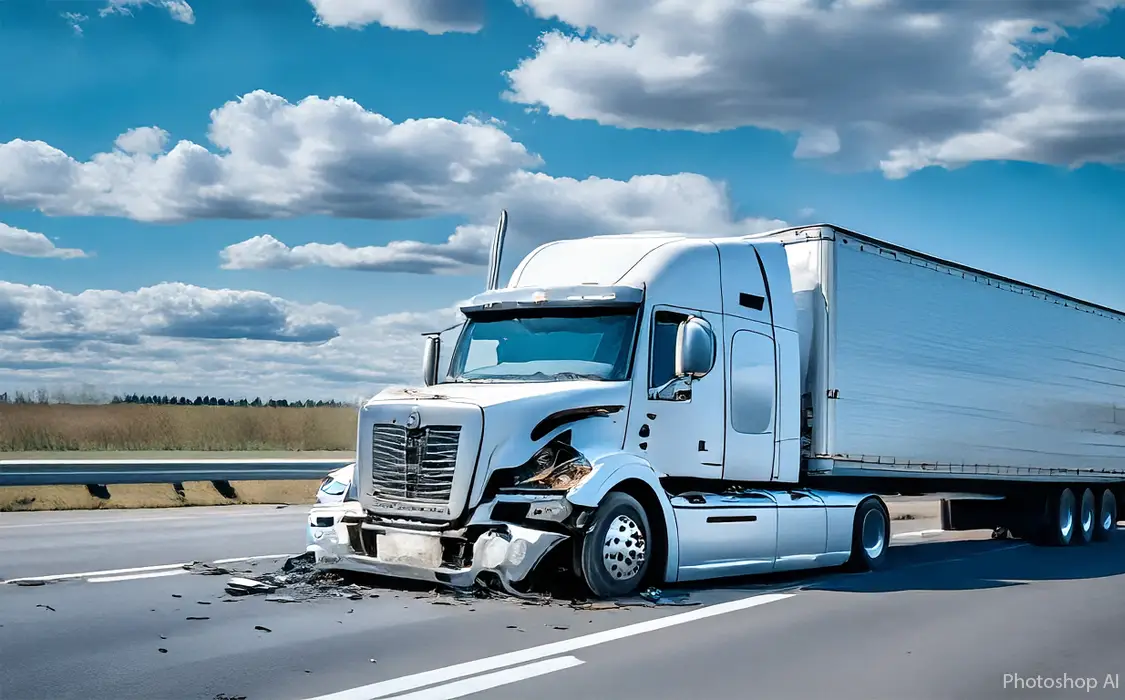
In 2024, roughly 120,724 heavy vehicles were involved in crashes that ended with injuries, per the National Safety Council. That count is 5.4% bigger than in 2023. In most of these incidents, the first objective is to determine who is at fault or assign responsibility.
In a typical car accident, fault is usually analyzed only between the two drivers. But in a commercial truck accident, that same analysis can be much harder to apply. The driver, the trucking company, a third-party cargo loader, a vehicle manufacturer, and an independent maintenance contractor can all be potentially liable. Each one is acting under a separate insurance setup and separate legal duties, making the situation too complicated to handle. Figuring out who might be liable, and why, is where the fault determination actually begins.
Every truck accident case relies on identifying the party at fault to be resolved. Still, knowing what to do after a truck accident in Ohio and other states is important. One must be familiar with the distinct traffic laws that apply in each state. Doing so can help you better understand and determine who could possibly be blamed for the truck accident.
The legal framework for truck accident cases mixes federal safety rules with state negligence law. A party’s knowledge, expected knowledge, and required paperwork all become part of the evidentiary record. That record, more than just what happened at the scene, tends to decide how fault is allocated.
The driver is pretty much always mentioned in the first investigation, and usually for a pretty solid reason. Speeding, impaired driving, distracted driving, and other traffic law violations all constitute driver negligence, which can lead to direct liability. Under the legal doctrine of respondeat superior, a carrier ends up liable for the negligent acts of an employee-driver, as long as that driver was working within the scope of employment when the crash happened. So, if a company driver caused the accident while transporting cargo on company business, then the trucking company shoulders liability for the driver’s conduct. This doctrine requires no extra separate proof of the carrier’s fault.
But respondeat superior isn’t the only legal route for determining fault. Trucking companies can also end up getting direct negligence claims when they engage in negligent hiring, negligent entrustment, negligent training, negligent supervision, and other systemic failures that are non-compliant with federal safety standards. For example, a carrier that chose a driver with a documented history of major violations, overlooked ELD data that pointed to repeated hours-of-service problems, or didn’t address a vehicle that had known mechanical issues might be held liable for any truck accident.
According to truck accident lawyer Ronald Bone, federal and state regulations set limits on the driving hours allowed for truck drivers and companies. Under 49 CFR Part 395, property-carrying drivers are limited to 11 hours of driving inside a 14-hour on-duty window, and that clock starts fresh after 10 consecutive hours off duty. This regulatory policy is not just some “administrative” suggestion. It’s a federal law. If someone violates it, the violation can serve as powerful evidence of negligence in a truck accident case.
FMCSA research has flagged driver fatigue as one of the contributing factors in 13 percent of fatal large truck crashes. At the same time, the National Highway Traffic Safety Administration (NHTSA) has said that 18 straight hours of being awake can lead to mental functioning impairment.
Working for this number of hours straight is comparable to a blood alcohol level of 0.05 percent. After 24 hours without sleep, the impairment starts to climb to about 0.10 percent BAC, which is beyond the legal limit for any driver.
An ELD record can prove that the driver on duty broke these thresholds. If it happens around the time the crash happened, it can be used as evidence of violating this rule. This specific condition matters in how the accident played out.
According to 49 CFR Part 396, truck carriers must carry out systematic maintenance on their vehicles. If maintenance is not performed despite a known problem, the carrier can be held liable.
In 2023, the FMCSA reported that faulty brakes were responsible for 25.4% of vehicle out-of-service violations. A brake failure that shows up shortly after a maintenance inspection that already flagged brake problems is a clear example of documented negligence.
Before someone begins commercial driving, they must take several legal steps. Carriers are responsible for checking the license and criminal background of a candidate. They should also check the driving records and use the Federal Motor Carrier Safety Administration (FMCSA) Pre-Employment Screening Program (PSP) to check for past violations.
A carrier that sends a driver out with disqualifying violations, without doing the required screening, cannot really claim it acted reasonably. Negligent hiring and negligent entrustment claims can be valid if truck carriers fail to perform this requirement.
Trucking companies often try to label drivers as independent contractors instead of employees so they can dodge respondeat superior. This practice is one of those topics that comes up again and again in commercial truck cases.
Courts and the FMCSA do a functional check to figure out what the real deal is. They basically look at information regarding the incident. They investigate who set the driver’s schedule, who handed over the equipment, how the carrier steered the driver’s routes, and if the driver was economically bound to that carrier. A carrier that keeps pretty tight operational control over the driver while also calling them a contractor just to dodge responsibility has a significant legal burden to overcome.
Independent contractor designations have become a contentious issue under the FMCSA leasing exceptions in 49 CFR Part 376. This lays out rules that carriers leasing equipment from owner-operators must comply with.
In some cases, it is also the manufacturer or cargo loader who can be solely responsible for the accident. There are instances wherein cargo is improperly loaded or is not secured well enough. During transit, the cargo shifts and the truck ends up losing control. In this scenario, the liability can extend to the party that was actually responsible for loading and fastening that cargo. Cargo documentation, weight records, and loading logs will end up in the evidence file for a cargo-related crash.
If the whole incident had something to do with mechanical failure, and the maintenance was handed over to some third-party contractor, then the contractor’s work orders, their inspection records, and the actual scope of service start to matter.
In case a defective part also somehow contributed to the accident, even if maintenance was handled cautiously, then the manufacturer might still get pulled into product liability claims. In many multi-party truck accident situations, the case tends to move forward with parallel investigations across all these fronts at the same time. Each responsible party typically has their separate insurance coverage.
Most states use some form of comparative fault, so liability can end up spread across a few parties in amounts that match how each person contributed to the crash. In a pure comparative fault state, a plaintiff can still take damages regardless of their fault percentage. The payout under this system gets trimmed based on their share of responsibility.
In modified comparative fault states, the ability to recover is usually cut off if the plaintiff’s share hits or goes past 50 or 51 percent. A small group of states still lean on contributory negligence rules, which can block recovery completely if the plaintiff has even a little fault.
For injury victims, it helps to know which standard is used in the area where the collision happened. The legal doctrine regarding negligence recognized by a state determines how much a claim is realistically worth. It also shows why evidence gathering is important from the start.
In a multi-party situation where fault percentages are disputed, each single percentage point that moves away from the plaintiff and onto someone else can end up mattering a lot for the final compensation.
Fault in a truck accident case isn’t really decided by who was driving or even by which vehicle was bigger. It mostly depends on what the evidence shows. What did each side know, what were they supposed to do, and how did their actions help cause the crash?
The problem is that most evidence doesn’t last long. ELD data overwrites itself every eight days on most systems, and trucking firms tend to send investigators out right away after a serious collision. If nobody formally preserves them in time, maintenance records can vanish or be changed later.
The people with the most to lose usually start working within hours of a major truck accident. For an injury victim, holding certain parties accountable will hinge on whether or not they were able to secure and preserve key evidence.


Department
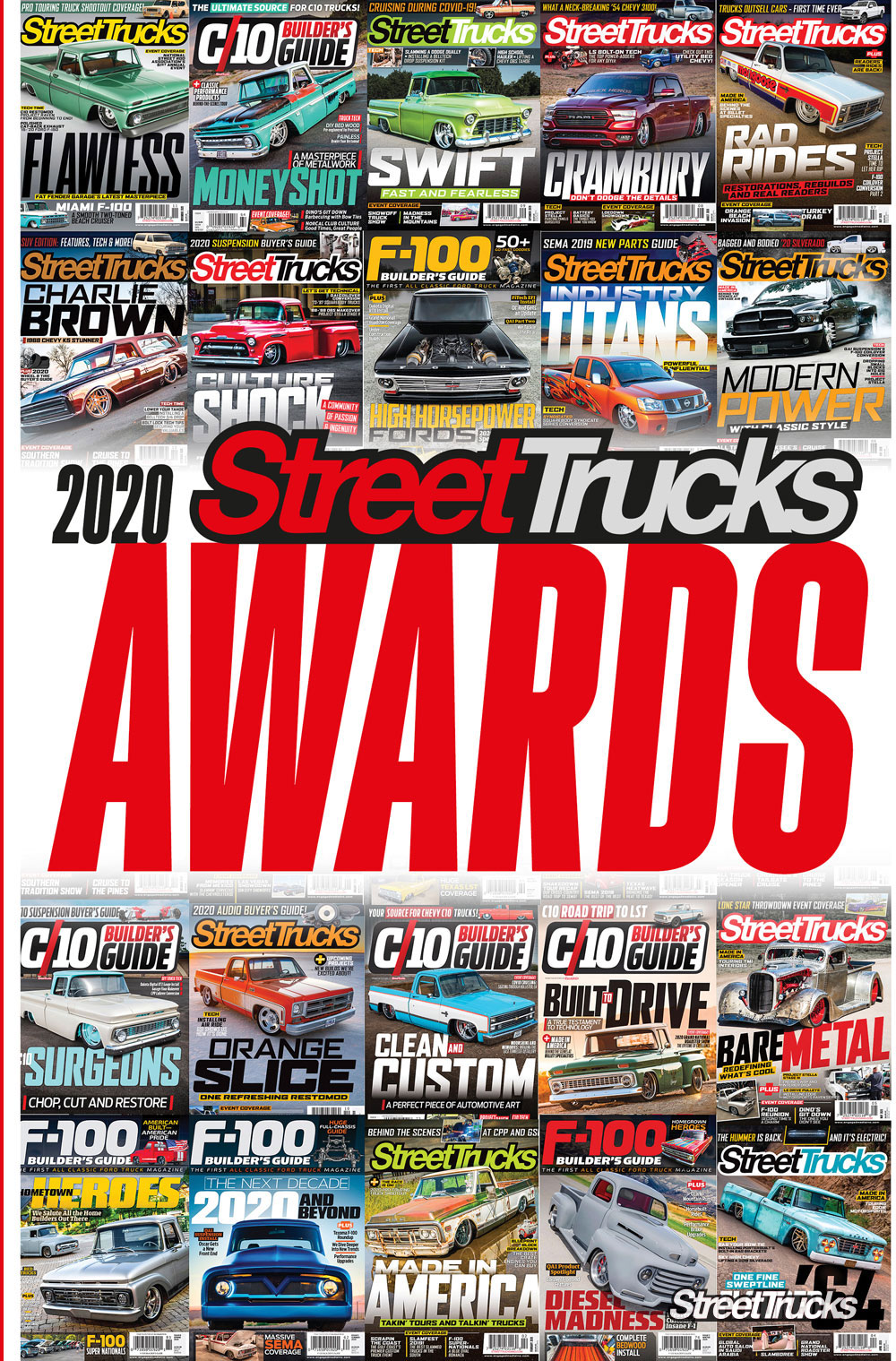
CELEBRATING THE BEST OF THE BEST! Between Street Trucks, C10 Builder’s Guide, F-00 Builder’s Guide and OBS Builder’s Guide, we publish 21 individual books full… Continue reading
Chris Hamilton . March 31, 2021
Charity Builds
We think it’s time to give back! Street Trucks magazine is partnering with Mission 22 for a unique charity project designed to raise as much… Continue reading
Chris Hamilton . April 05, 2022
Department
This custom 1971 Chevy C10 features a 6.0 LQ motor, 4L65 auto transmission and a porterbuilt chassis so sit back and enjoy the ride.. Buy… Continue reading
Adam Johnson . March 30, 2022

Department
The Super Bowl of Mini Truck Shows was back in Maggie Valley North Carolina for its 28th year. If you love custom trucks then you… Continue reading
Adam Johnson . June 16, 2022
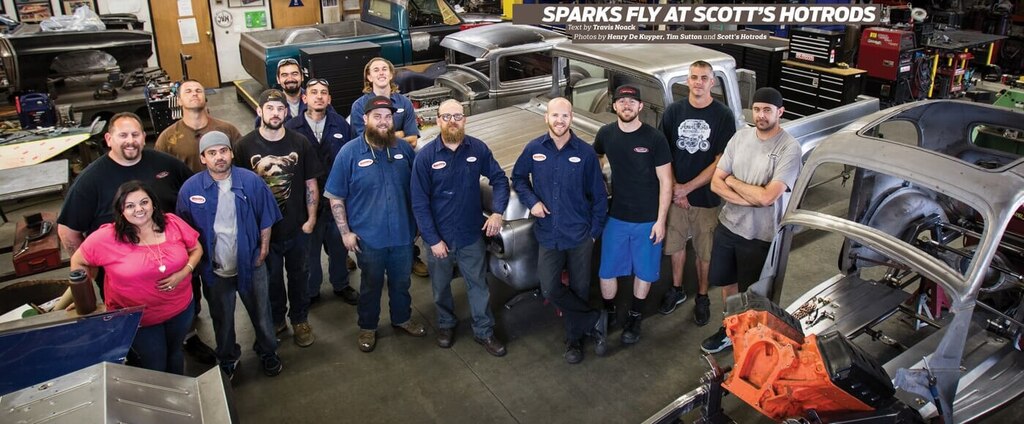
Features
Passion. It’s the one thing that starts and drives successful businesses across the country. No matter what you do, to be great at it you… Continue reading
Travis Noack . July 13, 2023
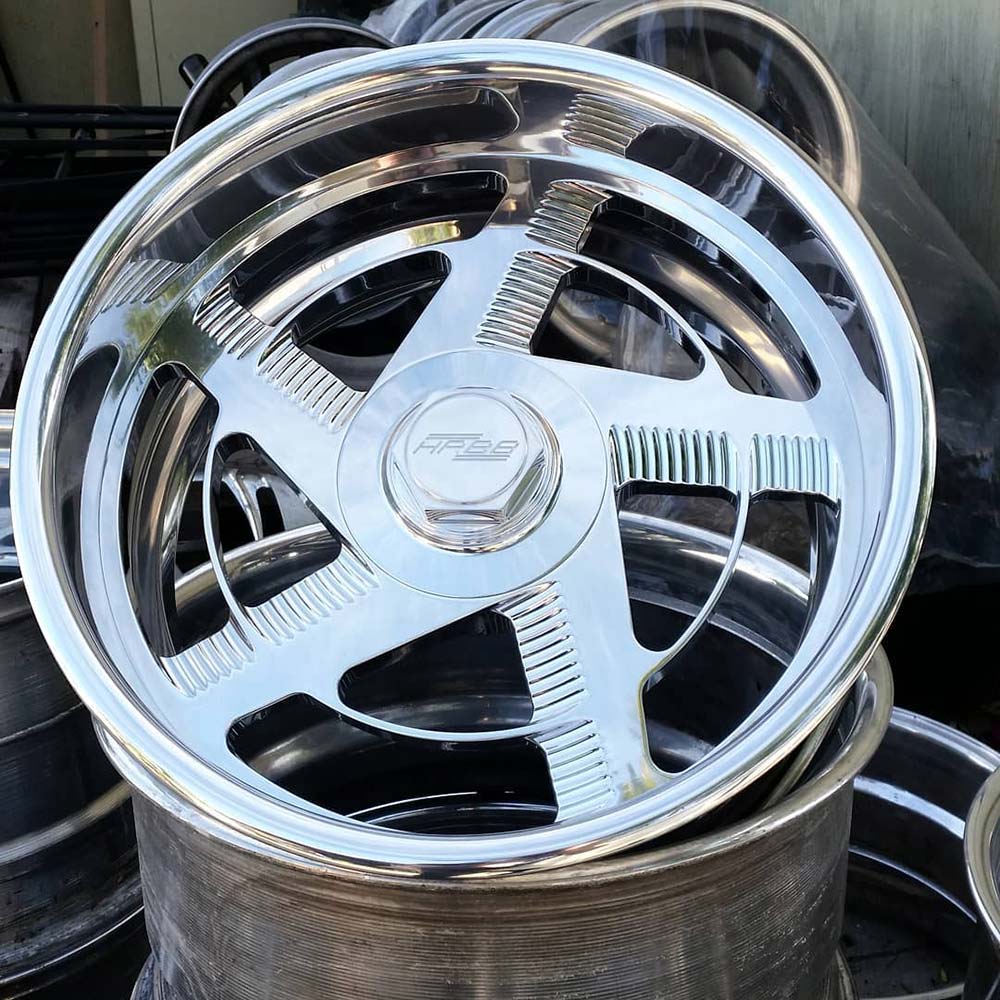
c10
Adding a set of wheels and tires can dramatically increase the style and performance of any vehicle—especially a truck or SUV. While there’s nothing quite… Continue reading
John Mata Jr. . September 16, 2022



We use cookies to enhance your browsing experience, serve personalized ads or content, and analyze our traffic. By clicking "Accept All", you consent to our use of cookies. Visit our Cookie Policy for more info.



Share Link