










 STREET TRUCKS STAFF
.
May 28, 2026
.
Industry News
.
STREET TRUCKS STAFF
.
May 28, 2026
.
Industry News
.
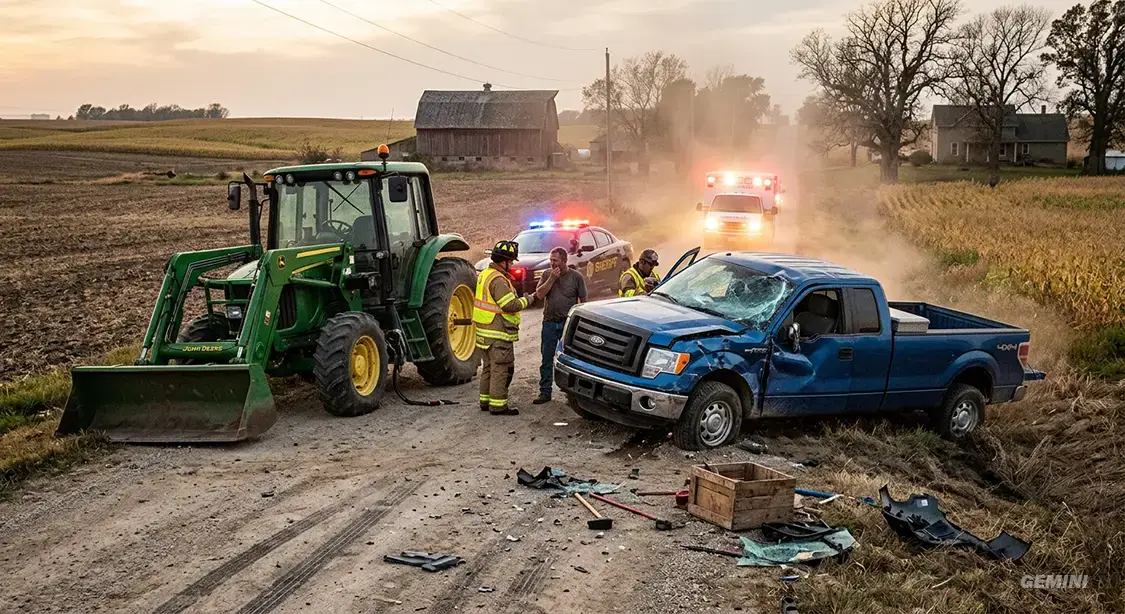
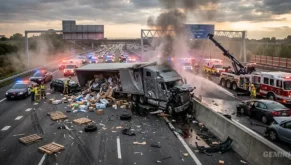
Did you know that according to the National Safety Council, there have been more than 131,000 accidents involving large trucks? Out of the number, 5,340 individuals lost their lives because of large truck crashes, and 70% of the deaths were from other smaller vehicles.
Studies have shown that accidents between big trucks and other automobiles are more likely to result in serious injury or death due to the size and weight differences of the two vehicles.
Cleveland truck accident lawyer Michael A. Saltzer states that while accidents involving these large vehicles aren’t as common as passenger vehicle accidents, they are devastating when they happen.
When there is an accident involving farm trucks, the liability can end up being split between a few people or maybe groups in general. Identifying these parties is important so they can lawfully be held liable for the incident.
Let’s dive deeper to know if you were responsible in this situation, what the rules are supposed to be, and if they were actually followed.
The Federal Motor Carrier Safety Administration establishes mandatory driver qualification standards and regulates commercial motor vehicle operations through its rules on hours of service and drug and alcohol testing and vehicle inspection requirements, which apply to interstate freight transportation.
The rules establish liability through negligence per se because the violation establishes breach of duty, which requires no additional proof to show what a reasonable driver would have done.
Certain trucks used on farms may be exempt from several regulations set forth by the United States Department of Transportation at 49 Code of Federal Regulations Part 390, provided that the truck is being used for agricultural purposes within 150 air miles of the farm.
The duty of care exists despite the exemption. The legal system applies state traffic regulations and general negligence standards to this case. A farm truck driver who operates his vehicle under agricultural exemption rules will face liability for driving recklessly, failing to keep his vehicle safe, or carrying a load that was not secured.
The exemption creates a situation where negligence can no longer be shown through the most effective method, while it does not eliminate negligence itself.
The exemption requires fact analysis to determine which typical farm truck operations need to comply with complete commercial vehicle rules. The following two points define how farm truck operations lose their exemption status:
The documentation requirements for hours of service logs, driver qualification records, pre-trip inspection documentation, and commercial driver’s license records become necessary when the exemption is no longer valid. A driver violation of any of these requirements that caused the crash establishes negligence per se.
There are multiple parties that may be involved in a farm truck accident. As such, the incident can be even more complex with them sharing legal responsibilities.
States use comparative fault because it allows them to reduce recovery for injured parties who share any responsibility for their injuries.
In cases involving farm trucks, the other driver becomes liable if he fails to observe the slow-moving vehicle emblem, attempts to pass in a no-passing zone, and drives at speeds that do not match the rural road conditions where farm equipment operates.
According to https://www.farmandtruckinjury.com/, other common accidents on farms include injuries from heavy equipment, falling objects, vehicle rollover accidents, electrocutions, and exposure to dangerous chemicals and tools.
Farm truck operators must fulfill their responsibilities about this matter. The success of comparative fault arguments against the farm operation depends on proper slow-moving vehicle marking and functioning lights and compliance with state equipment regulations.
The primary issue that decides most farm truck liability cases determines whether the truck operated under agricultural exemption rules during the accident. The answer establishes new proof standards that determine negligence assessment procedures and the resulting identification of responsible parties together with their financial obligations.
The determination needs an analysis of elements, which include the specific journey details together with the load type and the distance traveled and the farm’s business structure. The evidence that establishes those facts needs immediate preservation through dispatch records and cargo manifests and mileage logs and maintenance files.
The Federal Motor Carrier Safety Administration Measurement System provides public access to data that shows previous violations and inspection records for carriers under regulation, and this information helps to establish liability patterns and damages assessment.


Department
Be Prepared and Make Plans Now An abundance of amazing car/truck shows happen all across the United States every year. Because our magazine is not… Continue reading
streettrucks . August 13, 2019
Department
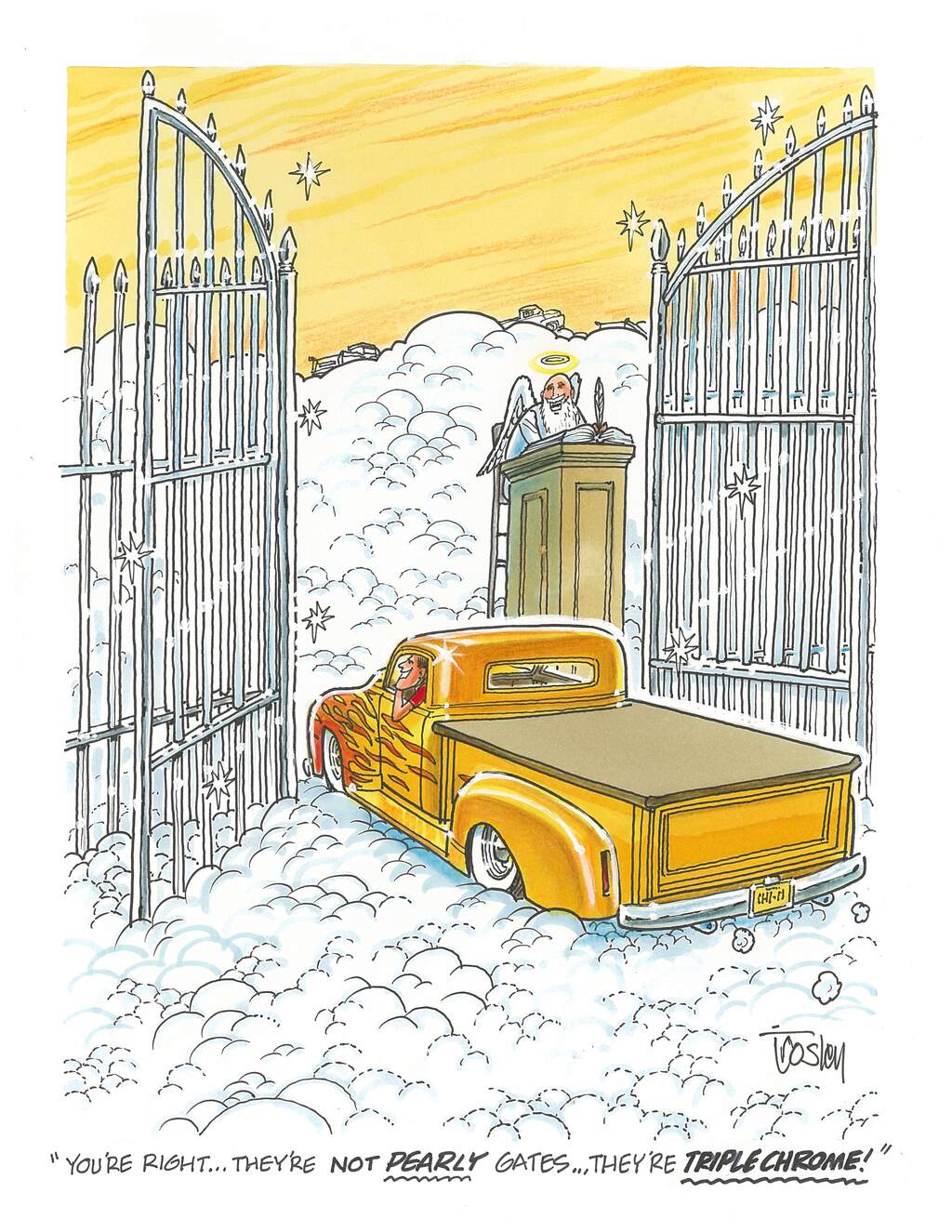
STREET TRUCKS CARTOONS ” A SERIES OF COLLECTIBLE CARTOONS “ Get Your Weekly Truck Build Guides - FREE
Adam Johnson . March 14, 2022
Department
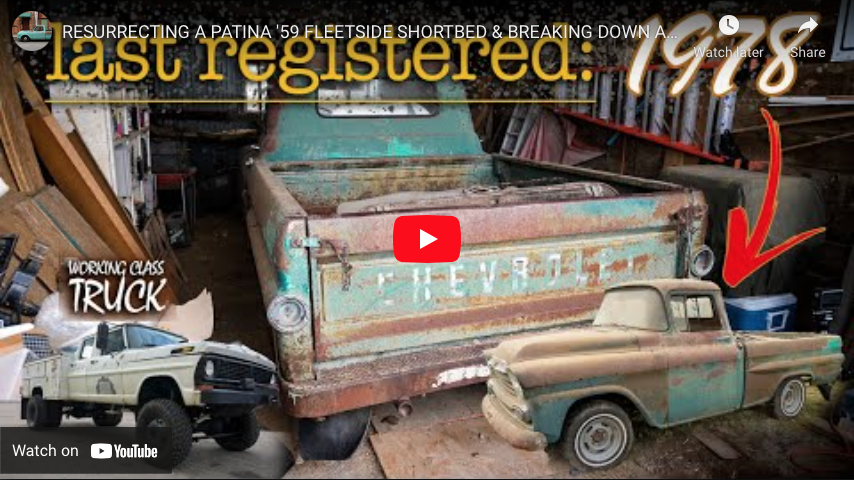
In part 2 of this 3 part series, we’re resurrecting a ’59 fleetside shortbed chevy & breaking down a 1970 Cummins-powered F250 on a Super… Continue reading
Adam Johnson . January 11, 2022

Blood Sweat and Gears
Thanks to Jackery for sponsoring today’s video! In celebration of Jackery’s 9th anniversary, get 15% off sitewide from Oct. 18th to Oct. 20th. Click here:… Continue reading
Adam Johnson . October 18, 2021

F100 Builders
Pope’s Hot Rods Shop Tour Hot rodding has always been more than just a hobby for Brian Pope of Pope’s Hot Rods. His older brother… Continue reading
SOLOMON LUNGER . October 25, 2023
Editor
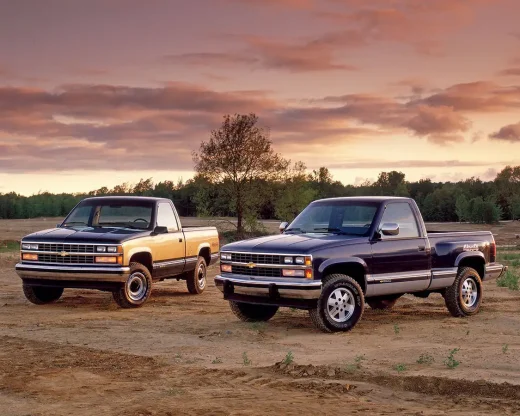
What is OBS Truck? (Old Body Style or Original Body Style) Last updated: July 17, 2025 OBS refers to Chevy C/K trucks that were manufactured… Continue reading
Chris Hamilton . August 19, 2020




We use cookies to enhance your browsing experience, serve personalized ads or content, and analyze our traffic. By clicking "Accept All", you consent to our use of cookies. Visit our Cookie Policy for more info.


Share Link