










 STREET TRUCKS STAFF
.
April 15, 2026
.
Industry News
.
STREET TRUCKS STAFF
.
April 15, 2026
.
Industry News
.
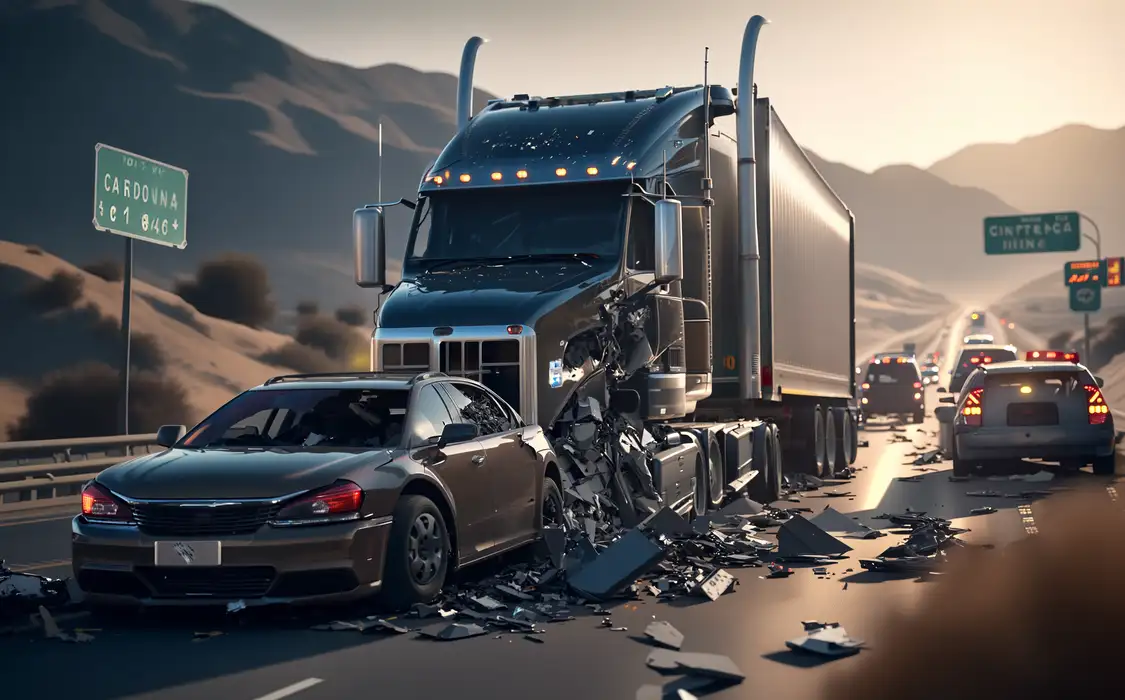
California roads see everything from lifted street trucks and daily drivers to work pickups hauling equipment across long stretches of highway. For a lot of drivers, trucks are more than transportation. They are part of daily life, work, and personal identity. But when a serious crash happens, the aftermath can be more complicated than people expect.
A truck or vehicle accident can leave someone dealing with injuries, vehicle damage, lost time from work, and uncertainty about what comes next. The physical recovery is only one part of the problem. Insurance issues, repair decisions, and legal questions start almost immediately.
For drivers who take pride in their vehicles and spend real time on the road, understanding what to do after a serious crash can make a major difference in both recovery and financial stability.
Not every crash is straightforward. Accidents involving trucks, modified vehicles, work pickups, or larger SUVs can create unique issues because of vehicle size, weight, and the force involved.
These crashes can lead to:
The more serious the crash, the more important it is to protect both the vehicle evidence and the injury claim. Drivers dealing with significant injuries after a collision can benefit from speaking with an experienced car accident injury attorney early, especially when fault is disputed or the crash involves long-term medical issues.
The first priority after any crash is safety and medical care. Even if someone walks away from the scene, injuries involving the neck, back, or head can take time to fully show up.
In the first hours and days after a crash, it helps to:
These early steps matter because details disappear quickly. Skid marks fade, vehicles get repaired, and memories change.
For truck owners and drivers, the condition of the vehicle after a crash is not just about repair costs. The damage itself can help explain what happened.
Important details can include:
This can help establish speed, angle of impact, braking, and how the force of the crash affected the people inside the vehicle.
That is especially important in cases involving rear-end crashes, lane-change collisions, highway pileups, or disputes over who caused the wreck.
California has some of the busiest and most demanding roadways in the country. From Bay Area traffic and Peninsula commuter routes to long freight corridors, coastal highways, and inland stretches with heavy truck traffic, driving conditions can change quickly.
For truck and vehicle owners, common risks include:
Truck drivers and enthusiasts who spend time on California roads know how quickly conditions can shift. A crash can happen even when someone is doing everything right.
Insurance companies start evaluating claims almost immediately after a wreck. Their goal is to control costs, resolve claims efficiently, and reduce financial exposure.
That can create problems for injured drivers who are still getting treatment or waiting to understand the full extent of their injuries.
A quick settlement may address visible vehicle damage or immediate expenses, but it can leave out larger losses such as:
A serious injury claim should reflect the full impact of the crash, not just what is visible in the first few weeks.
The strength of a legal claim often comes down to evidence. In truck and vehicle crashes, that can include more than photos from the scene.
Helpful evidence may include:
In some cases, the vehicle itself should be preserved before major repairs are made. Once a vehicle is repaired, sold, or salvaged, important evidence can be lost.
Acting early helps protect what matters.
One of the biggest mistakes people make after a crash is assuming fault will be obvious. In reality, insurers and opposing parties may dispute liability even in cases that seem clear at first, especially when there are multiple vehicles involved, conflicting statements, or limited evidence from the scene.
Common defense strategies include:
Even small details can affect how fault is evaluated. A strong claim depends on facts, documentation, and a clear timeline of what happened from the moment of impact through the recovery process.
California has legal deadlines for injury claims, and waiting too long can make recovery harder or impossible, even in cases where the injuries are serious and fault seems clear.
Timing also affects the quality of the evidence. Vehicle data can be overwritten, repairs can erase important physical damage patterns, and crash scene details can change quickly. Witnesses may become harder to reach, and memories that were clear in the days after the crash can become less reliable over time.
The sooner someone understands their legal options, the better they can protect both their claim and their long-term recovery.
For drivers who care about their trucks and the time they put into them, a serious crash is frustrating on every level. But once injuries are involved, the bigger issue is not just what happened to the vehicle. It is what happens next.
A crash can affect your health, work, finances, and daily life long after the vehicle is repaired or replaced. Knowing your rights early can help you make better decisions, protect key evidence, and avoid being pushed into a resolution that falls short of what you actually need.

Events
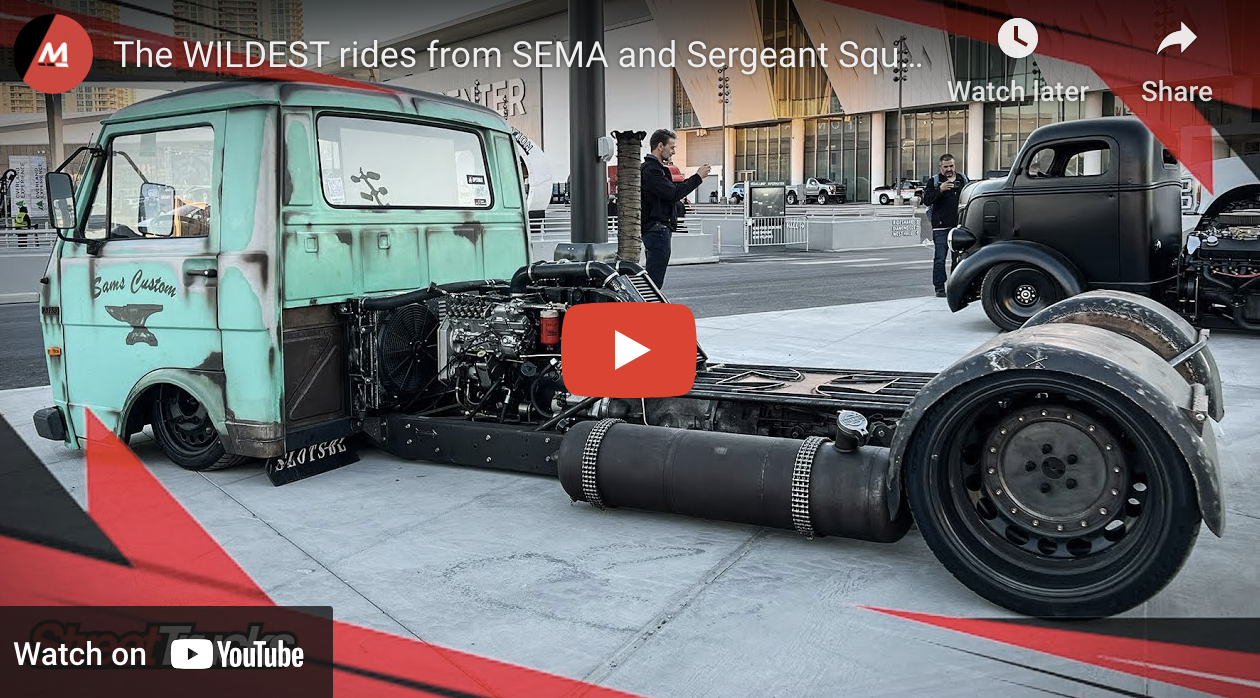
Get ready to revitalize your love for the road with Motortopia, the ultimate destination for street trucks and hot rods straight from SEMA 2023! This… Continue reading
Chris Hamilton . December 10, 2023
Industry News
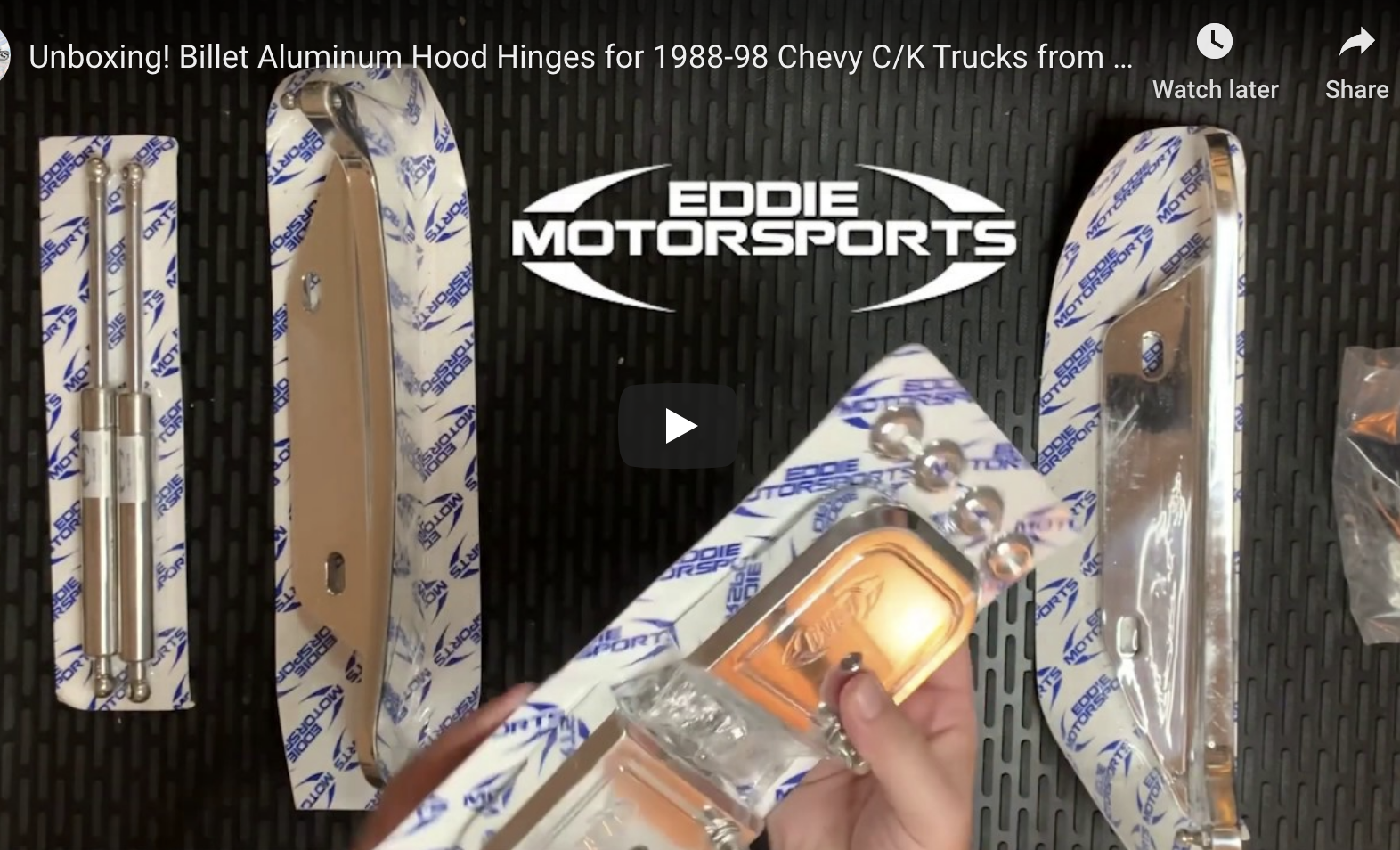
Billet Aluminum Hood Hinges for 1988-98 Chevy C/K Trucks Fits 88-98 C/K Chevy/GMC Trucks 92-99 Blazer/Jimmy/Suburban/Tahoe Yukon ●High strength, precision billet aluminum construction ●Utilizes sealed… Continue reading
Chris Hamilton . April 30, 2020
Department
Living the Life and Printing the Passion Frame-laying, bagged classic trucks tend to fill the pages of Street Trucks magazine month after month. I’m sure… Continue reading
Chris Hamilton . August 29, 2019
Industry News
When it comes to new trucks, manufacturers are notorious for crowing about horsepower rating, or torque, or towing capacity. The 2020 GMC Sierra Heavy Duty… Continue reading
Chris Hamilton . February 14, 2019
Department
1952 Ford F1 Pickup Truck Racing 5.0L Coyote Build Project Vintage pickup trucks are just plain cool. This ’52 F1 is received the full Schwartz… Continue reading
Adam Johnson . March 17, 2022
Department
Welcome to Papi’s Garage the home of 6×6 Built to Drive trucks. In this video, we are out at The Promise Land aka Rick Ross’s… Continue reading
Adam Johnson . May 25, 2022

We use cookies to enhance your browsing experience, serve personalized ads or content, and analyze our traffic. By clicking "Accept All", you consent to our use of cookies. Visit our Cookie Policy for more info.




Share Link