










 STREET TRUCKS STAFF
.
March 05, 2026
.
Industry News
.
STREET TRUCKS STAFF
.
March 05, 2026
.
Industry News
.
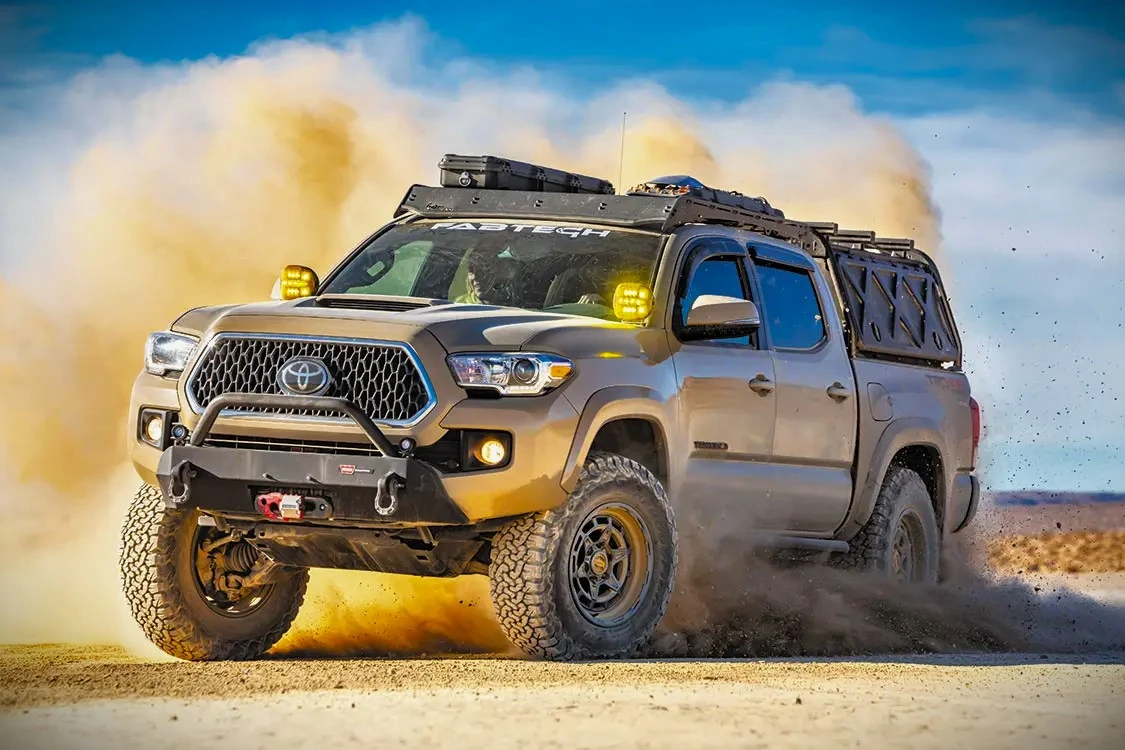
Even though our trucks are equipped with all the modern safety tech like collision warning, automatic braking, pedestrian detection and so on, none of them matter much when you hit a 200-pound deer at highway speed or plow through heavy brush on a trail. Front-end damage is expensive because modern trucks cram radiators, intercoolers, A/C condensers, headlights, and a network of plastic sensors into that bumper area. One good impact can total $5,000+ in repairs, and that’s assuming the airbags don’t deploy.
Walk into any parts retailer or browse online and you’ll see dozens of aftermarket accessories. They cost anywhere from a couple of hundred bucks to a few thousands, and often have confusing marketing hooks that make everything sound like it’ll save your truck from a train wreck. The reality is most of these products serve different purposes and offer different levels of actual protection.
The answer to a question “Which one to choose?” depends entirely on how you use your truck and what you want to protect it against. A guy commuting in the suburbs needs different protection than someone hitting trails every weekend or driving rural highways at dawn when deer are moving. Let me break down what bull bars, grille guards, and off-road bumpers actually do, what they cost, and how to figure out which level of protection matches your real-world use instead of your Instagram feed.
When it comes to the front end protection there are three main categories of the upgrades you can choose from: bull bars, grill guards (also known as brush guards) and off-road bumpers.
Read on, as I walk you through each option with a deep dive into the features, what they actually protect against, and help you to decide which out of the three is a better option for your use case.
Bull bars are basic protection products designed for crossovers, SUVs, and trucks to protect the middle portion of the bumper from minor dents and scratches. Construction-wise, they feature the classic A-shaped tubular frame with a middle bar that connects two sides. Originating back in the ’80s, they were pretty popular among fans of 4x4s for adding that off-roadish look and style to a vehicle. Having a shiny chrome finish, they were mostly a cosmetic add-on that would improve the looks in the first place and potentially protect the bumper from scratches during parking. Today, their function has not changed; however, chrome has been pushed away by the more subtle black powder-coat finish.
Installation-wise, they’re pretty straightforward, as most bull bars bolt directly to existing frame mounting points using heavy brackets that slide underneath. Slight bumper cutting is typically required for the installation.
What They Actually Protect: In reality bull bars offer a pretty limited protection. They’ll cover the middle portion of the bumper and prevent minor parking lot bumps from cracking your bumper cover. That’s about it. Grille and headlights remain completely exposed, side brush will still scrape your fenders, and in a real animal strike they might not help at all.
Pros:
Cons:
Bull bars are perfect for those who want to add that classic off-road touch, or just need something to mount auxiliary lights on. If you’re mainly protecting against parking lot dings and want to add some style without the drawbacks of a full guard, this is your answer.
With Grille guards you start getting the actual protection that matters in more serious impacts. Being mounted to the tow-hook receivers, these extend higher than bull bars and protect the middle portion of your truck’s frontend along with the grille and both headlights.
Construction uses heavier gauge tubing than bull bars – typically 2 to 3-inch diameter steel with wall thickness designed to handle more serious impacts. Multiple horizontal crossbars, vertical uprights at the sides, and headlight protection loops that curve around each light assembly provide a much better wrap-around protection for the front-end. Being either modular or one-piece units, they weigh 100 to 150+ pounds depending on the model.
What They Actually Protect: The entire front end of your truck or SUV, including grille, radiator, both headlights and bumper cover. The tow-hook-mounted design (for body-on-frame applications) transfers impact energy directly to your truck’s frame instead of letting it crush expensive body panels and components. Though, during tough collisions, grille guards can get bent backwards into the front end resulting in serious damage.
Pros:
Cons:
Grille guards make sense for rural drivers and work trucks on the first place. This is the minimum protection level I’d recommend if you’re actually concerned about more serious impacts than occasional fender-benders at the parking lot.
Off-road bumpers are a completely different animal, because you’re completely replacing the stock plastic bumper with a tough shell made of heavy steel to withstand damage from all the angles.
Construction-wise, they feature thick steel plate shells with integrated mounting plates for winches, welded-in recovery points rated for your vehicle’s weight, multiple light mounting locations, and often provisions for air vents. Better designs improve your approach angle over the factory bumper and free up a few inches to clear oversized tires, which is why the majority of the off-road folks run them.
The Combo Option: A cool thing about these products is that manufacturers often offer optional prerunner bars, hoops and grille guards with brush guards giving you the best front end coverage possible. These bumpers feature either a bullnose design (moderate grille coverage with a thick tube across the top) or a full wrap-around grille guard built right into the bumper structure. No separate mounting points, no compatibility issues, just complete front-end armor. This is the setup I’d run if protection is actually the priority rather than just looks.
Pros:
Cons:
Off-road bumpers make sense for hardcore off-roaders building expedition rigs, work trucks seeing extreme trail use, or anyone who needs to maximize the front end protection. If you’re bolting on a winch, running serious trails regularly, or building an overland rig, this is where you end up. Everyone else is hauling around 300 pounds of steel they’ll never actually need.
A $200 bull bar handles the needs of most crossover and SUV owners perfectly fine – it protects your bumper in parking lots, gives you mounting points for lights, and adds some style without the extra cost.
Grille guards make sense if there is a constant risk to bend, break, or scratch some of the front end components on your SUV or truck. Those who live in rural areas and do long mile commute might appreciate this option the most. They offer real protection that’ll save you thousands in a moderate collision, but you’re paying for it in weight, fuel economy, and upfront cost.
Full replacement bumpers with integrated grille guards are for those who want ultimate protection be it a trail abuse or a contact with an animal at the highway. If you need a winch, recovery points, multiple light mounts, and maximum protection all working together, the combo bumper-guard setup is worth the money and weight. But if you’re not regularly self-recovering or pushing your truck hard off-road, you just bought an expensive parking lot ornament that kills your gas mileage. Be honest about your actual use case and buy accordingly.

Department
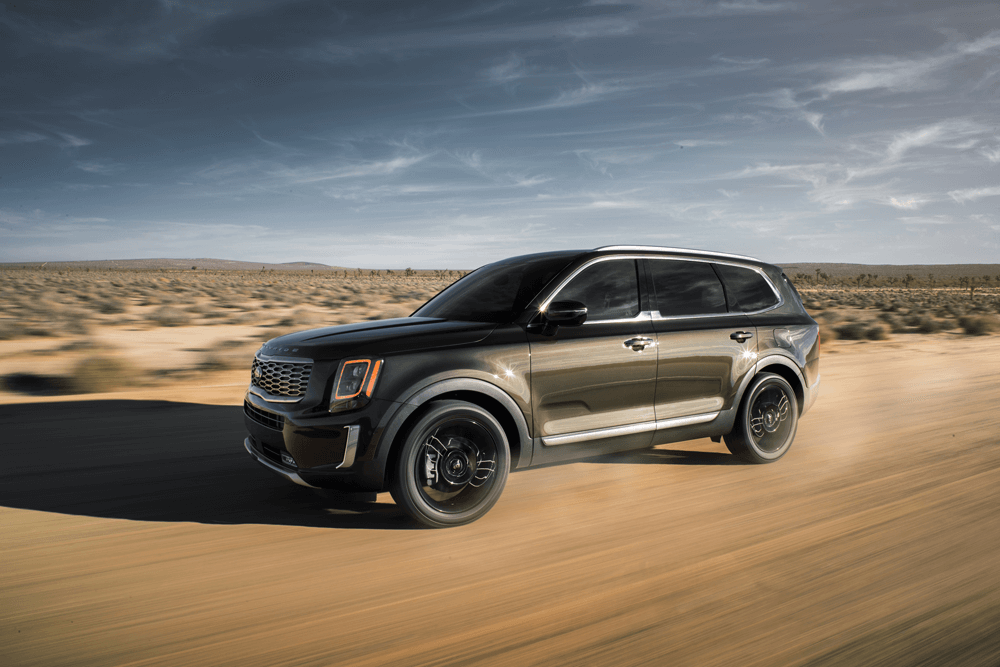
Kia Telluride: A Big Leap Forward, Made in America LARGE, bold, capable and comfortable, the midsize Telluride SUV opens the door to exploring in a… Continue reading
Mike Self . April 08, 2019
COOL GEAR
’67-’72 Billet Sill Plates Eddie Motorsport’s new 1967-’72 Chevy C10/C20 truck billet aluminum door sill plates are both high quality and easy to install. They’re… Continue reading
Chris Hamilton . February 18, 2022
C10 Builders Guide
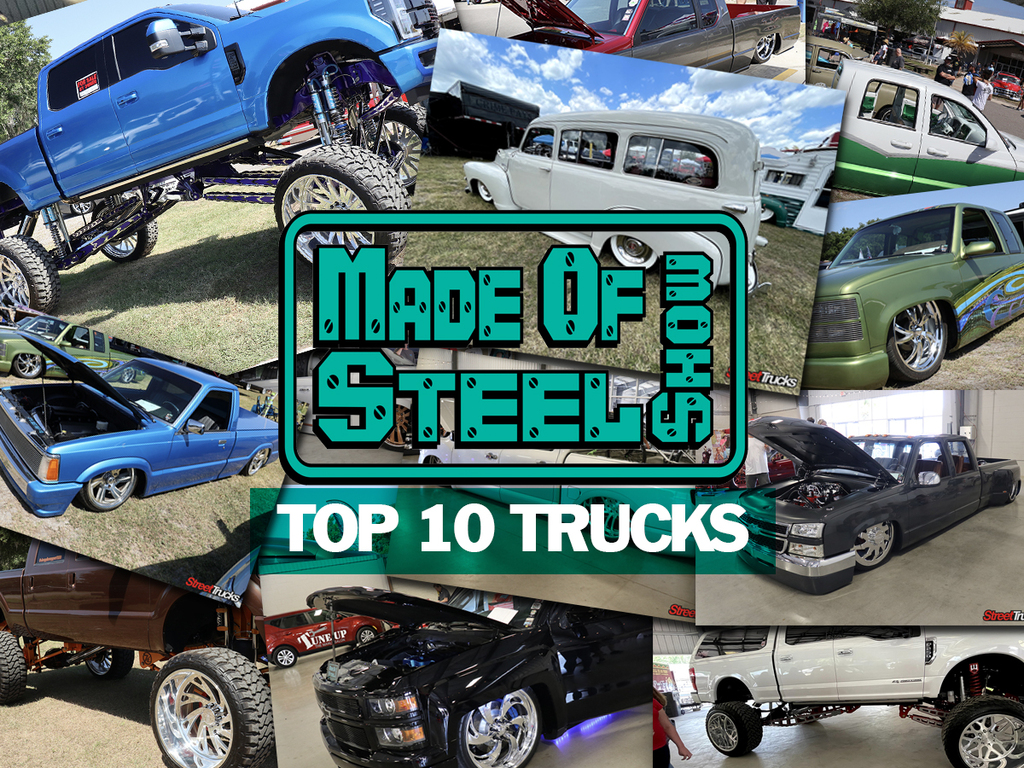
Made of Steel Show is hosted at the Hillsborough County Fairgrounds and presented by Mild 2 Wild Custom Accessories.jasonBallardfromtheOLPPodcast made this year’s top 10 choices… Continue reading
Chris Hamilton . May 25, 2021
C10 Builders Guide
Lowered Wheels and Tires Toyo Proxes ST This low-profile, high-performance tire offers great value in a wide range of weather and road conditions. The Proxes… Continue reading
Chris Hamilton . October 09, 2019
Industry News
Have you ever wondered how truck accident lawyers can significantly boost your compensation after an accident? Facing the aftermath of a truck accident can be… Continue reading
ST-STAFF . May 20, 2024

Industry News
In 2024, roughly 120,724 heavy vehicles were involved in crashes that ended with injuries, per the National Safety Council. That count is 5.4% bigger than… Continue reading
STREET TRUCKS STAFF . June 25, 2026


We use cookies to enhance your browsing experience, serve personalized ads or content, and analyze our traffic. By clicking "Accept All", you consent to our use of cookies. Visit our Cookie Policy for more info.


Share Link