










 STREET TRUCKS STAFF
.
February 19, 2026
.
Industry News
.
STREET TRUCKS STAFF
.
February 19, 2026
.
Industry News
.
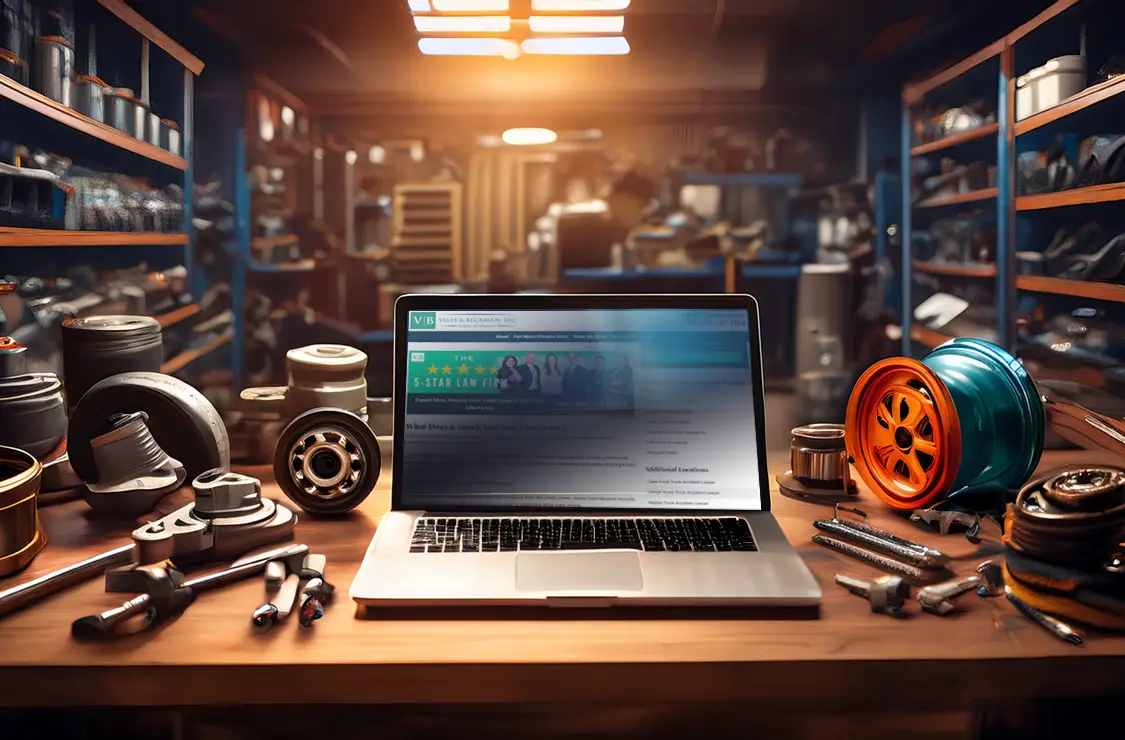
Fort Myers is a busy Florida community shaped by tourism, local commerce, and steady traffic moving along major roadways every day. With delivery trucks, commercial freight vehicles, and construction traffic sharing the streets with residents and visitors, large trucks are a common presence throughout the area. When a truck accident occurs in Fort Myers, the damage is often severe, leaving victims facing serious injuries, financial strain, and unanswered questions about who is responsible.
These cases are rarely simple, especially when trucking companies, drivers, and insurers offer conflicting accounts of what happened. Understanding the evidence truck accident lawyers use to prove liability helps injured individuals see how accountability is established in complex claims. From physical proof at the scene to technical records and expert analysis, each detail plays a role in uncovering the truth. For those navigating the aftermath of a devastating crash, seeking truck accident legal help in Fort Myers can be a critical step toward clarity, justice, and fair compensation.
Photos taken of the site shortly after the crash are very valuable. These images show the location of vehicles, roads, weather conditions, and other visible damage. They can also document skid marks, debris, and traffic lights. Attorneys can visually recreate the event and emphasize all the relevant details that firmly establish liability. Archives serve as impartial evidence when the memories become hazy and the stories become divergent.
Police reports filed by responding officers offer an impartial summary of the events that took place. They typically include statements from those involved, witness accounts, and initial opinions on the blame. This is why police sometimes include a diagram showing how the accident took place. Lawyers refer to these records to ask for their client’s version of events and rebut any inaccuracies that may exist.
Truck drivers must keep hours of service logs and records. They assist in determining if sleepiness or fatigue played a part in the crash. Looking into hours of service can indicate if a driver exceeded the legal limits, which would mean unsafe driving. Lawyers compare these logs with other evidence to identify inconsistencies or potential misconduct.
All modern trucks install electronic boxes that log technical data related to vehicle operation. These modules, often referred to as “black boxes,” record data on acceleration, braking, and engine activity. Accessing and analyzing this data gives insight into the moments before the incident. Legal teams frequently use this data to show whether the driver responded properly or caused the collision.
Maintaining a vehicle is necessary to run properly and safely. Lawyers check records of inspections, repairs, and safety compliance. Proof of deferred maintenance or ignored mechanical problems may also indicate company or driver responsibility. Comprehensive histories may also shed light on mechanical failures that could contribute to the crash. Having access to these documents bolsters the argument that a party is liable.
Accounts of eyewitnesses provide an even more human element to the story of the accident. The lawyers obtain statements from bystanders, other drivers, and passengers who may have witnessed the accident. Witnesses can tell the order of events, driver behavior, and conditions around the accident. The accounts of the passengers allow for a reconstruction of the accident and can even help decide who is to blame.
Security or traffic cameras watch numerous roads and intersections. Video footage can be from one of these sources, capturing either the full accident or only details that occur immediately before or after a crash. Attorneys reference this visual proof to verify or contradict claims and determine the details of what actually happened. High-quality recordings can significantly contribute to proving fault.
Accident reconstruction specialists offer technique-based perspectives on how and why the accident happened. Experts build models of the crash, relying on everything from physical evidence to technical data to photographs. They can analyze the event to determine if it was due to speeding, improper turns, equipment failure, etc. In many cases, expert reports are paramount to convincing the judge/jury.
Proving liability in truck accidents necessitates a precise method of collecting evidence. An attorney uses pictures, examinations, scientific information, and a specialist viewpoint to substantiate his/her opinion. Everything from the photographs to accident site, vehicle, and maintenance logs gives an edge when it comes to identifying the perpetrator behind this act and getting the victims and their families the justice they deserve.



Department
For a while now we’ve wanted to make over our home garage, and now that project Playboy needs some additional engine work, we decided the… Continue reading
Chris Hamilton . February 17, 2023

Industry News
American Powertrain want’s to help everyone get through these troubling times. The shop is run by a small and dedicated staff for their customers. They… Continue reading
Chris Hamilton . March 30, 2020
Department
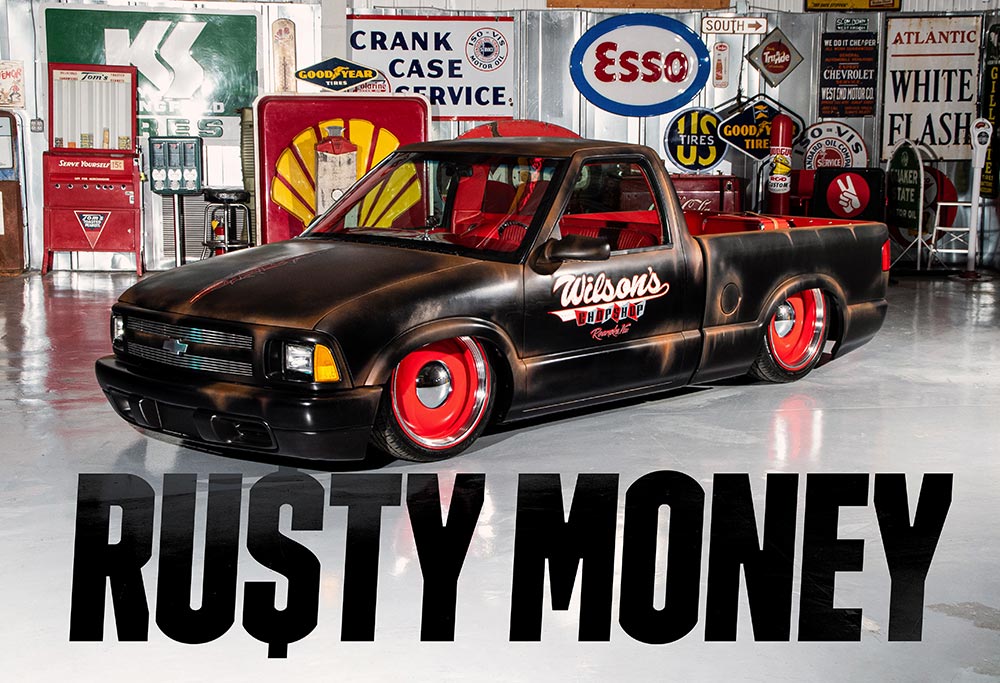
Rusty Money – From Poe to Whoa We all get into the custom car show scene for different reasons. Take, for instance, Chris Wilson. His… Continue reading
Adam Johnson . September 22, 2022
C10 Builders Guide
Kia Motors Produces 3 Millionth Vehicle in U.S. Kia Motors Manufacturing Georgia, Inc. (KMMG) reached another milestone recently when the plant’s 3 millionth vehicle—a white 2020… Continue reading
streettrucks . January 13, 2020
Blood Sweat and Gears
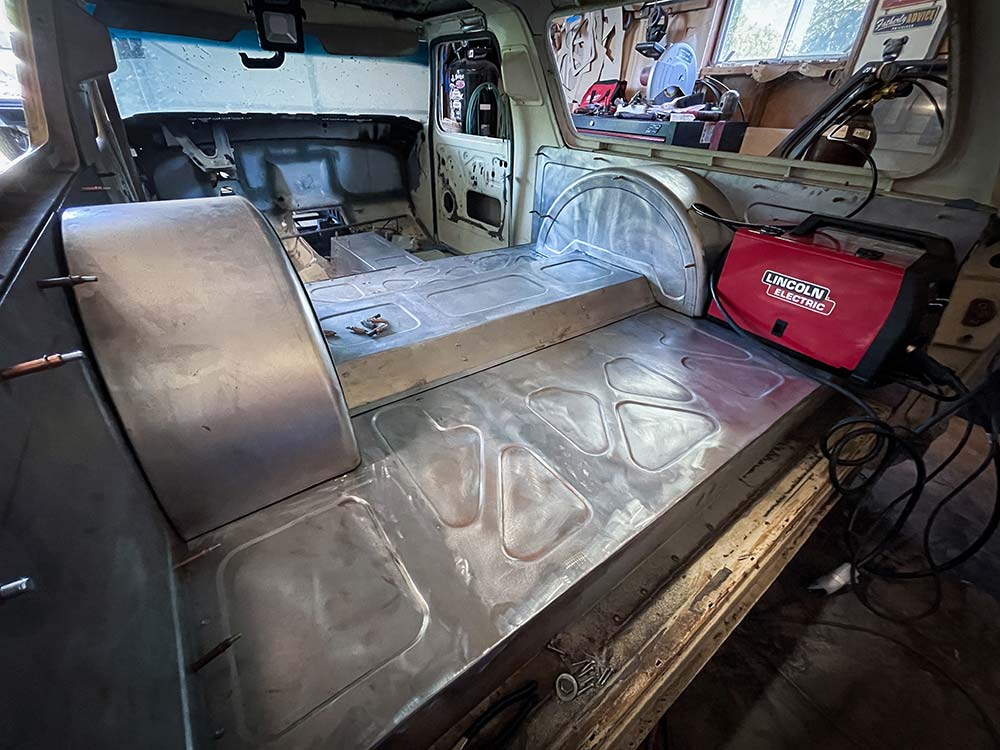
When modifying your vehicle, many times the factory or replacement panels no longer fit the build, and so it becomes necessary to build custom panels… Continue reading
DEVAN ENCE . October 11, 2022
Features
Kid Friendly Transportation and So Much More When it’s time for the next project vehicle, most folks have to decide whether to buy or build.… Continue reading
Joe Greeves . September 26, 2023


We use cookies to enhance your browsing experience, serve personalized ads or content, and analyze our traffic. By clicking "Accept All", you consent to our use of cookies. Visit our Cookie Policy for more info.




Share Link