










 STREET TRUCKS STAFF
.
December 06, 2025
.
Industry News
.
STREET TRUCKS STAFF
.
December 06, 2025
.
Industry News
.
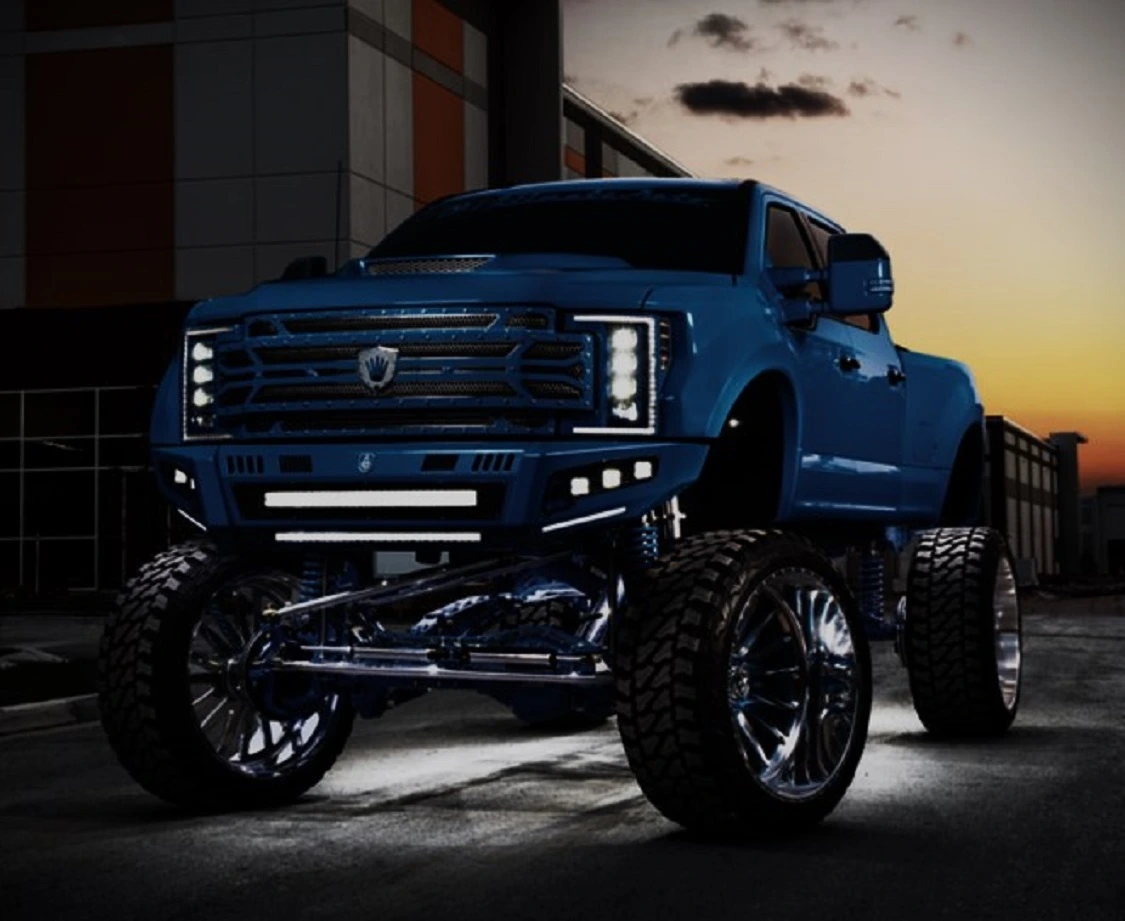
Daily-driven street trucks face many situations that factory lighting and visibility tech just don’t address well. Morning commutes, tight parking areas, late-night drives, and crowded intersections all demand clear sightlines. Many owners want their trucks to look sharp, but they also want the gear to pull its weight on the road. Visibility upgrades do both by improving the driving experience while giving the truck a stronger presence in any setting.
Lighting upgrades make an immediate difference on a street truck. LED headlights offer a bright, focused pattern that works well for night driving. They produce a clean color tone that brings out road markings and reflective signs. Many owners follow that upgrade with LED fog lights, which help cut through low-light conditions and fill in the dark spots that factory fog lights tend to miss.
Accent lighting and well-placed daytime running lights add personality without drifting into off-road territory. Light bars designed specifically for street use can be helpful in dim areas as long as the beam pattern stays friendly to oncoming traffic. Sticking with parts that follow street-legal requirements keeps the truck compliant while still improving overall visibility. These types of lighting upgrades sharpen the truck’s look and make early-morning or late-night drives feel more controlled.
Camera systems have become a staple for street trucks that see regular city driving. A basic backup camera is useful, but many owners install wider multi-angle setups that show what is happening along both sides of the truck. A 360-degree system adds even more coverage and makes it easier to position the truck in narrow spots or crowded garages. Blind-spot cameras can help during lane changes, especially when the truck has a wider stance or larger wheels.
Parking sensors work well with multi-angle cameras because they provide simple audio cues when space gets tight. These features reduce the guesswork in busy areas. Resources from the NHTSA highlight how well-designed driver-assistance tech can support everyday driving. These systems work together to make the truck easier to place in tight spaces.
Street trucks share busy city streets with people on bikes, scooters, and foot traffic. These smaller road users often move through narrow gaps or dim areas where visibility shifts quickly. A truck’s ride height, wider stance, and tinted glass can create blind spots that make it hard to keep track of someone approaching from the side. Good lighting and multi-angle camera systems help capture movement in areas that would otherwise go unnoticed, especially near intersections or between parked vehicles.
Tense moments often start when a driver expects an open lane and suddenly notices someone passing closer than expected. That quick spike of frustration is common in heavy traffic, and close encounters similar to those linked to road rage incidents involving cyclists often begin with a small visibility gap rather than anything intentional. Strong visibility tools give drivers more time to react and help keep these everyday interactions from turning into something heated.
Small upgrades can work alongside lighting and camera systems to give the truck a clearer view of its surroundings. Convex mirrors broaden the view near the rear corners, which is helpful when backing out of driveways or switching lanes in traffic. Side-marker lighting brightens the truck’s profile and makes it easier for others to see the truck’s position in darker conditions. Auxiliary reverse lighting adds valuable brightness when backing into a driveway or angled parking space.
Many owners also run a dash cam for an extra layer of documentation. It captures unexpected events and provides a record of daily use. None of these upgrades is complicated. When combined, they give the truck a visibility setup that works well in different conditions.
Choosing visibility upgrades becomes simpler once you focus on how the truck is used every day. Some drivers want basic lighting improvements for better early-morning clarity. Others want full camera coverage for comfort in parking structures or during heavy rush-hour traffic. Budget, installation difficulty, long-term durability, and compatibility with the truck’s existing equipment all help narrow down the choices.
Many owners get ideas from articles that highlight useful equipment for real-world use. A resource like a detailed roundup of must-have truck accessories and upgrades gives plenty of examples to consider when planning a build. When you know what the truck needs most, choosing visibility tech becomes a straightforward part of the process.
Visibility upgrades give daily-driven street trucks a noticeable boost in comfort and control. Sharp lighting improves visibility ahead, and modern camera systems provide greater awareness of the truck’s sides and rear. Smaller additions, such as convex mirrors, side-marker lighting, and auxiliary reverse lighting, round out the setup. Combined with the right equipment and some attention to real-world driving needs, these upgrades help create a street truck that feels capable, confident, and ready for crowded city conditions.

Department
iHatePhil – Dreams Become Reality One of the many advantages of being an automotive photographer is traveling the world and seeing the most exquisite and… Continue reading
Phil Gordon . October 04, 2022

Department
Learn Something New About These Underrated Trucks With the Ford F-Series being the best-selling truck in the United States every year since 1977, it somehow… Continue reading
Mike Self . December 21, 2022

Department
Living the Life and Printing the Passion THE DECISION TO CREATE AN ISSUE SOLELY DEDICATED TO CUSTOM PAINT WAS MADE A FEW MONTHS BACK WHEN… Continue reading
Chris Hamilton . June 14, 2019
Department
S10/Blazer Wilwoods Wilwood has added two all-new disc brake options for the Chevy S10 truck and S10 Blazer 7 5/8-inch (7.625-inch) rear axles. Now available… Continue reading
Chris Hamilton . December 15, 2021
C10 Builders Guide
IF YOU’RE AN AVID READER OF STREET TRUCKS FROM THE VERY BEGINNING, YOU MIGHT REMEMBER WAY BACK TO OUR EARLY DAYS WHEN STATIC-DROPPED TRUCKS WERE… Continue reading
Mike Alexander . December 11, 2019
Industry News
Spyshots are the bane of car manufacturers. All it takes is a single freelancer with a telephoto lens to ruin a new model’s debut, and… Continue reading
Chris Hamilton . March 08, 2019


We use cookies to enhance your browsing experience, serve personalized ads or content, and analyze our traffic. By clicking "Accept All", you consent to our use of cookies. Visit our Cookie Policy for more info.



Share Link