





How to Install a Ford 9-Inch Rear End in a 1968 C10
MARCEL VENABLE . February 18, 2026 . c10. MARCEL VENABLE
Share Link
Save ArticleLogin to save it
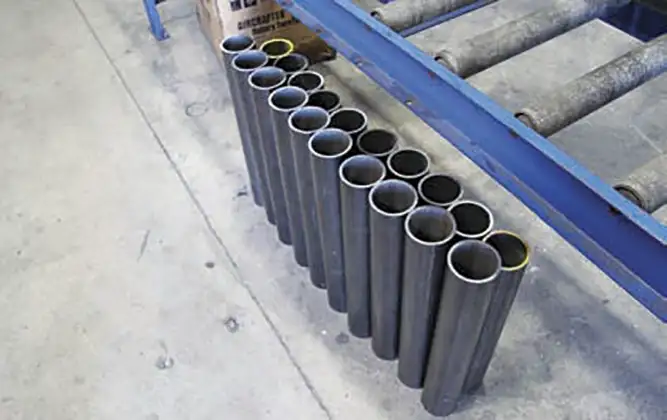
Upgrading Your C-10’s Rear Suspension and Differential
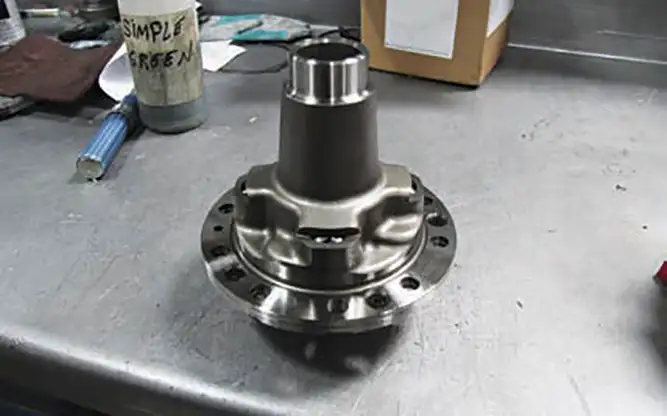
Alot of truck lovers forget that in the mid-’60s it was muscle cars, not trucks, which made a lot of horsepower. For the most part, trucks were an engineering afterthought whose purpose was strictly to serve as work vehicles. Today the tables have turned, and many truck lovers have installed parts to generate more horsepower from their two-door specials than even the fastest muscle cars from the golden age of cheap gas could conjure.
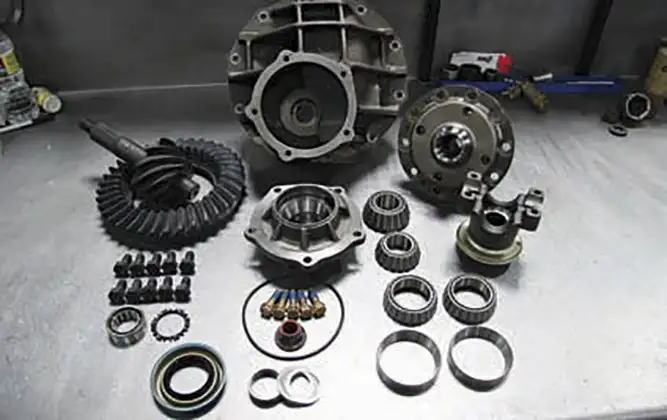
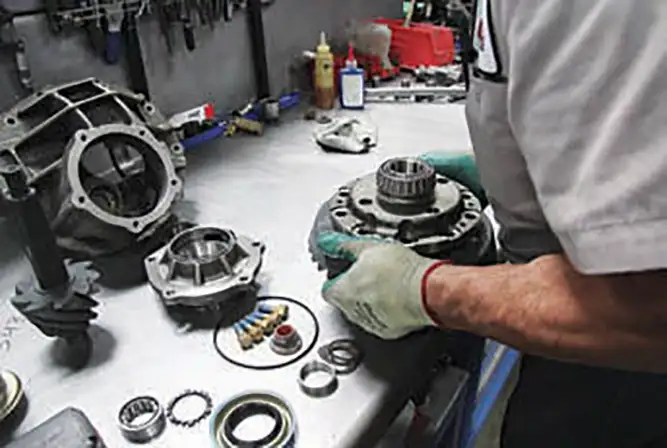
Modern power plants have become increasingly more reliable, yielding more power than ever, and the same goes for modern suspensions and rear differentials. So it makes sense to outfit your truck with a sturdy chassis, a firm suspension and an extra strong differential to match your new powerful engine swap.

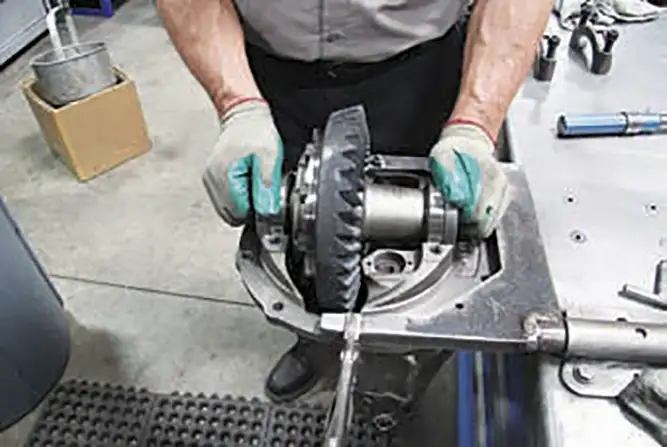
Outfitting the rear of your C-10 to accommodate more horsepower is easier than you might think. Many manufacturers have developed paired components to handle all of the power. In the past, items that were able to handle power had to be custom built to order, taking in considerations such as, make and model, tire size, and even the owner’s driving style.
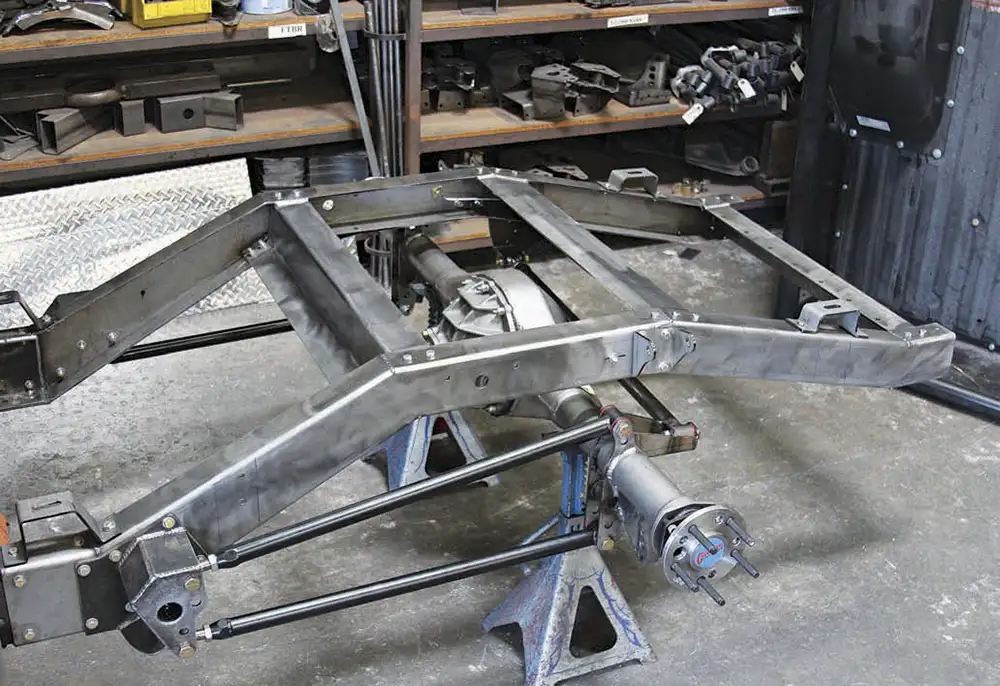
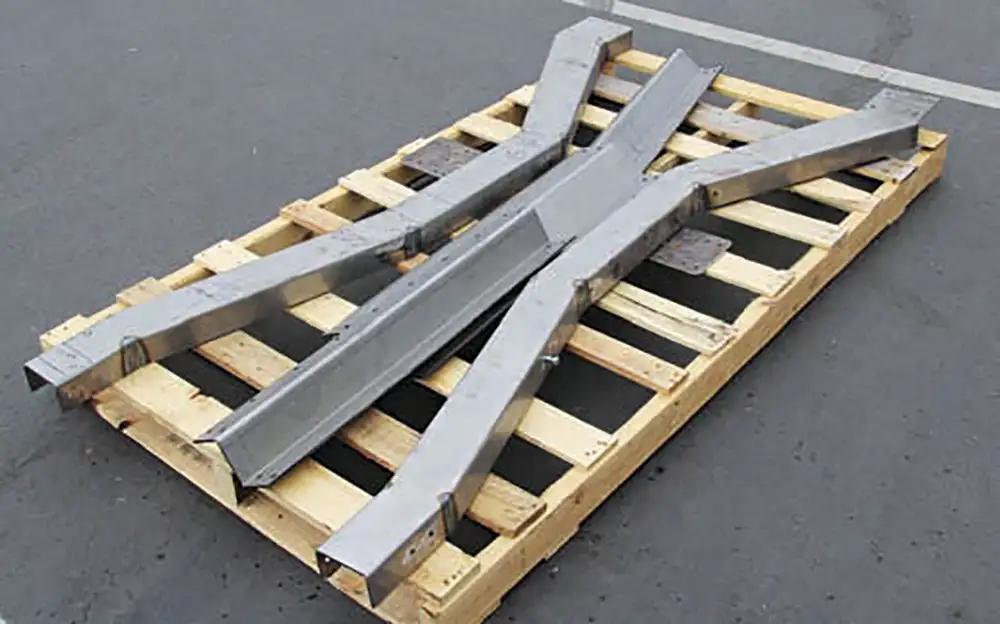
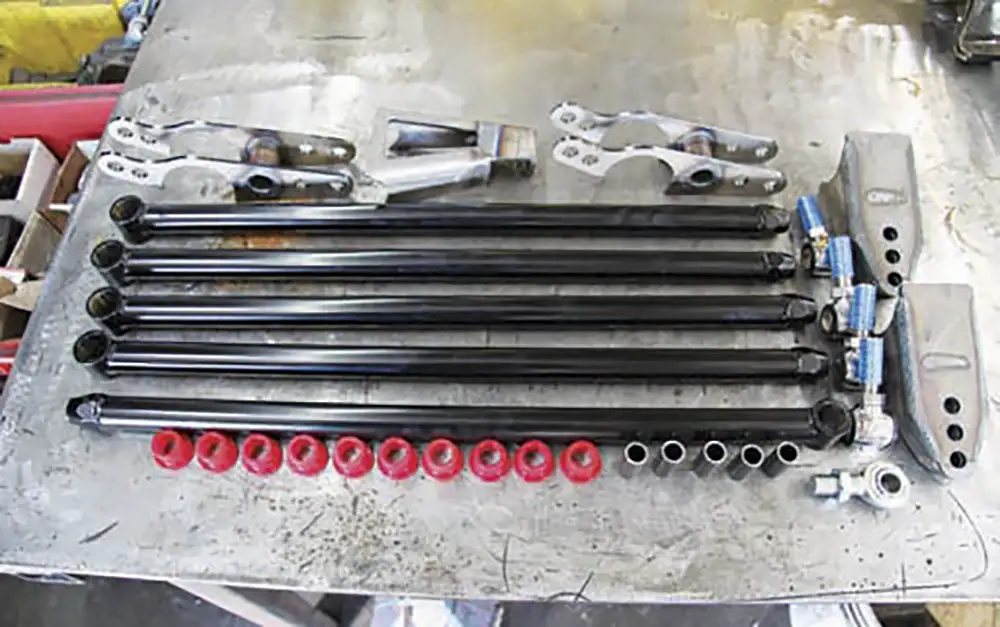
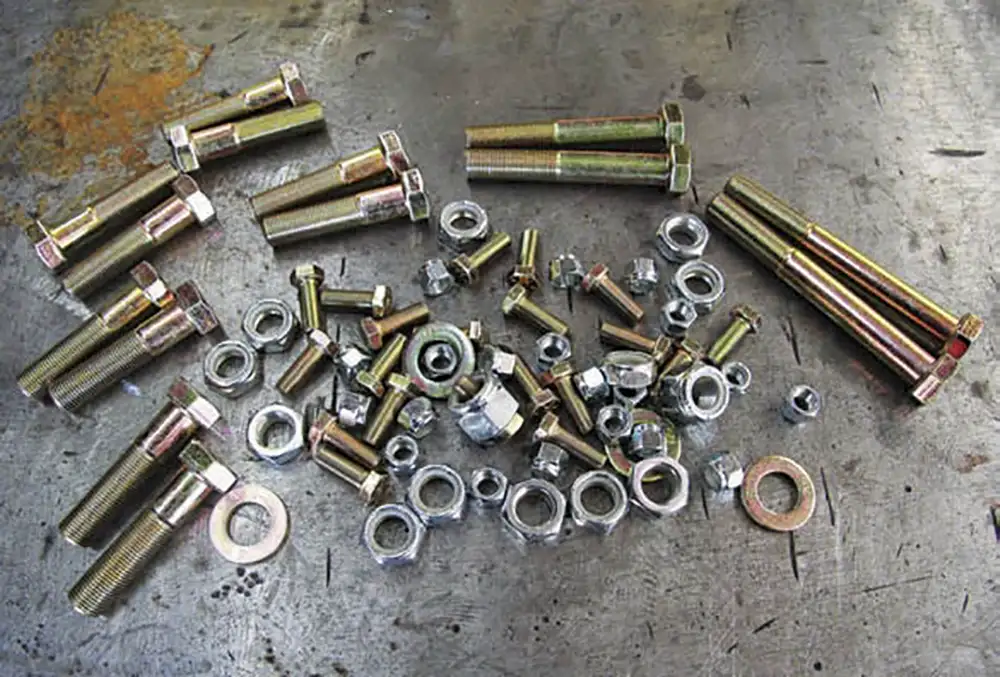
Hands down one of the best combos to handle power has been the Ford 9-inch rear differential paired with a 4-link suspension system. In the racing world these two are a better pair than peanut butter and jelly because they seem to work well under any type of vehicle and can really take a beating.
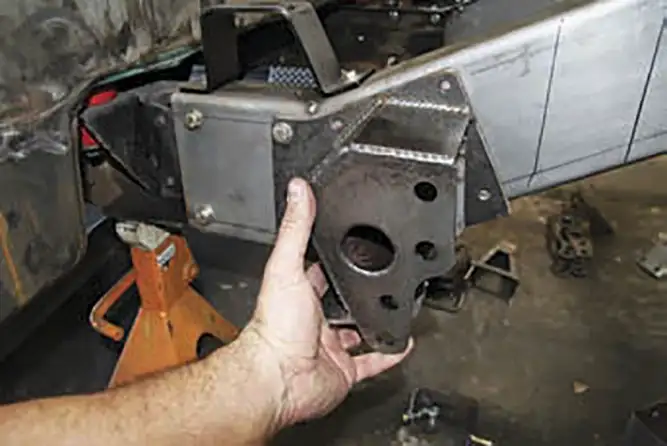
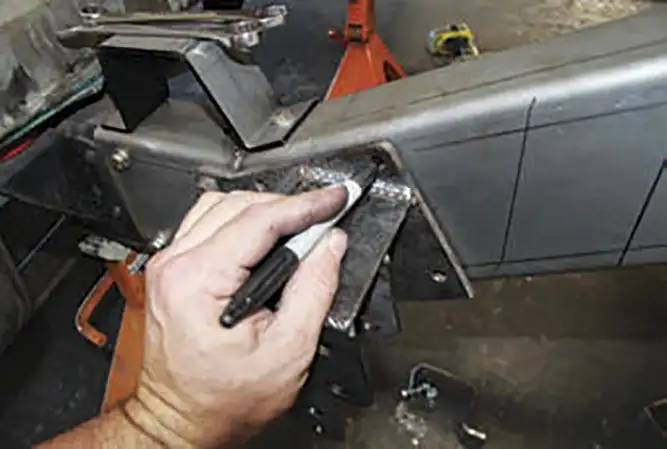
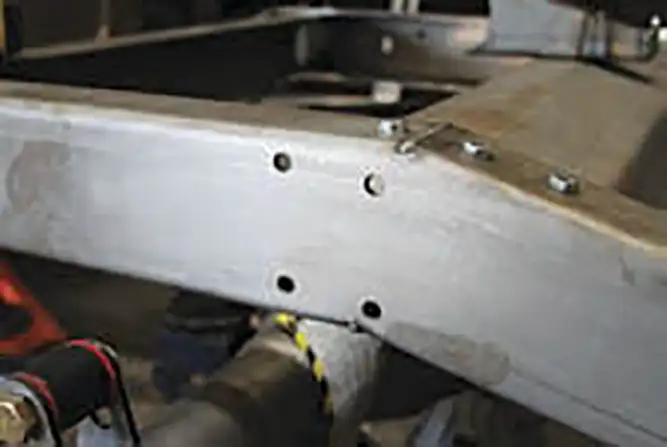
We wanted to show you just how easy it is to install this pair on the back of a ’68 C-10. We ordered a Currie Enterprises 9-inch Ford-style housing built to our specs that allowed us to squeeze 12 ½ inches of rubber on either side of the bed. Connecting and directing all of the power from the engine to the diff is No Limit Engineering’s Fat Bar 4-link system. No Limit’s kit has everything you need to mount a 4-link-style suspension to your C-10-based vehicle, including an adjustable panhard bar that will allow you to tune your truck to handle more torque and smooth out the tight curves. ST
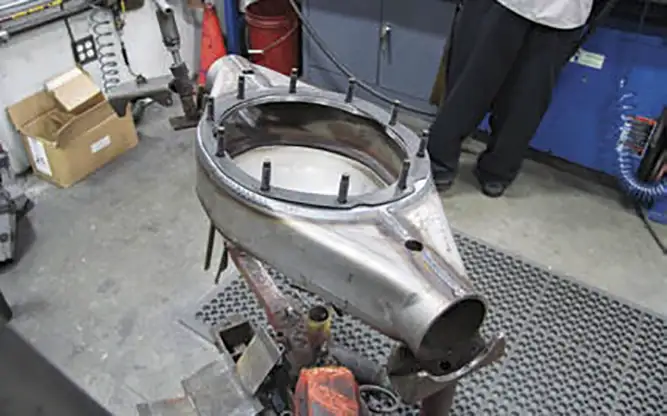
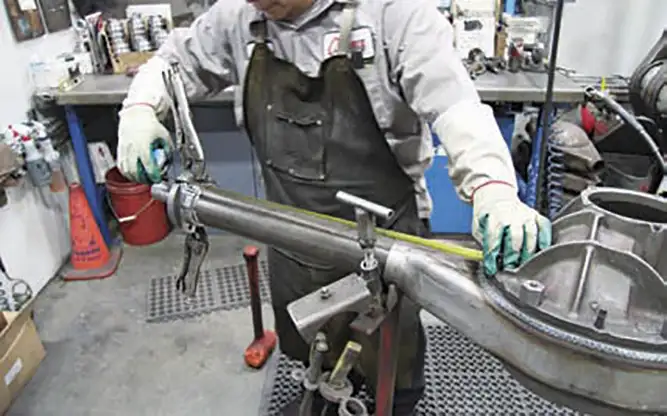
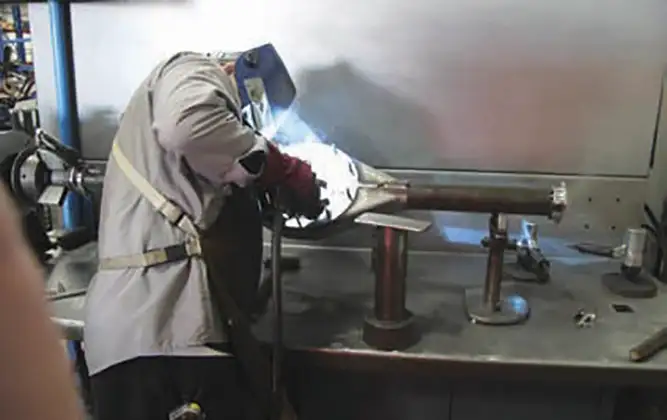
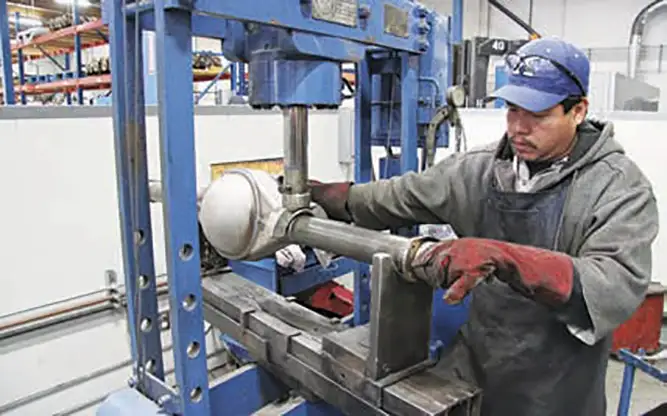
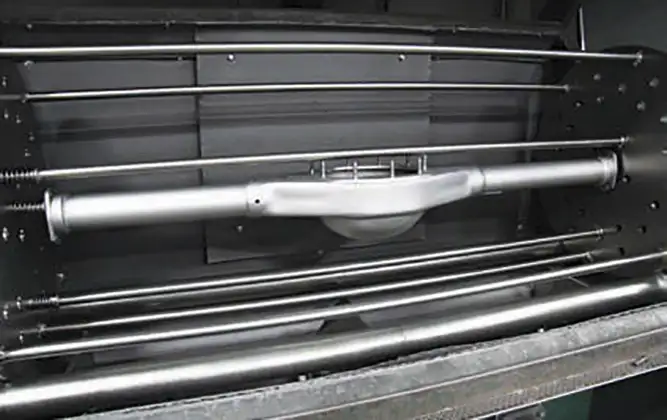
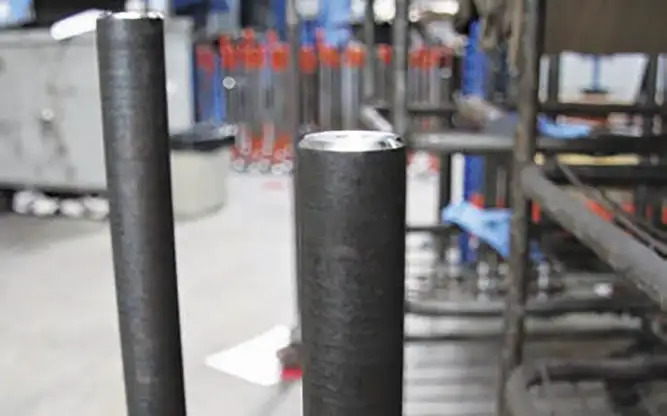
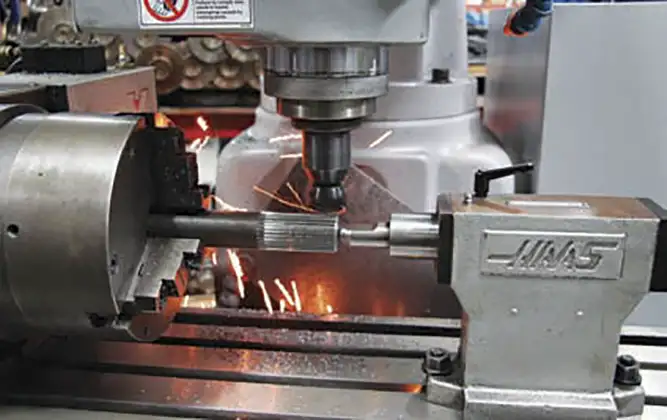
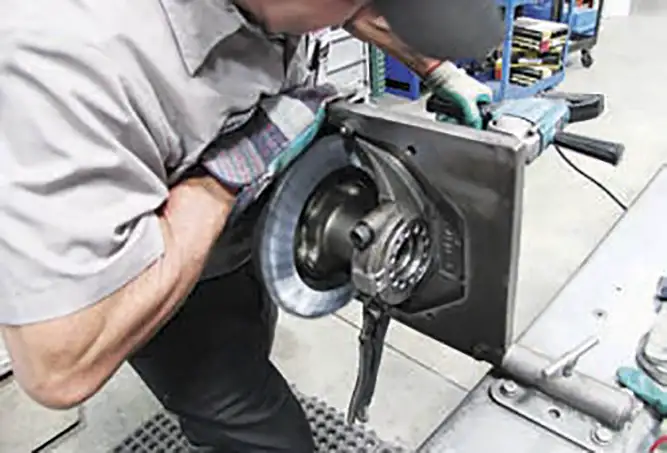
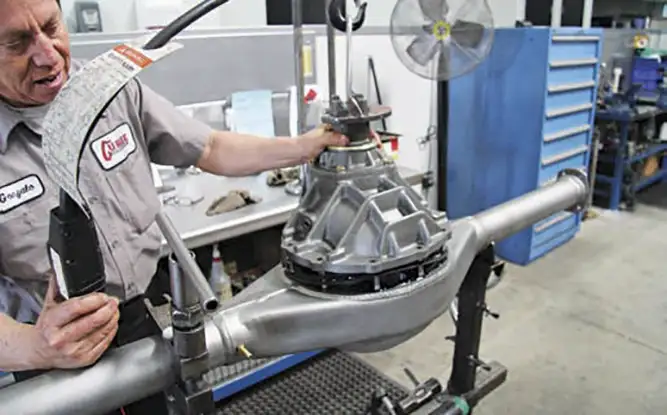
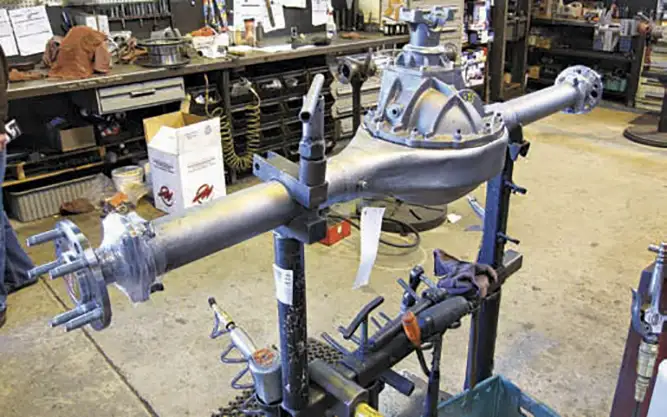
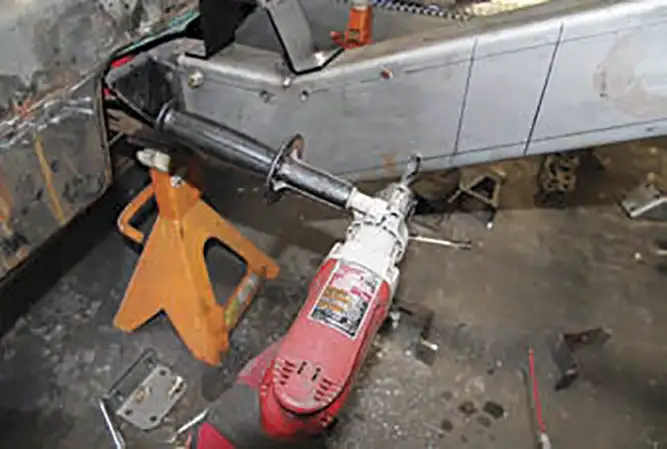
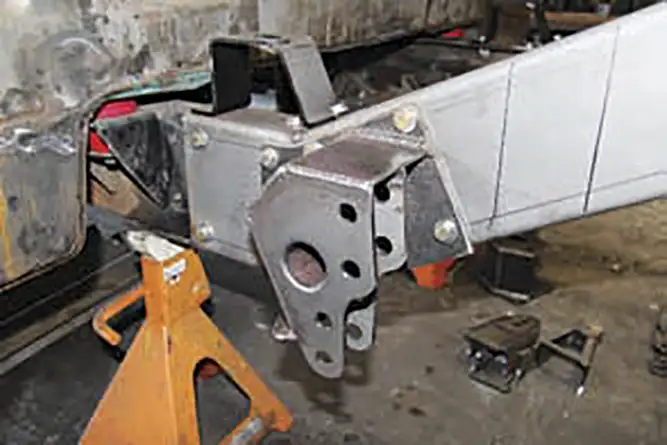
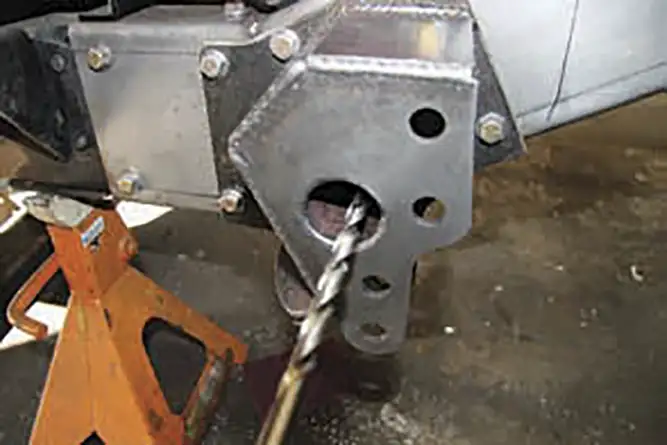
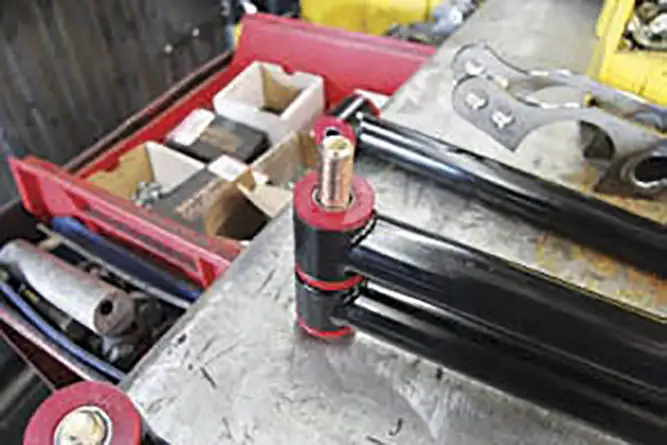
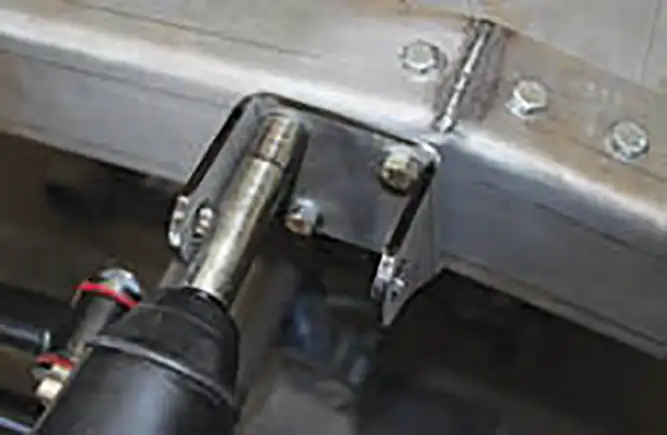
[01] Currie has been manufacturing Ford-style housings for decades. This unique housing features the early round back cover with the later wide axle webbing featured on later model housings. This combo gives the housing more strength and looks good.[01a][02] After the third member housing and axle tubes are set into place per the specs of the customer’s requested width, the outer flanges are set into a jig and tack welded together. Then the housing moves to another station where the measurements are double-checked before it’s set into a rotating fixture where the tech welds all of the joints together continuously in one strong pass.[02a][03] Next the housing moves to another technician who measures straightness to ensure that the housing is true. Then it’s on to the media blaster where the housing is deburred and cleaned to create a consistent finish that will accept paint.[03a][04] Currie manufactures its axles in extended lengths that can be cut down to customer specs. After the axles are cut they receive a quick chamfer grind on the end so the axle will slide into the carrier easily, then it’s on to the broaching machine, which cuts splines into the axles to fit into the carrier’s splines.[04a][05] Eaton’s Tru-Trac carrier is the perfect choice for street driving because it blends the performance benefits of a locker-style carrier with the drivability of a limited slip carrier. It acts as the heart of the third member without the rest of the internals, such as Currie’s 9+ case, the motive gear ring and pinion set.[05a][06] There’s more to setting up a third member gear set than meets the eye. Proper ring-and-pinion alignment is critical to good wear and tear. Currie’s talented technicians make this look like child’s play. Every third member is assembled to proper specs, tested, and then rechecked to ensure it’s done right the first time.[06a][06b][07] The last stop is the final assembly area where the third member and the axles are installed, but first, all of the components and measurements are checked against the customer’s build sheet. After assembly, the completed differential is loaded onto a pallet and shipped to the customer.[07a][08] For added horsepower a No Limit Engineering back-half frame kit was installed to accommodate the extra cross members and create greater strength. Take a look at No Limit’s Fat- Bar 4-link kit; nothing has been spared. It includes, not only the 4 bars and adjusters, but also all of the mounting cages, upper and lower shock mounts and Grade 8 fasteners.[08a][09] After the back-half kit was bolted on, we grabbed the front bar cage and located the mounting point on the side of the frame that corresponds with one of the mounting holes on the back-half kit. Don’t worry if you’re not using No Limit’s back-half kit with the Fat Bar system; this kit will work with the stock C-10 rails as well. Once the cage was in place, we marked the holes with a Sharpie and drilled through the frame rails.[09a][09b][10] Now it’s time to mount the cage to the frame using the supplied fasteners that came with the Fat Bar kit. Once that was in place we noticed that we had some extra hardware, a quick look at the cages showed us that we missed a hole in the center of the cage. We needed to drill a hole in the frame using an extra long 3/8-inch drill bit, which could have been avoided if we’d measured first.[10a][10b][11] Here is where a lot of people make mistakes on a 4-link set up. All four of the bars need to be the exact same length to ensure that the wheelbase is square to the front wheels. An easy way to set the bar and adjusters up is to slide the solid end over a bolt, then lube the adjusters with anti-seize paste and turn in the adjusters to the desired length to match the wheelbase. To duplicate for the remaining bars, use another bolt to slide the bars together until they’re all square.[11a][11b][12] Measure the front cages from outside to outside, and center the housing in the frame rails.[12a][13] Double-check the outside flange-to-frame-rail measurement just to make sure that the diff is centered in the frame rails. Now measure the distance from the outside of the frame rail to the outside of the rear link mount and make sure that the bars are mounted parallel to the frame rail.[14] To set the pinion angle we used a degree wheel like this one available from Harbor Freight. With the pinion angle set at 4 degrees up, or positive, we used a tie-down strap to hold everything snug before we tack welded the rear bar mounts to the axle tubes.[14a][14b][15] The same degree wheel helped us square the lower coil-over mounts to the housing before they were tacked to the housing.[16] Next, the upper coil-over mounts were a breeze to install on the No Limit back-half kit, because the holes for the upper bracket were already drilled out for the mount. All we had to do was install the mount using the fasteners that came with the kit.[16a][16b][17] Now that we had everything mocked-up, we double-checked our measurements one more time before moving on to the panhard bar mounts.[18] Panhard bar placement is always a hot topic. For trucks, a longer bar located in a neutral angle works well for lateral control, plus mounting the bar to the driver’s side of the axle and to the passenger side of the frame works better for driving on asphalt.[19] With everything in place, let the welding begin! Next time we will install a set of Ride Tech adjustable coil-overs and Wilwood brakes.
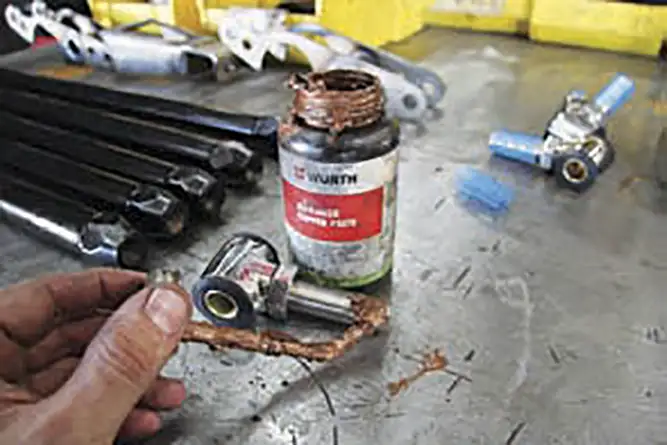
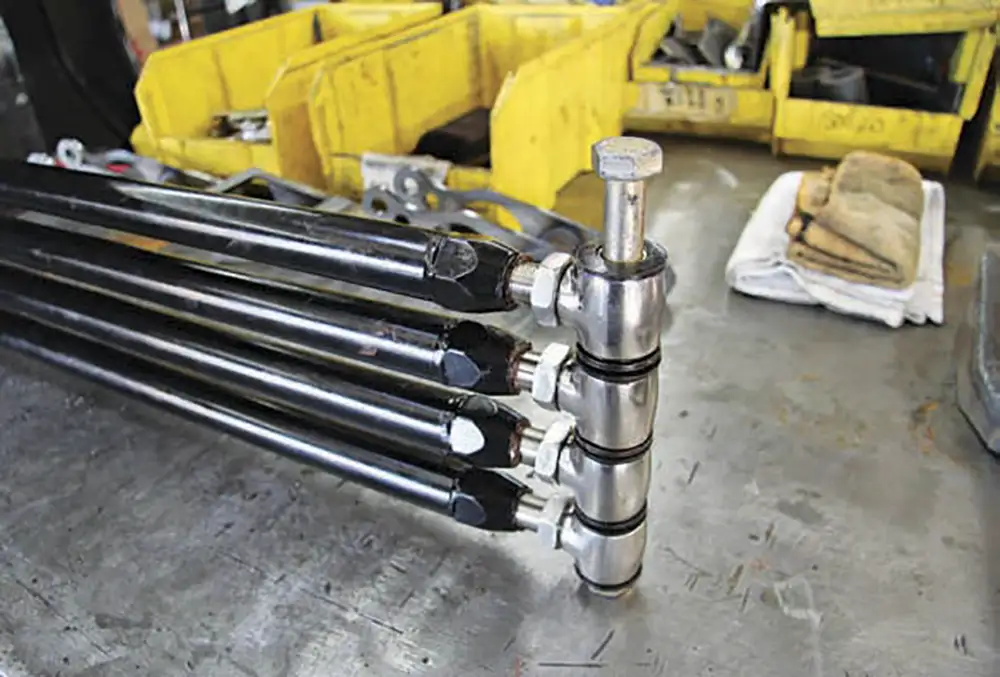
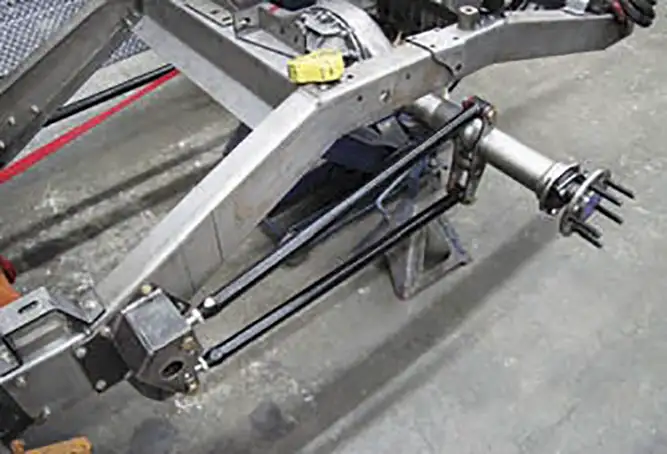
We use cookies to enhance your browsing experience, serve personalized ads or content, and analyze our traffic. By clicking "Accept All", you consent to our use of cookies. Visit our Cookie Policy for more info.
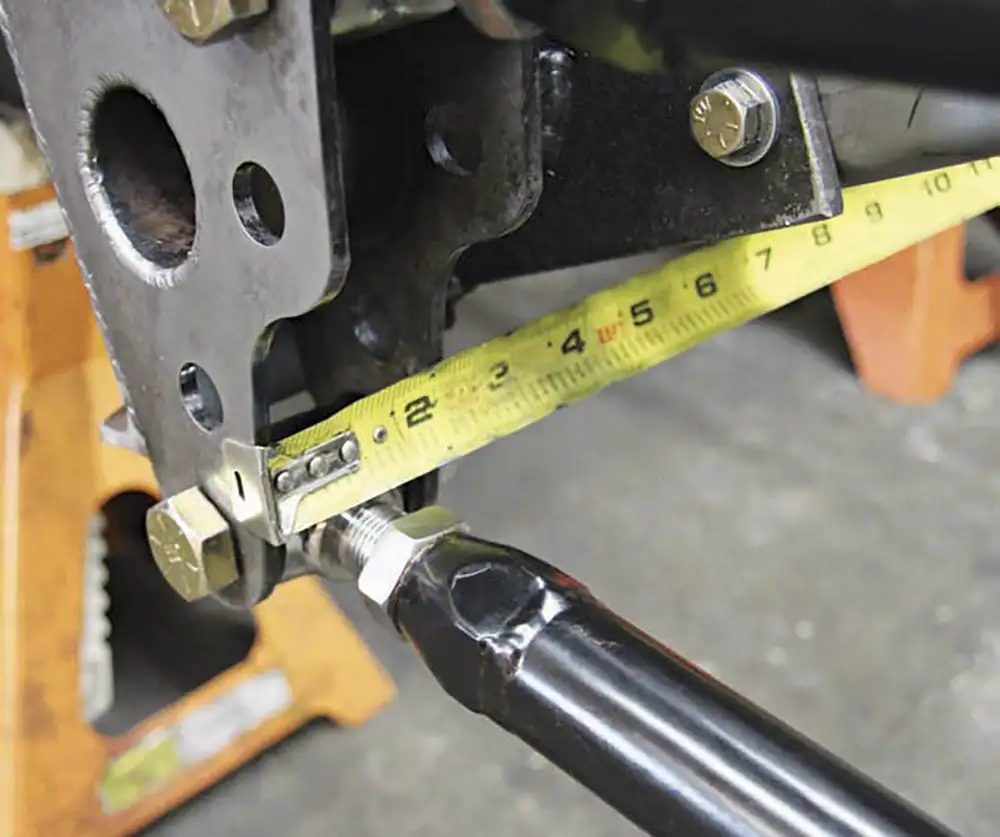
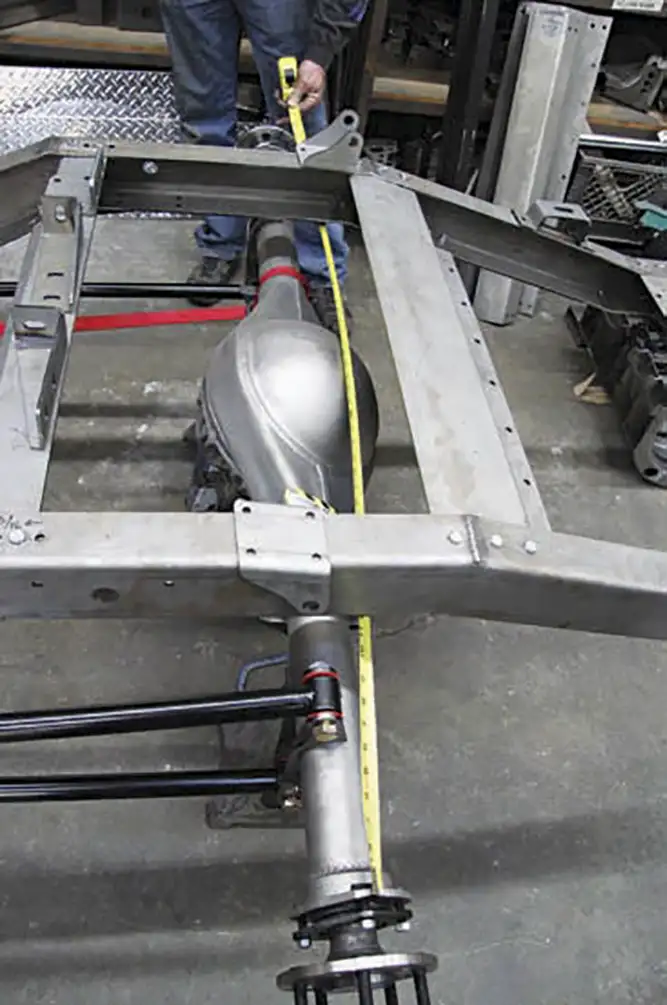
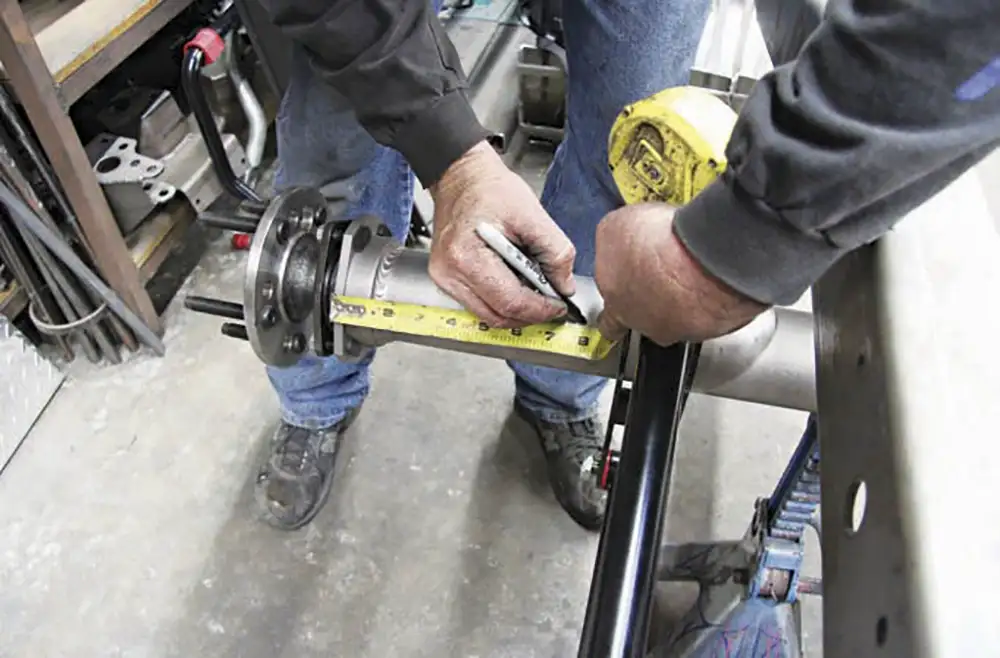
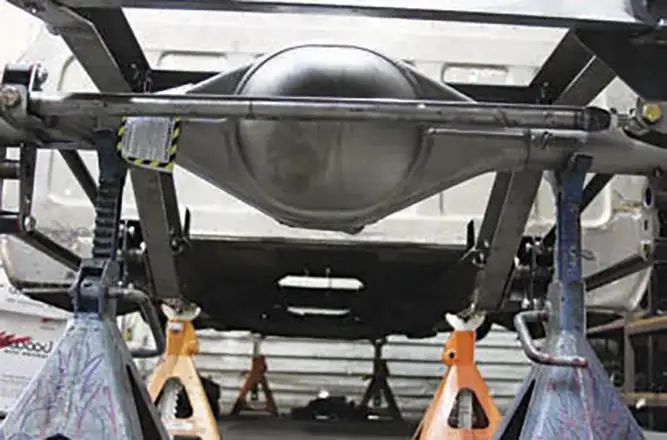
Share Link