








 STREET TRUCKS STAFF
.
March 27, 2026
.
Industry News
.
STREET TRUCKS STAFF
.
March 27, 2026
.
Industry News
.
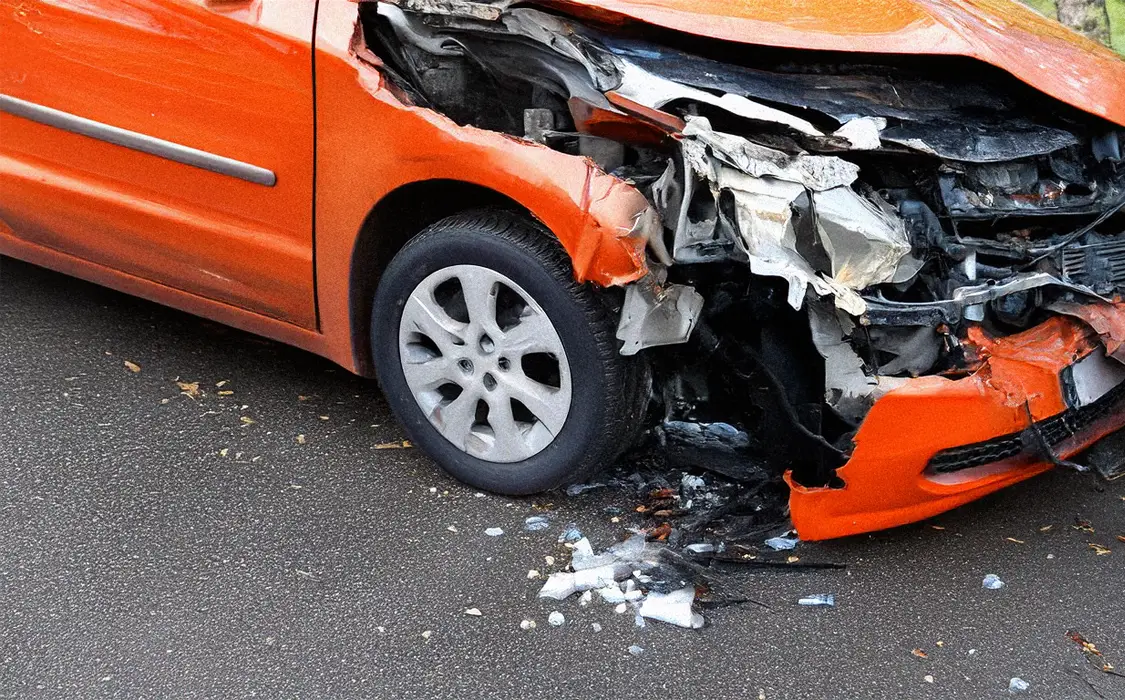
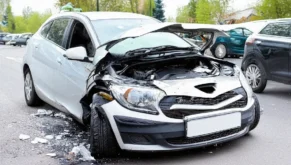
Indiana roads carry a heavy load every day, including commuters, commercial trucks, delivery vehicles, and regular drivers, all pushing through the same lanes. That kind of volume means accidents are inevitable, and the consequences, physical, financial, and legal, can be far-reaching.
According to the Insurance Institute for Highway Safety, Indiana recorded 898 road fatalities in 2023, reflecting the serious and ongoing risk that drivers across the state face every day.

Most people go in thinking it’s simple: you file a claim, the insurance company pays out, and life moves on. But it rarely works that way. If someone else’s negligence caused your crash, talking to an Indiana car accident lawyer early significantly strengthens your position before the insurance company begins shaping the narrative in their favor.
The first thing to know about Indiana law is how fault is determined and applied. Indiana follows a modified comparative fault rule, which means you can still recover compensation even if you were partly to blame, as long as your share stays under 51 percent. Any percentage of fault attributed to the claimant is deducted proportionally from the total award.
Insurance carriers routinely attempt to elevate the claimant’s assigned fault percentage as a strategy to reduce their financial exposure. Retaining qualified legal counsel who can contest those attributions with evidentiary support can be the difference between an equitable resolution and an inadequate recovery.
Indiana gives accident victims two years from the date of the crash to file a personal injury claim. Miss that window, and you lose the right to compensation, regardless of how strong your case might otherwise be. Two years can feel like a long time, but between ongoing medical treatment, recovery, and the disruption that follows a serious crash, that deadline has a way of arriving sooner than expected.
Initiating the legal process early also serves to preserve critical evidence before it disappears. Witness memories fade over time, surveillance footage gets overwritten within days or weeks, and physical evidence at the scene disappears quickly. Prompt engagement with the claims process maximizes the evidentiary foundation available to support the claim.
A car accident claim in Indiana goes well beyond vehicle repairs. Depending on your situation, you may be able to claim the following:
The more comprehensively damages are documented from the outset, the more difficult it becomes for the insurer to minimize or dispute the valuation of the claim.
Not all accident claims work the same way. A standard two-car collision is handled very differently from one involving a commercial vehicle.
Truck accident claims implicate multiple parties who may share liability, federal trucking regulations, and separate insurance structures that render the process considerably more complex than a standard passenger-vehicle claim.
Insurance adjusters are trained to move quickly and settle for as little as possible. They may reach out within days of the crash, present themselves as cooperative, and extend an offer before the full extent of your injuries or projected recovery costs has been established. Accepting an early settlement offer almost always results in recovering substantially less than the claim’s actual value.
Claimants should refrain from providing recorded statements without prior legal counsel and should not execute any releases until the full scope of the waiver is clearly understood. Once a settlement is signed, that agreement is final, regardless of how the claimant’s condition develops thereafter.
The period following a serious car accident is legally consequential. Evidence must be preserved, statutory deadlines must be observed, and liability must be properly contested before insurers consolidate their position. Claimants who retain qualified legal counsel early in the process are substantially better positioned to secure compensation that accurately reflects the full extent of their damages, medical, financial, and otherwise.


Department
ON THE COVER: Fat Fender Garage knocks it out of the park again with this amazing ’76 F-150 4×4. Photo by the always amazing Johnny… Continue reading
Chris Hamilton . November 19, 2020
Department
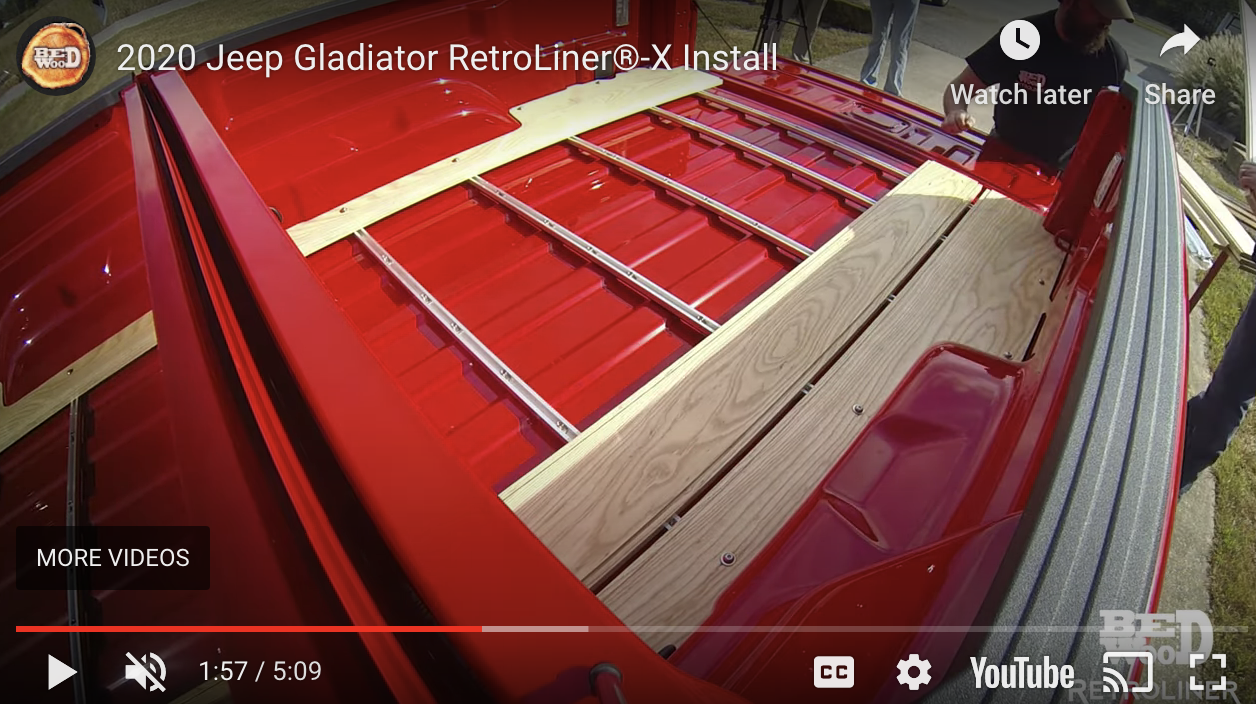
Bed Wood and Parts RetroLinerX™ kits include the Ash BedWood, Polished Stainless Bed Strips, Polished Stainless Hardware, aluminum channels and end piece to tie it… Continue reading
Chris Hamilton . January 21, 2021
Events
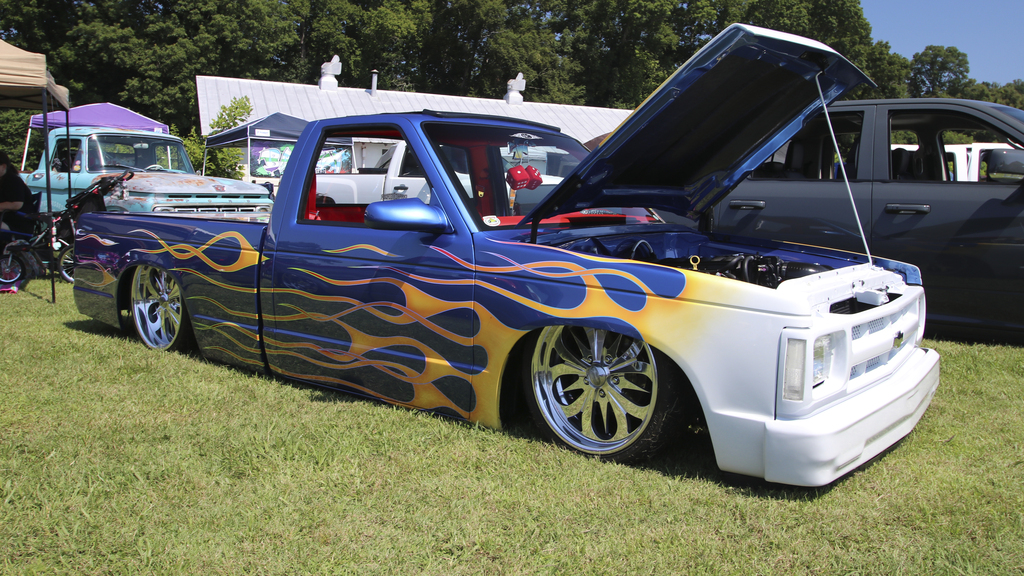
East Tennessee Showdown is back again for round two. Sponsored by Direct Paintless Dent Repair. To be held once again at the East Tennessee Distillery… Continue reading
BRANDON BURRELL . July 01, 2019
Department
Info From an Industry Insider The holiday and SEMA seasons are upon us. At the time of this writing, many truck enthusiasts are thrashing away… Continue reading
Jason Ballard . November 17, 2025
C10 Builders Guide
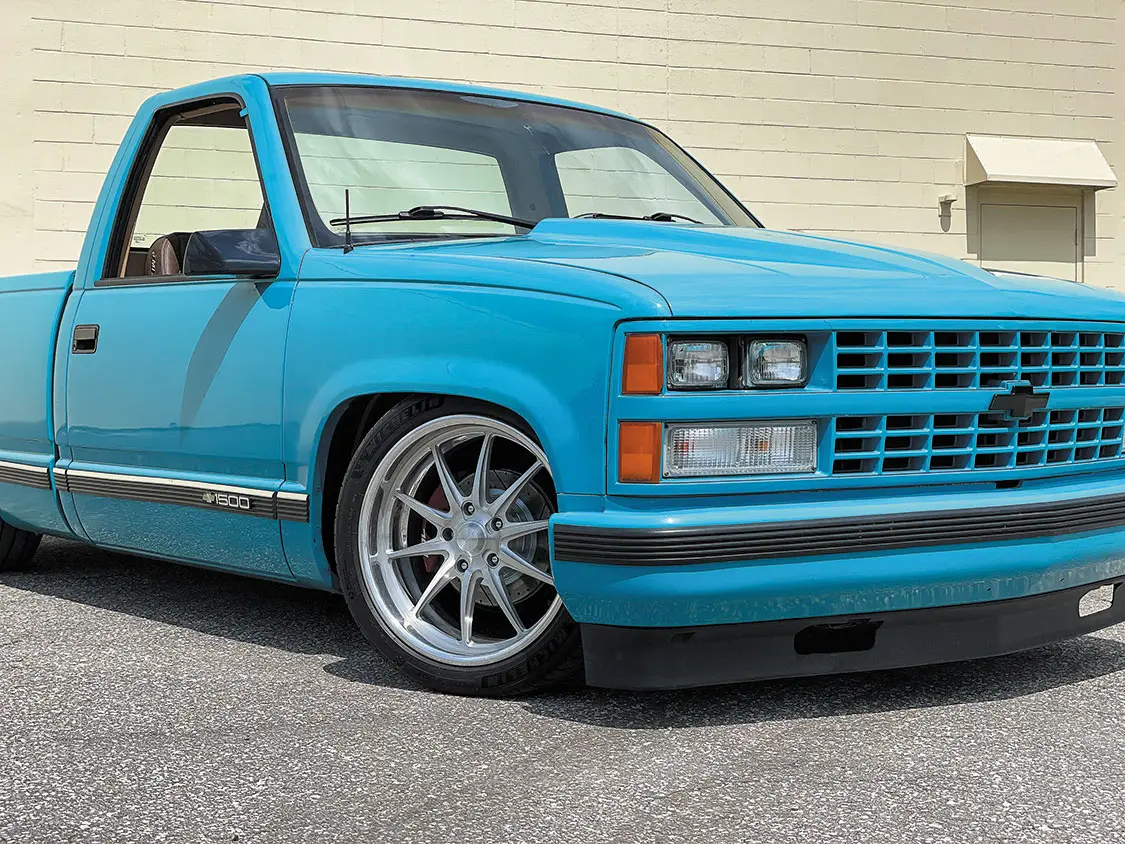
Summit Racing Engine Replacement and a TCI 700R4 Transmission Welcome back to our exciting build series on our 1988 Chevy OBS truck, where we continue… Continue reading
Chris Hamilton . October 04, 2023

Department
Thanks to Upstart for sponsoring this video. Check your rate today at http://upstart.com/FASTLANE ( https://www.allTFL.com ) Check out our new spot to find ALL our… Continue reading
Adam Johnson . May 20, 2022





Share Link