








 STREET TRUCKS STAFF
.
January 08, 2026
.
Industry News
.
STREET TRUCKS STAFF
.
January 08, 2026
.
Industry News
.
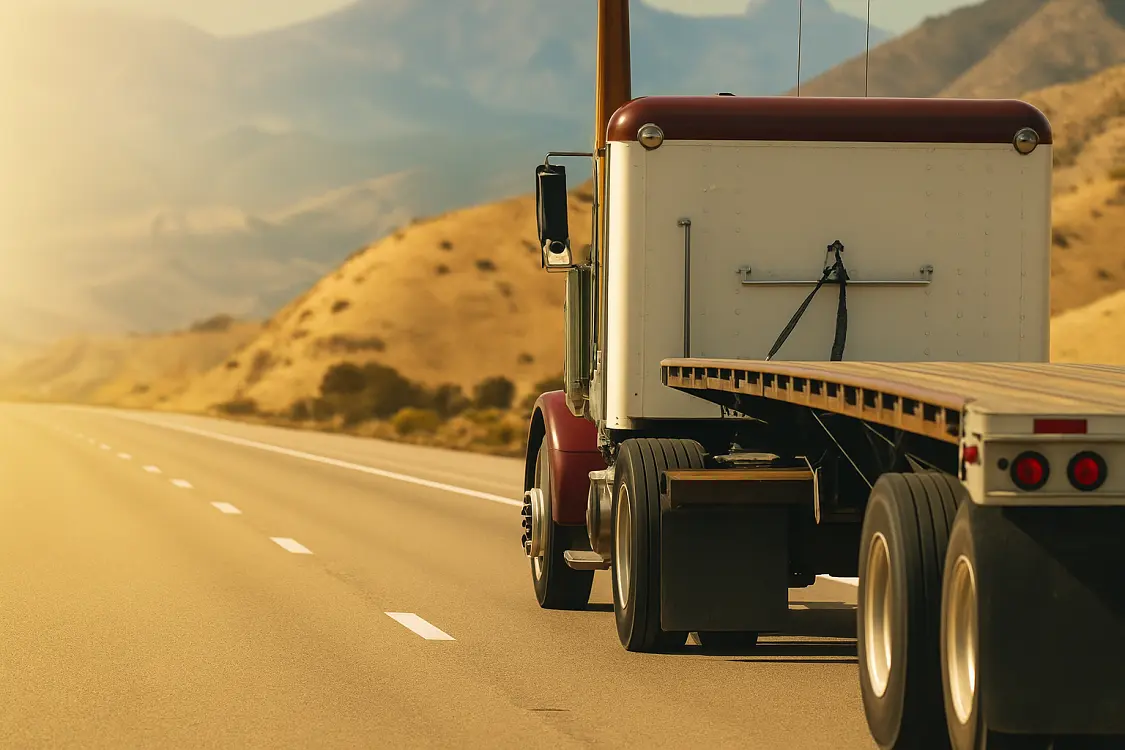
If you run as an owner operator, your truck is not just transportation. It is your income engine. Every breakdown is two bills at once: the repair bill and the “did not earn” bill.
Good maintenance does not mean you never have problems. It means you control the problems. You catch them early, fix them on your schedule, and avoid the roadside disasters that wreck a week.

This matters even more with open deck work. Flatbed and step deck freight shakes equipment harder, exposes your trailer to weather, and asks more from your braking system, tires, lights, and securement gear. If you are shopping for steady work like flatbed owner operator jobs, reliability becomes part of your value. Dispatch can find freight. Maintenance keeps you eligible to run it.
The biggest mindset shift is simple: stop treating maintenance as a random event.
Treat it like a weekly operating system with three goals:
When you do that, you stop guessing. You start running numbers.
A simple example: if you set aside $0.12 per mile into a maintenance reserve and you run 2,800 miles in a week, that is 2,800 x 0.12 = 336. That is $336 put away before you spend anything else. Do that consistently and a surprise repair stops feeling like a disaster.
You can pick your own number. The point is to pick one and stick to it.
Most people only think about oil changes and big repairs. Real maintenance is wider:
If you run flatbed, your trailer and your securement equipment are not accessories. They are core assets. A worn strap or cracked rub rail can cost you just as fast as a bad alternator.
Owner operators who stay profitable usually do the same walkaround every day. Not a casual glance. A repeatable routine.
Here is a practical way to do it without turning it into a 45 minute ritual.
Start at the driver-side steer tire and circle the unit.
If you do this the same way every day, you start spotting “new” problems immediately. New is what matters.
Even if you never get pulled into a scale, you still operate under the same rules. A few items get drivers placed out of service constantly:
Tires
Federal minimum tread depth is 4/32 on steer tires and 2/32 on other positions. Do not run near the edge. The math never favors you.
Brakes
If your brakes are out of adjustment or components look damaged, enforcement will find it. Uneven wear also tells you something is wrong long before a violation happens.
Lights
It feels minor until you meet the wrong officer on the wrong night. Trailer wiring failures are common and preventable.
Load securement
Flatbed work has higher scrutiny for obvious reasons. Worn straps, missing edge protection where needed, loose chains, or damaged binders can turn into tickets, delays, or worse.
A lot of people have “plans” that look good on paper and fail in real life. You need a schedule that matches how you run.
Here is a realistic structure.
Follow your engine manufacturer and your oil analysis results if you use them. Do not copy someone else’s interval blindly. Your idle time, loads, and terrain change everything.
Tires cost money, but they also decide fuel economy, safety, and downtime.
A few habits separate pros from gamblers:
If you run flatbed, remember your loads often sit higher and create different weight distribution. That can show up as uneven wear. Adjust your habits, not just your tire brand.
Brakes are not the place to “see if it lasts another run.”
Common early signs:
Wheel ends are the same. If you see oil around a hub, feel unusual heat, or hear grinding, handle it now. Wheel end failures do not negotiate. They explode your schedule.
Overheating is one of the fastest ways to ruin a trip and sometimes an engine.
What you should watch:
If you keep adding coolant, you have a problem. “Topping off” is not a fix.
Trailer wiring and lights fail constantly because wires rub, corrode, or get pulled.
Practical fixes that work:
Flatbed trailers live in the open. Rain, salt, and road debris hit everything. If you protect your wiring, you cut your late-night light failures in half.
With open deck, the trailer takes a beating from forklifts, coils, pipe, steel, and job sites. Here is what gets ignored until it turns expensive:
Deck and crossmembers
Loose boards, cracked boards, and damaged crossmembers do not just look bad. They cause load stability issues and can become safety hazards.
Rub rails and stake pockets
Cracks and bends spread. If you see fresh cracks or deformation, handle it before it grows.
Winches and tracks
Winches that bind or slip are dangerous. Clean and lubricate where appropriate and replace worn components. A winch failure under tension can hurt someone.
Landing gear
Landing gear fails at the worst time, usually when you are tired and in a hurry. Keep it greased, watch for bent legs, and do not ignore grinding.
Securement gear
Retire straps with cuts, frayed edges, or damaged stitching. Replace binders that do not hold tension smoothly. Check chain links for stretch and damage.
A lot of claims begin with “it looked fine.” Make your gear actually fine.
Some owner operators take pride in fixing stuff on the road. Respect, but that is not a business model.
The money move is to reduce unplanned repairs by handling the small stuff early:
If you wait, the truck picks the time and place. It will choose the most expensive option.
You do not need fancy software. A spreadsheet works.
Track:
Why track symptoms? Because repeated failures are not “bad luck.” They are clues.
Example: if you keep replacing alternators, you may have a wiring or grounding issue. If you keep destroying steer tires, alignment or suspension is probably off. The log helps you stop paying for the same problem repeatedly.
Not every shop is built for your operation. The cheapest quote can cost you the most if the repair fails and you lose two days.
A practical approach:
If you run under dispatch and you want consistent freight, this is part of being dependable. Carriers love operators who do not disappear for three days over predictable wear items.
A lot of owner operators think hiring is only about experience and rates. Equipment condition matters too.
Carriers and shippers want fewer surprises:
If you are exploring flatbed owner operator jobs, your maintenance habits become part of the deal, even if nobody says it out loud. Clean, well-maintained equipment usually means fewer service failures. That makes dispatch easier, and you get better loads more often.
The owner operator who wins long-term does not rely on luck. They rely on routine.
Walk your equipment daily. Inspect with intention. Track issues. Budget for repairs before they happen. Protect your trailer and your securement gear like the assets they are.
Maintenance is not glamorous, but it is one of the few things you can control in a market you cannot control. When rates dip, maintenance discipline is what keeps you profitable instead of just busy.

c10
Check out this labor of love and see Austin’s boosted 4WD C10 truck in this film about the build process and its ups and downs!… Continue reading
STREET TRUCKS STAFF . December 05, 2022
C10 Builders Guide
THE CULT OF personalities that harbor in this large but tightknit community of Chevy C10 diehards include some of the most passionate and determined gearheads… Continue reading
Chris Hamilton . August 14, 2019

Industry News
Images Finally Released! The New Chevrolet 2020 Silverado HD line of trucks! What are your thoughts? Chevrolet Colorado ZR2 Bison The Chevrolet Colorado ZR2 Bison is… Continue reading
Chris Hamilton . December 04, 2018

c10
FEATURES TAKE IT EASY Build a Dream Truck at Your Own Pace MONEY SHOT Metalox Morgan’s Badass C10 Making Waves THE FOREMAN Utilitarianism at Its… Continue reading
Chris Hamilton . February 25, 2020
Department
On July 11, the 10th annual Southeastern Truck Nationals (SETN)—the largest all-GM truck event east of the Mississippi—kicked off at an all-new location in Lebanon,… Continue reading
streettrucks . November 09, 2020
Department
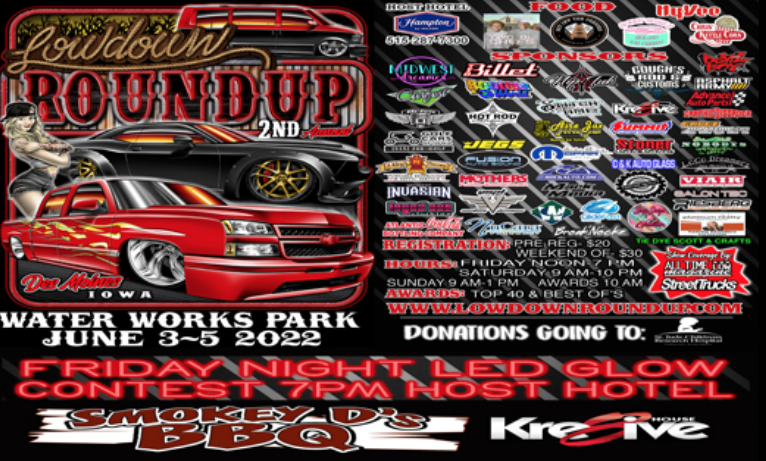
Thanks to Heidi Henckel for the list Here are the Best Of Awards from Lowdown Roundup 2022 Held June 3rd thru June 5th at… Continue reading
Adam Johnson . June 08, 2022






Share Link