










 STREET TRUCKS STAFF
.
April 30, 2026
.
Industry News
.
STREET TRUCKS STAFF
.
April 30, 2026
.
Industry News
.
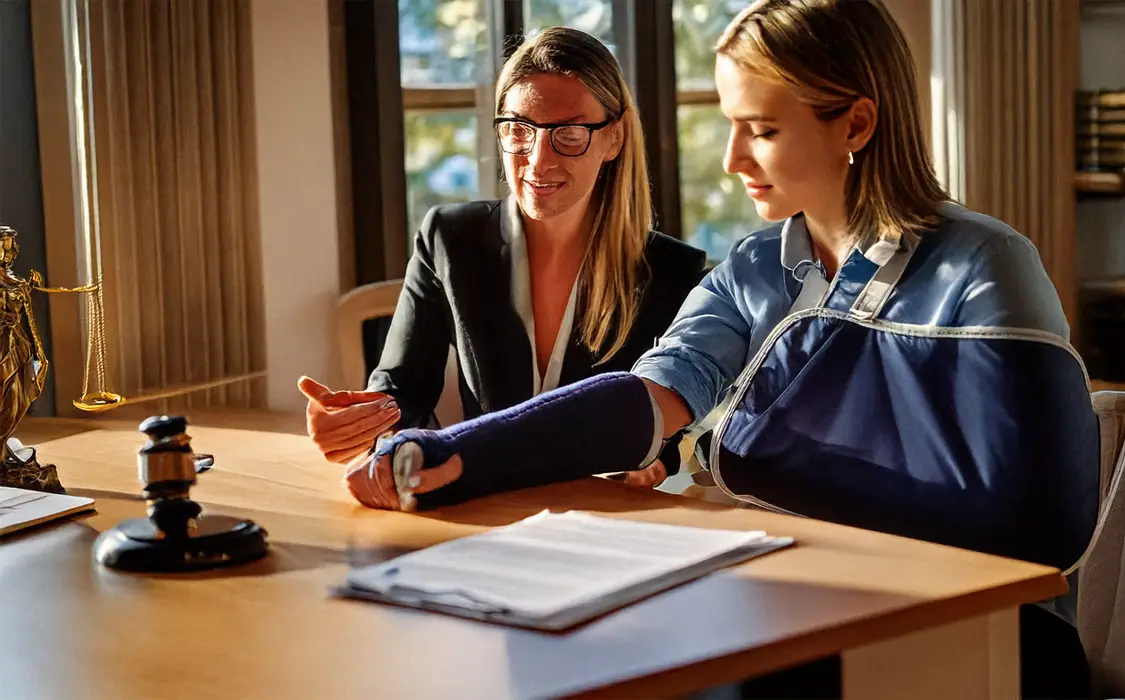
In New York City, where millions of people navigate busy streets, crowded transit systems, and active workspaces every day, injuries from accidents are unfortunately common. An injury can throw a wrench in our daily routine, and uncertainty can bring about a sense of confusion. At these moments, it seems normal to hesitate. Still, almost always, prompt action after an incident can be critical to preserving legal rights. If you’ve been hurt, reaching out to Grigor Law Injury & Car Accident Lawyers early on can help you understand your options from the start.
Delays can result in missing evidence, faded memories, and statutes of limitations running out, which may ultimately jeopardize a potential claim. When a party understands that the clock is ticking, they can better protect their interests and strengthen the legal proceeding that needs to take place. Here’s a closer look at why acting quickly after an injury matters and how it can protect your legal claim.
Injuries happen unexpectedly, and the initial action taken can provide crucial evidence. Still images of the incident, the resulting injuries, and the damage incurred to the property offer a transparent evidence trail. Testimonies are most precise when collected shortly after the event. Objects may be damaged or unsafe, and evidence may be destroyed or changed very quickly. Timely capturing of these details ensures factual accuracy of the account and improves credibility.
Statutes of limitation are time limits by which every injury claim must be filed. The dates are important, specifically the deadlines by which someone must initiate a suit. You lose the right to be compensated for a valid claim because you missed these cutoffs. By being proactive, you ensure that all requirements are fulfilled in time so as to avoid missing the boat.
There are twofold roles of timely medical care. For one, it aids in the physical healing process and prevents complications. Secondly, any medical records from these appointments become important evidence. According to Cornell Law, medical documentation is one of the key elements in establishing the connection between an accident and the injuries sustained. Health provider documentation is evidence of the extent of your injuries with respect to the demands for treatment. Delayed seeking of treatment may raise questions as to whether the injury was serious, and the potential link between the accident and the injuries may be weakened.
Memories of an accident can slip away fast. They are more memorable impressions that become fuzzy over time. When they record their version of what happened immediately, it helps in keeping it correct. This preserves important details as well by encouraging witnesses to write down their observations shortly after the incident. Accounts that are clear and consistent help the claim and build the case of a truthful narrative.
You can also make the process easier by promptly reaching out to insurance companies, medical professionals, and legal advisors. Notifying insurers regarding potential claims as soon as possible avoids unnecessary coverage disputes. Speaking to a lawyer shortly after the incident helps inform them about what their rights and responsibilities are, as well as what subsequent steps to take. These actions protect all crucial interests throughout the claim and minimize the risk of miscommunication.
It is easy for emotions to get the better of you following an accident. Be careful with knee-jerk decisions about admitting fault or taking an early settlement, which may not be in your long-term best interests. Taking a moment gives people an opportunity to receive trusted information before speaking or signing papers. This cautious process lowers the potential for mistakes that could be damaging to a case.
So, these proactive steps are part of the groundwork for any legal case, and then, of course, the damage that you sustained is also part of that. Clear documentation, factual witness accounts, and timely medical records are also important. This step shows the complete story, making it easier to prove causation and damages from the injury. Taking action quickly expresses seriousness, and assistance gains acceptance of the claim.
With physical evidence preserved and deadlines followed, negotiations with insurers or the responsible parties proceed efficiently. Keeping good records and maintaining constant communication are the keys to achieving a fair settlement. Getting it sooner helps people get reimbursement for medical services, loss of income, and more.
It can provide a great deal of protection for even a legal claim when responding promptly after an injury. Taking early action helps to collect critical evidence, comply with relevant limitation deadlines, and ensure that key documentation is preserved. These actions ensure that individuals have the best chance to pursue fair compensation and reach a satisfactory outcome. During a difficult time, decisions that are thoughtful and timely would make all the difference.



Industry News
Image Source: https://unsplash.com/photos/a-black-truck-parked-on-the-side-of-a-road-UkCDdBELAZ8 A strange figure appears occasionally on the streets of the city at night. It is not a sports car. It is not a… Continue reading
STREET TRUCKS STAFF . December 30, 2025

Industry News
Photo by: images.unsplash.com The bridal car is more than just a mode of transport. For the couple, it sets the tone for their big wedding… Continue reading
ST-STAFF . June 09, 2025

Industry News
Rams are known for their stubborn attitude. In the case of the 1500, the pickup truck might as well be known for its stubborn tendency…… Continue reading
Chris Hamilton . June 11, 2019

c10
New Tricks for a Timeless Hauler There’s a small part of the soul of every enthusiast reserved for dreaming about what it would be like… Continue reading
Mike Alexander . February 11, 2021

Department
Online Premiere tickets https://www.eventbrite.ca/e/metal-reb… On this episode of Make it Kustom, I’ll show you how to make a quick and easy punch tool that will… Continue reading
Adam Johnson . February 22, 2022

Industry News
In Gilmer County, where winding highways connect small communities and commercial trucks frequently share the road with local drivers, accidents involving large vehicles can have… Continue reading
STREET TRUCKS STAFF . April 13, 2026


We use cookies to enhance your browsing experience, serve personalized ads or content, and analyze our traffic. By clicking "Accept All", you consent to our use of cookies. Visit our Cookie Policy for more info.





Share Link