










 STREET TRUCKS STAFF
.
April 03, 2026
.
Industry News
.
STREET TRUCKS STAFF
.
April 03, 2026
.
Industry News
.

Image by Freepik
There’s a certain confidence that comes with driving a truck. The elevated seating position, the power under the hood, the sense of command over the road, it all contributes to a driving experience that feels solid and controlled. For many enthusiasts, that’s part of the appeal. Trucks are built to handle more, carry more, and go further.
But with that capability comes a reality that’s easy to overlook: the margin for error becomes smaller as vehicle size increases.
It’s not about fear or hesitation. It’s about understanding how size, weight, and visibility change the way a vehicle interacts with everything around it. And more importantly, how those factors demand a different level of awareness behind the wheel.
Driving a full-size pickup is fundamentally different from driving a compact car. The differences go beyond aesthetics or engine specs. They’re physical, measurable, and constant.
Longer wheelbases affect turning radius. Higher ride heights alter sightlines. Increased weight changes how quickly a vehicle can slow down or respond to sudden inputs. Even something as simple as lane positioning requires more attention, especially in tighter urban environments or multi-lane highways.
These are not limitations, they’re characteristics. But they do require adaptation.
Experienced truck drivers develop an intuitive sense of space. They know how much room they need to merge, how their vehicle tracks through a turn, and how quickly they can realistically come to a stop. That awareness doesn’t come from specs on paper; it comes from time, attention, and respect for the machine.
One of the most important differences in larger vehicles is how they manage momentum.
A heavier vehicle carries more kinetic energy, which directly affects stopping distance. Even with advanced braking systems, physics doesn’t disappear. At highway speeds, the difference in stopping distance between a lighter vehicle and a fully loaded truck can be significant.
This becomes especially relevant in mixed traffic, where smaller vehicles may brake more quickly or change speed unpredictably. Maintaining a safe following distance isn’t just good practice, it’s essential.
It also means thinking one step ahead. Anticipating slowdowns, reading traffic patterns early, and avoiding last-second reactions all become part of responsible driving in a larger vehicle.
One of the perceived advantages of driving a truck is improved visibility. Sitting higher does provide a broader view of the road ahead, but it also introduces new blind spots.
Areas directly in front of the hood, along the sides, and especially behind the vehicle can be less visible than drivers expect. When sharing the road with smaller cars, motorcycles, or pedestrians, these blind zones can become critical.
Commercial truck drivers are trained extensively to manage these limitations. Pickup drivers may not always receive the same level of training, but the principles still apply: check mirrors frequently, be aware of surrounding vehicles, and avoid assumptions about what you can or cannot see.
Most driving mistakes are small. A slightly late brake, a missed signal, a moment of distraction. In many cases, they don’t lead to anything serious.
But in larger vehicles, those same small errors can escalate more quickly.
A delayed reaction may mean the difference between stopping in time or not. Misjudging space during a lane change can have greater consequences when your vehicle occupies more of it. These situations are not about recklessness, they’re about how quickly conditions can shift when margins are tighter.
In real-world scenarios where incidents do occur, these factors often come under closer examination. Timing, positioning, and driver response are not just observations, they become key elements in understanding what happened. In cases involving complex interactions between vehicles of different sizes, insights from experienced teams such as the Jurewitz Law Group truck accident lawyers in Tampa reflect how these details are carefully evaluated, especially when the scale of the vehicles involved plays a role in the outcome.
No matter how capable a vehicle is, it still relies on the driver’s ability to react.
Reaction time is influenced by a range of factors, fatigue, distraction, stress, and even familiarity with the road. In a larger vehicle, delayed reactions can have amplified consequences simply because the vehicle requires more time and space to respond.
This is where awareness becomes more than a concept. It becomes a habit.
Staying engaged, minimizing distractions, and recognizing when you’re not at your best behind the wheel are all part of managing that margin for error. It’s not always about driving perfectly; it’s about giving yourself enough space and time to correct when things don’t go as planned.
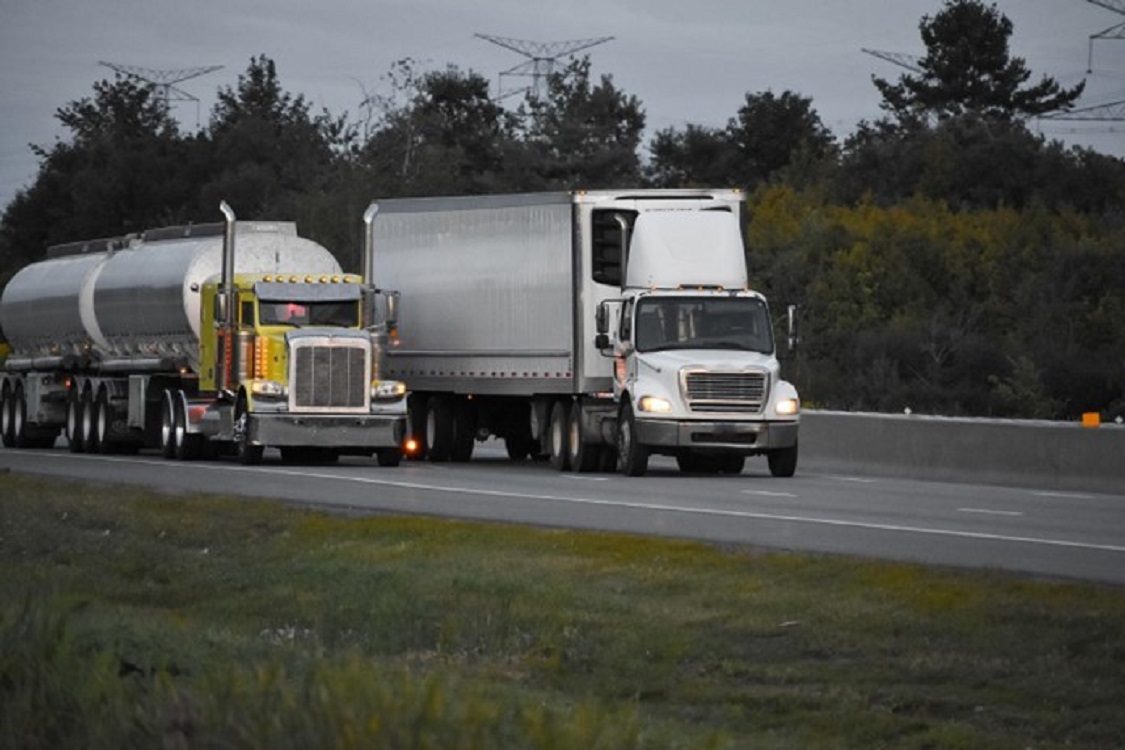
For pickup drivers, one of the most important interactions happens with vehicles even larger than their own, commercial trucks.
These vehicles operate under entirely different constraints. Longer stopping distances, wider turning radiuses, and limited maneuverability mean that their drivers rely heavily on predictability from surrounding traffic.
Understanding this dynamic can make a significant difference. Avoid lingering in blind spots, give trucks extra room when merging, and recognize that sudden lane changes or braking can create situations that are difficult for larger vehicles to manage safely.
When both sides understand each other’s limitations, the road becomes a more predictable, and safer, environment.
One of the biggest misconceptions about driving larger vehicles is that capability automatically translates to control.
In reality, control is something that has to be maintained. It’s built through consistent awareness, not just confidence. The more familiar a driver becomes with their vehicle, the easier it is to fall into routine. But routine can sometimes dull attention.
Staying sharp means actively engaging with the driving environment, constantly reassessing space, speed, and surroundings. It means recognizing when conditions change, whether it’s weather, traffic density, or your own level of focus.
Truck culture has always been about more than the vehicles themselves. It’s about the people who drive them, build them, and share a common respect for what they represent.
Events, meetups, and gatherings play a big role in that culture. They bring together drivers with different experiences and perspectives, creating opportunities to learn from one another, not just about builds and performance, but about real-world driving as well. For those looking to stay connected with what’s happening across the community, keeping an eye on upcoming truck events and meetups offers a window into that shared space.
These environments often reinforce an important idea: the more you understand your vehicle and the road around you, the better equipped you are to handle both.
At the end of the day, driving a larger vehicle isn’t about being more cautious, it’s about being more aware.
The margin for error may be smaller, but that doesn’t mean the experience is limited. If anything, it becomes more intentional. Every decision carries a bit more weight, every adjustment matters a bit more, and every moment of awareness contributes to a smoother, safer drive.
And that’s what ultimately defines a skilled driver, not just what the vehicle can do, but how well it’s understood.

Industry News
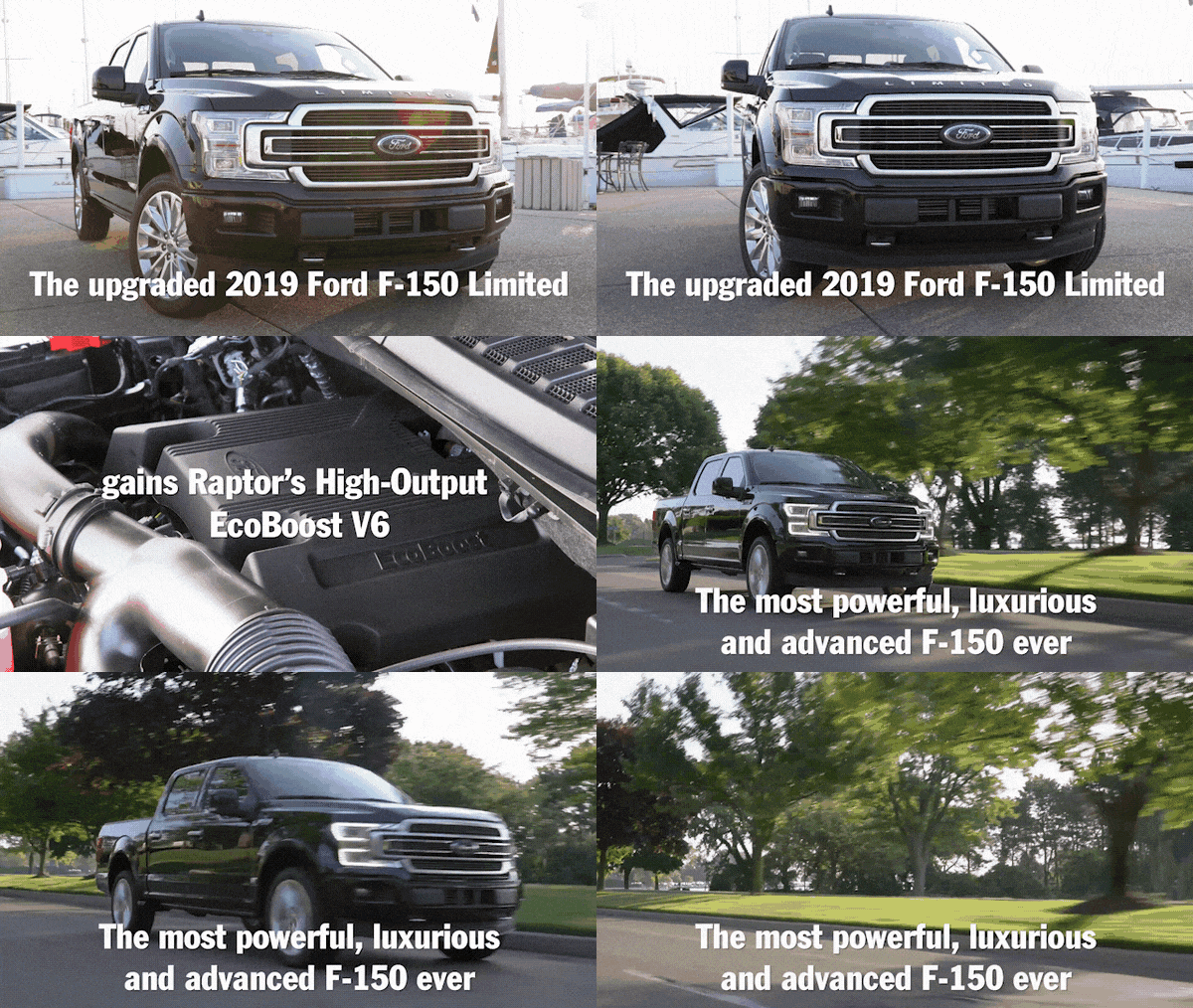
The year ain’t over yet, but Ford enthusiasts already hav f150 street truck, f150 high output ecoboost, ford high output ecoboost, ford f 150 limited… Continue reading
Chris Hamilton . August 02, 2018
Events
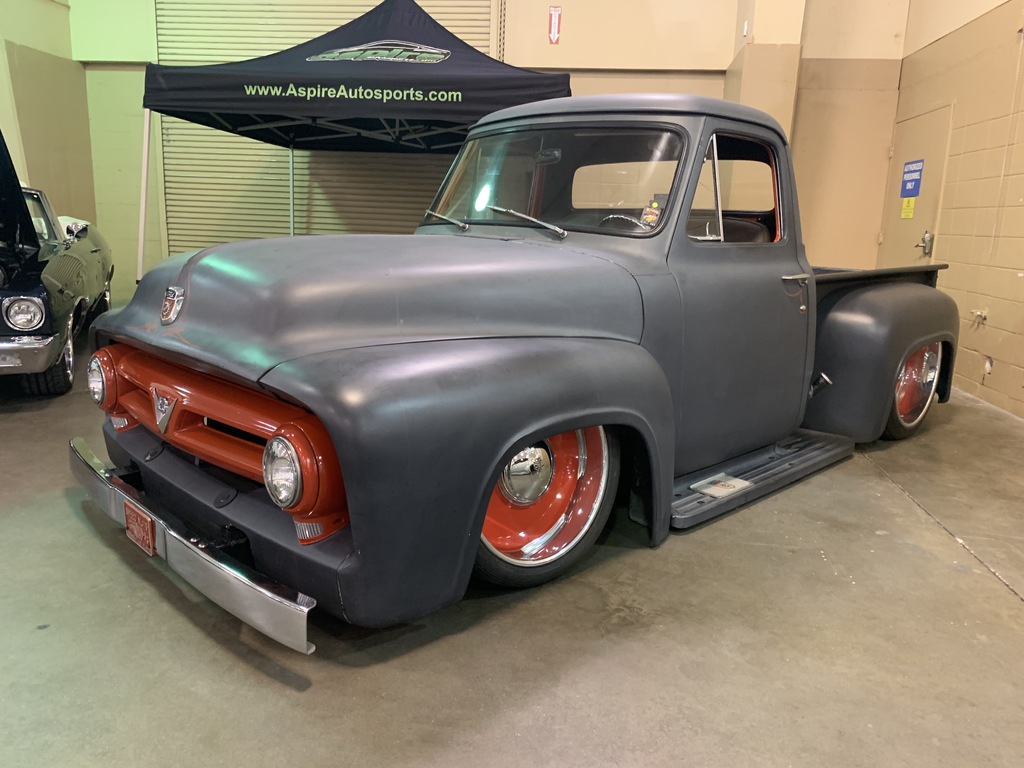
Another year another amazing event! The crew at Mini Madness never lets us down with this annual event filled with amazing builds from around the… Continue reading
Chris Hamilton . October 15, 2019
Blood Sweat and Gears
SEMA Ignited will provide consumers and the general public an opportunity to see and experience the mystique from the exclusive SEMA Show on Friday, Nov.… Continue reading
Adam Johnson . October 27, 2021
c10
’63-’72 C10 Rear Coilover Conversion Performance Online’s ’63-’72 Chevy C10 truck rear coilover conversion kit uses Aldan American Phantom Series coilovers, single adjustable coilovers that… Continue reading
C10 Builder’s Guide Staff . February 28, 2022
Industry News
The definitive explainer for F-250, Ram 2500, and Silverado HD owners who keep seeing ‘EGR delete kit’ in every build thread You Keep Seeing It.… Continue reading
STREET TRUCKS STAFF . April 22, 2026
Department
Photos and Top 10 by : Victor Lopez The show was in Aguascalientes, Mexico as a 2-day show, presented by The Chevroleteros. Held at… Continue reading
Adam Johnson . July 11, 2022


We use cookies to enhance your browsing experience, serve personalized ads or content, and analyze our traffic. By clicking "Accept All", you consent to our use of cookies. Visit our Cookie Policy for more info.


Share Link