










 STREET TRUCKS STAFF
.
January 14, 2026
.
Industry News
.
STREET TRUCKS STAFF
.
January 14, 2026
.
Industry News
.
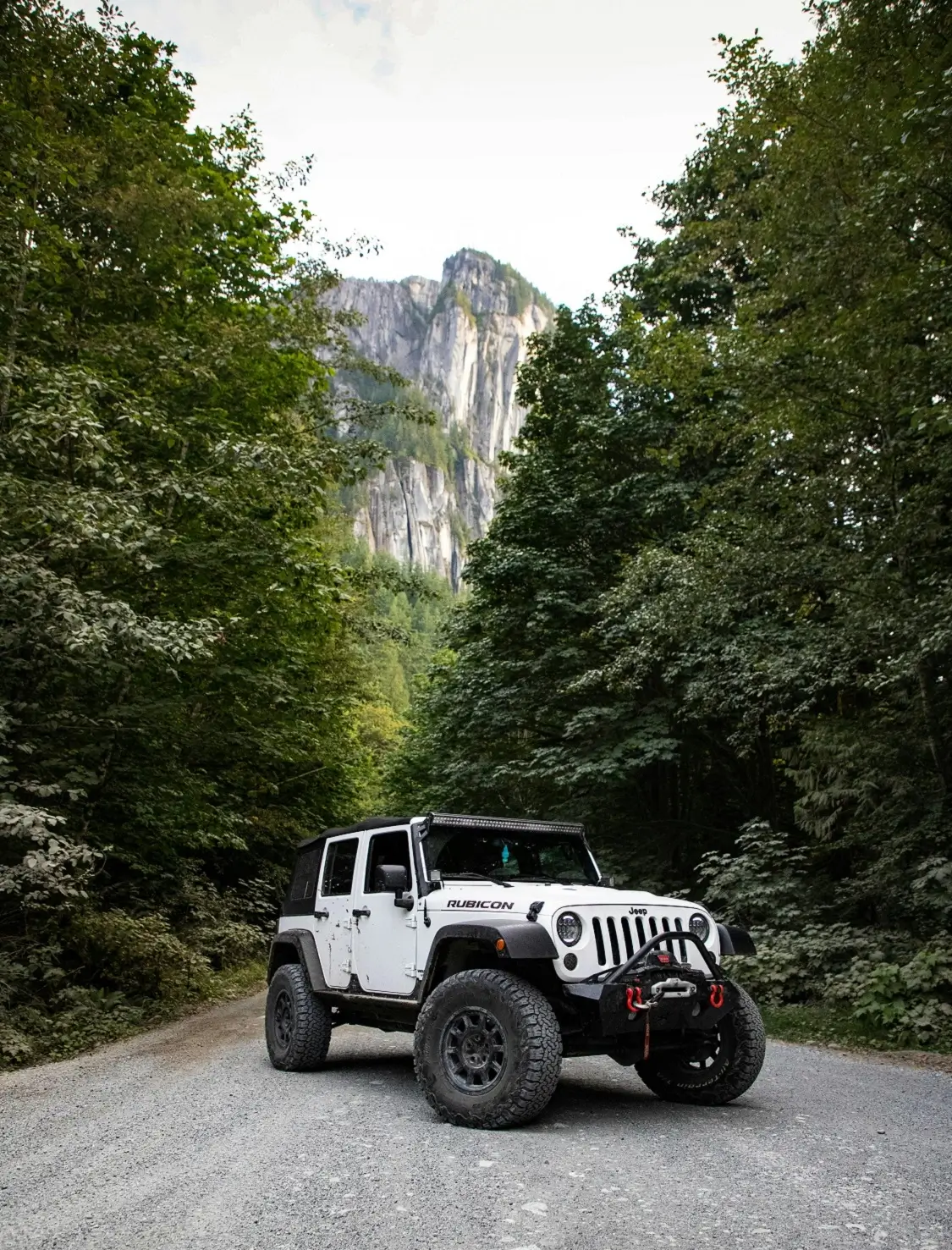
Photo Credit- pexels.com
In 2021, 707 people were killed on Costa Rica’s roads within 30 days of a crash, according to the OECD/International Transport Forum (ITF) “Costa Rica: Road Safety Country Profile 2023” (last updated 15 June 2023). That number isn’t here to scare you off the trip, it’s here to make one point clear: the right rental vehicle is the one that helps you stay relaxed, predictable, and in control for the routes you’ll actually drive.
This guide sticks to verified road-safety reporting from the ITF and official tourism reporting from Costa Rica’s tourism board (ICT), so we can make practical choices without guessing. We’ll walk through a simple way to match drivetrain to itinerary, then zoom in on the driving habits that pay off no matter what you rent, and finally tie it together with planning tactics that keep costs honest and capability sensible.
Let’s get the big rental question out of the way: do you really need 4×4?
A good starting point is understanding what “normal” driving looks like. The ITF summarizes passenger-car speed limits in Costa Rica as 40–70 km/h on urban roads and 80–90 km/h on rural roads. Translation: you’re rarely buying a vehicle for high-speed cruising, you’re buying it for comfort, visibility, stability, and how it handles imperfect surfaces at moderate speeds.
Costa Rica is also a country with a lot of vehicles in daily motion. The ITF reports 2.631 million registered vehicles in 2021, or about 509.6 vehicles per 1,000 population. That matters because the “hard part” for many visitors isn’t horsepower, it’s sharing space smoothly with local traffic, motorbikes, buses, and pedestrians while you’re also watching signs and navigation.
So here’s the part that keeps you from overpaying: treat the rental counter like a build sheet. You’re not buying features, you’re buying outcomes. More grip, more clearance, more cabin space, fewer stress points, or a mix of those. Use this quick checklist before you pick a class:
If most of your answers are “no,” you can often keep it simple and still feel capable. If several are “yes,” paying for clearance and traction can be money well spent because it buys you time and calm, not bragging rights.
And yes, there’s a proud truck-person lesson here: the smartest builds are the ones that fit the owner’s real life. Rentals work the same way.
Once you’ve chosen a vehicle that matches your trip, the biggest “upgrade” is how you drive it.
The ITF reports a road mortality rate of 13.7 deaths per 100,000 inhabitants in 2021. That’s a reminder that safety isn’t a niche topic, it’s part of the environment, like rain or traffic, and good travelers plan for it.
Here’s a detail that’s easy to act on, and surprisingly powerful. The ITF reports seat-belt wearing rates on national roads in 2020 at 71% for drivers, 63% for front passengers, and 36% for rear-seat occupants. So even if you’re the most careful driver on the road, buckling up every seat, every ride, is one of the simplest ways to tilt things in your favor.
Another positive move is to treat your daily driving energy like a budget. If you spend it early with a rushed itinerary, you pay later with stress, mistakes, and that “why did we do this to ourselves?” feeling. Build your days so you’re not squeezing long drives between tours, check-ins, and dinner plans. Costa Rica rewards the relaxed schedule because it lets you stop when you want to stop.
A bigger vehicle doesn’t automatically make you feel safer if it makes parking, visibility, or narrow-road passing feel harder. Feeling confident often comes from a calmer pace, a clearer plan, and a vehicle that doesn’t demand constant attention.
Costa Rica’s tourism board explains that it publishes monthly, biannual, and annual reports on international arrivals using information provided by the Immigration Administration. For a traveler, the win here is straightforward: when you plan around official reporting and predictable travel flow, you’re less likely to book a “just in case” vehicle class or pad extra rental days because you’re uncertain about timing.
On the road-safety side, the ITF is unusually transparent about how Costa Rica’s data is built. It states that Costa Rica maintains two main databases, a traffic crash database fed by police and managed by COSEVI, and a vital registry database fed by forensic practitioners and managed by the National Institute of Statistics and Censuses (INEC). That’s important because it shows the country’s road-safety numbers aren’t random anecdotes, they’re tracked through systems designed for consistency.
The ITF also notes that to match the international definition of deaths within 30 days, a correction factor of 0.97 is applied in the IRTAD database. This is the kind of detail that builds trust, and it’s a good model for how to think about rentals too: define what you mean by “need,” then choose the vehicle that meets that definition without extra spend.
One more point, because it helps you plan with respect instead of assumptions. The ITF notes that in 2022, 485 people died “on the spot” on Costa Rica’s roads, and that figure was provisional and presented separately from the 30-day definition used elsewhere in the report. If the reporting takes care to separate definitions, your itinerary should separate driving that’s easy from driving that’s demanding, and schedule each accordingly.
So here’s the question worth asking before you click “upgrade”: if your plan mostly lives on main routes and well-traveled areas, what exactly are you buying with that bigger bill?
A well-matched rental is the one that suits your route, keeps your group comfortable, and helps you drive with a little extra margin, especially when the day gets busy. Let the evidence keep you honest, the ITF’s safety reporting and methodology show why calm decisions matter, and ICT’s official reporting structure supports planning that reduces guesswork.
Make your choice in this order: destinations, roads, schedule, then vehicle. You’ll feel more capable, and you’ll usually spend less, because you’re paying for real needs rather than vague worries.
And when you’re standing at the counter, here’s the one question that cuts through the noise: what would make you enjoy tomorrow’s drive more, more drivetrain you might never use, or a plan that lets you arrive unhurried?


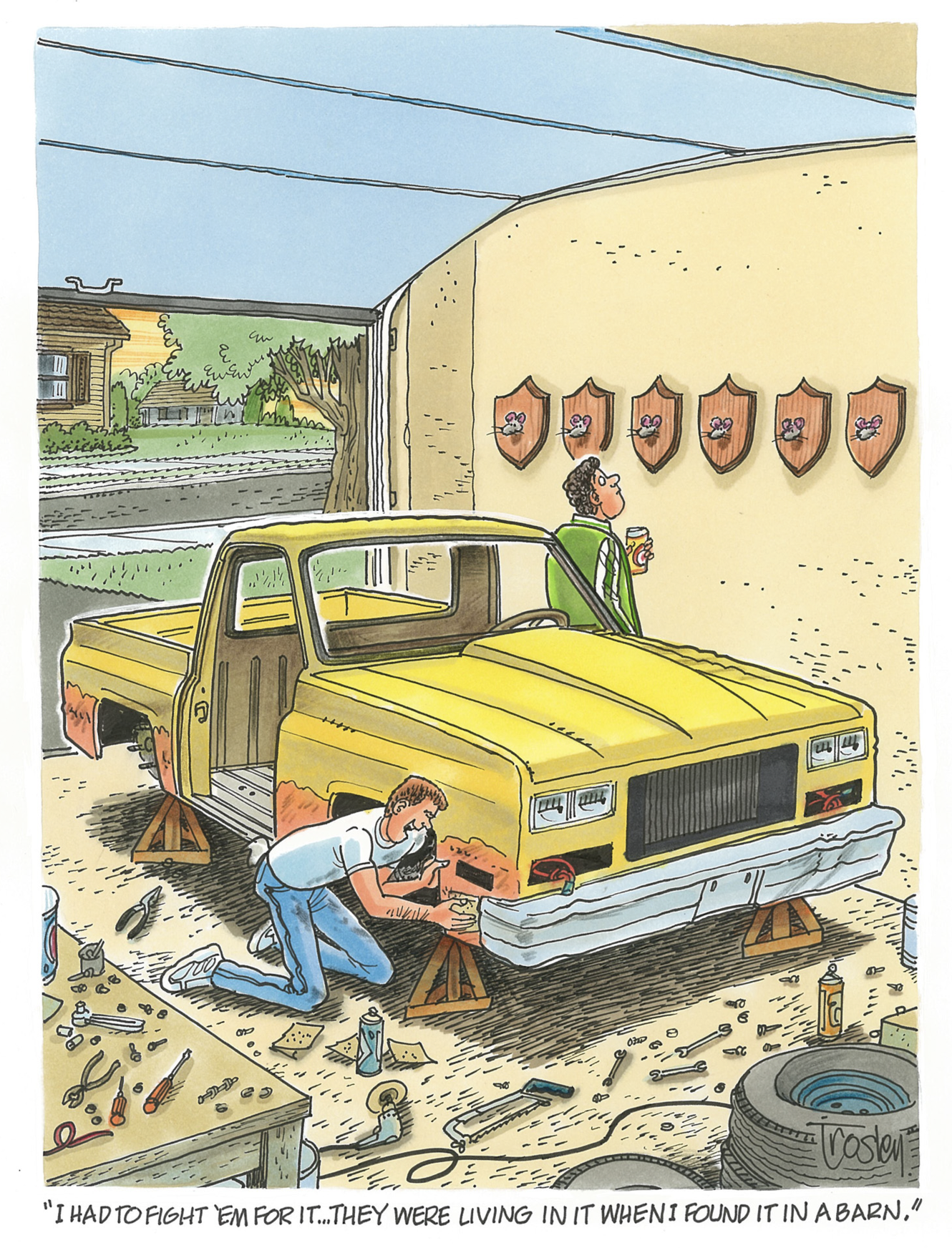
Drawings
I had to fight ’em for it…. They were living in it when I found it in a barn. Get Your Weekly Truck Build Guides… Continue reading
Chris Hamilton . September 11, 2019

Department
Enter to win our Z06 Corvette and $20,000 at http://throtl.com/hoonigan Get Your Weekly Truck Build Guides For FREE “We” put a lot of… Continue reading
Adam Johnson . July 28, 2022
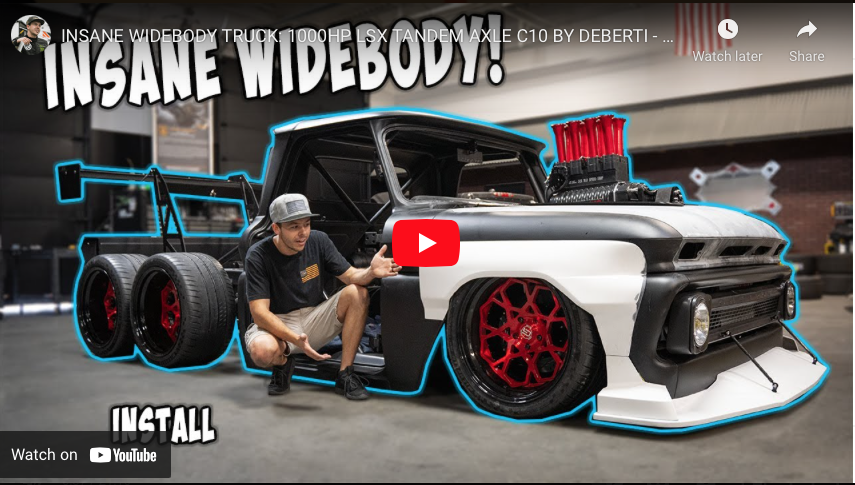
Blood Sweat and Gears
Is this the first ever widebody done to a 1965 c10?? Advanced fiberglass concepts killed it machining our truck widebody out massive chunks of Rampf… Continue reading
Adam Johnson . October 18, 2021

Department
AS SEEN IN OUR MARCH 2026 ISSUE – Buy Now! Info From an Industry Insider Enthusiasts, it is time to spring ahead! Days, weeks, months,… Continue reading
Jason Odb Ballard . August 11, 2026

Department
When it comes to custom vehicle shows, location plays a huge role. It sets the scene, draws crowds and can even recreate a time gone… Continue reading
Chris Hamilton . December 07, 2020
Department
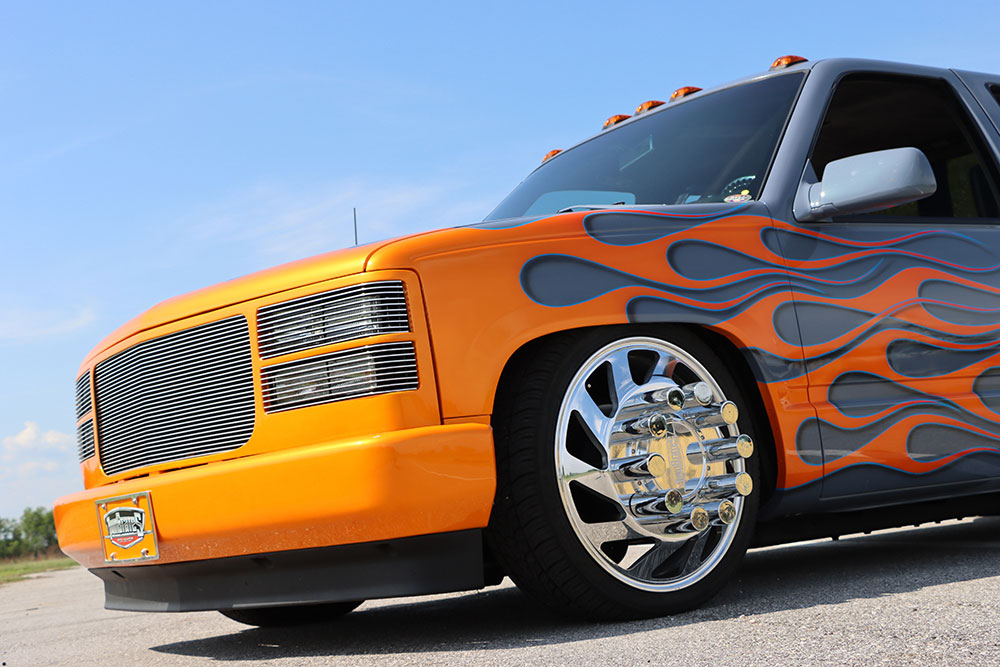
The show scene oozes with amazing builds from across the country. Some sit on stands so fans can view every last detail—front, back, and side… Continue reading
Damien Davis . October 03, 2022

We use cookies to enhance your browsing experience, serve personalized ads or content, and analyze our traffic. By clicking "Accept All", you consent to our use of cookies. Visit our Cookie Policy for more info.



Share Link