










 STREET TRUCKS STAFF
.
December 30, 2025
.
Industry News
.
STREET TRUCKS STAFF
.
December 30, 2025
.
Industry News
.
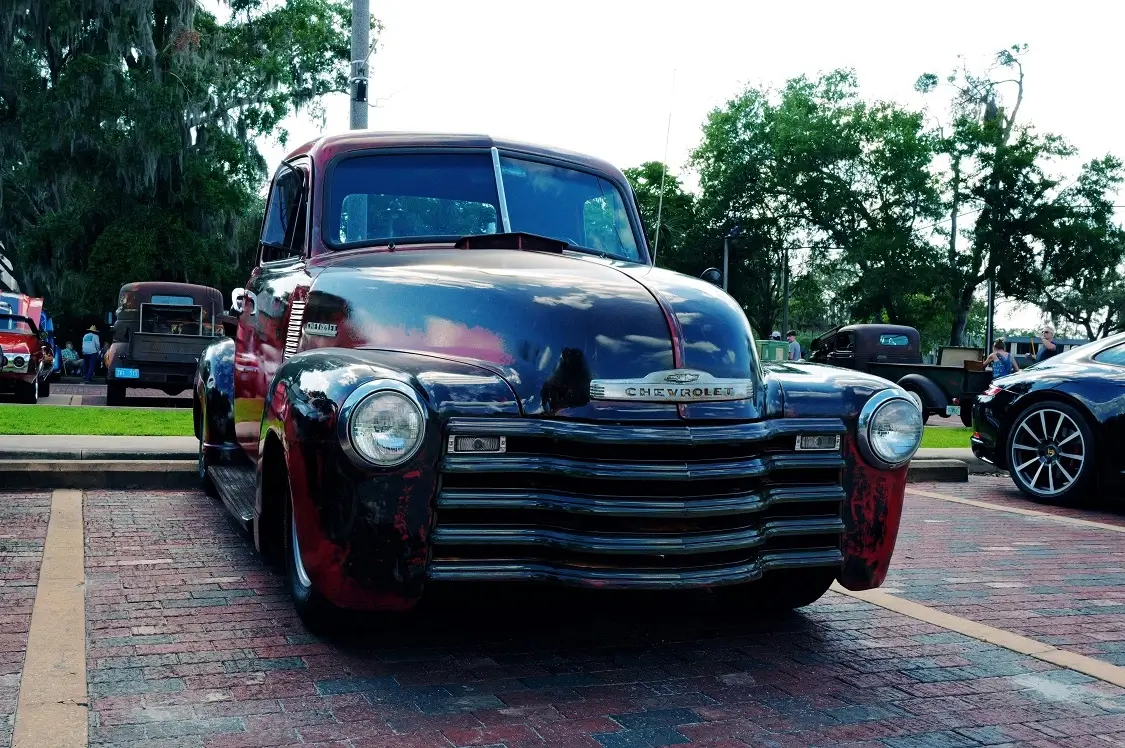
Image Source: https://unsplash.com/photos/a-black-truck-parked-on-the-side-of-a-road-UkCDdBELAZ8
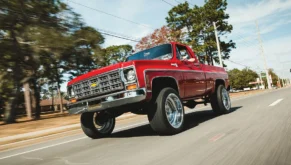
A strange figure appears occasionally on the streets of the city at night. It is not a sports car. It is not a classic lowrider. It is a truck, which has been dropped near the ground, polished like glass, and traveling with a silent assurance. Street trucks are born from contrast. They mix hard work roots with urban style, turning tools into statements. This world is not a well-known one, but it contains one of the most creative nooks of vehicle culture nowadays. Unlike off-road builds, street trucks are designed to interact with the city itself, reflecting lights, architecture, and movement.
Farm and construction trucks were not originally made for street cruising. They are constructed to be expressive. Every inch tells a story of choice, restraint, and bold taste.
Trucks were once symbols of pure function. They dragged, pulled, and suffered. The culture of the street trucks reversed that notion. Builders began lowering trucks instead of lifting them higher. Instead of mud tires, smooth street rubber appeared. Instead of dull paint, deep colors and clean lines took over.
This change was not immediate. In the 1990s, mini-trucks were introduced to be custom-painted and lowered. Over time, the style matured. Full-size trucks entered the market and added more power and presence. What remained the same was the fact that a truck could be relaxed, controlled, and stylish without compromising on its power.
Street truck tuning is not about excess. It is about balance. A well-built street truck rarely screams for attention. It invites a second look. Every modification serves a visual purpose, turning motion and stillness into part of the same design language.
Lowering is often the first step. The suspension tuning enables the trucks to be at a low position without compromising comfort. Air suspension systems increase flexibility, as the truck can either be lifted up or lowered down depending on the circumstances. The choice of wheels is also taken with care and is usually bigger than stock ones, but never exceeding the body.
Engine tuning plays a quieter role. The goal is smooth power, not loud chaos. Clean acceleration, refined sound, and reliable performance matter more than raw numbers. Interior upgrades follow the same rules: simple materials, neat stitching, and modern tech blended into a clean cabin.
In some urban areas, including regions served by dealers in Philadelphia, street trucks have become unexpected showpieces that attract attention without needing wild graphics or extreme builds.
One scratch can ruin the effect of a street truck. This culture values cleanliness above almost everything else. Paint is often flawless, with deep gloss or satin finishes. Chrome is used carefully, never too much. Plastic trim is restored or replaced to look new.
This attention to detail creates a calm feeling. Street trucks do not fight for dominance. They exist in control. Even exhausts are modified to sound not aggressive, but refined. The result is a vehicle that never feels rushed.
Interestingly, this pursuit of perfection creates personality. Each truck reflects its builder’s patience and vision. Two street trucks may share the same model, yet feel entirely different due to small choices.
Street truck owners rarely chase trends. Trends pass too quickly. Instead, the culture favors timeless style. Neutral colors, simple lines, and clean builds age well. A truck built ten years ago can still look modern today.
Car shows reveal this mindset clearly. Street trucks are often parked quietly, doors closed, lights off. Yet crowds gather around them. The appeal comes from restraint. Calm confidence is conspicuous in the noisy world.
This scene has been developed through social media, although it has not altered its values. Builders still focus on quality over speed. Photos highlight stance, reflections, and small details rather than dramatic stunts.
Street trucks are not built to impress everyone. They are built to satisfy a clear idea. That idea is simple: turn something ordinary into something thoughtful.
This philosophy extends beyond vehicles. It reflects a desire for order in busy cities. Lowering a truck is not just a style choice. It is a way of grounding something large and powerful, making it feel connected to the road and the environment.
The process has been termed soothing by many builders. Planning, measuring, revising, and refining are time-consuming. There is no rush. The truck teaches patience.
Street trucks live between worlds. They are not race machines, and they are not work tools anymore. They are expressions of control, creativity, and quiet rebellion against expectations.
By taking vehicles meant for rough tasks and refining them for smooth streets, builders create something unexpected. The culture values subtle tuning, perfect details, and timeless style. It rewards patience and clear vision.
In the end, street trucks are not about standing above others. They are about standing apart. Low to the ground, clean in design, and confident without noise, they prove that strength does not always need to shout to be seen.

Department
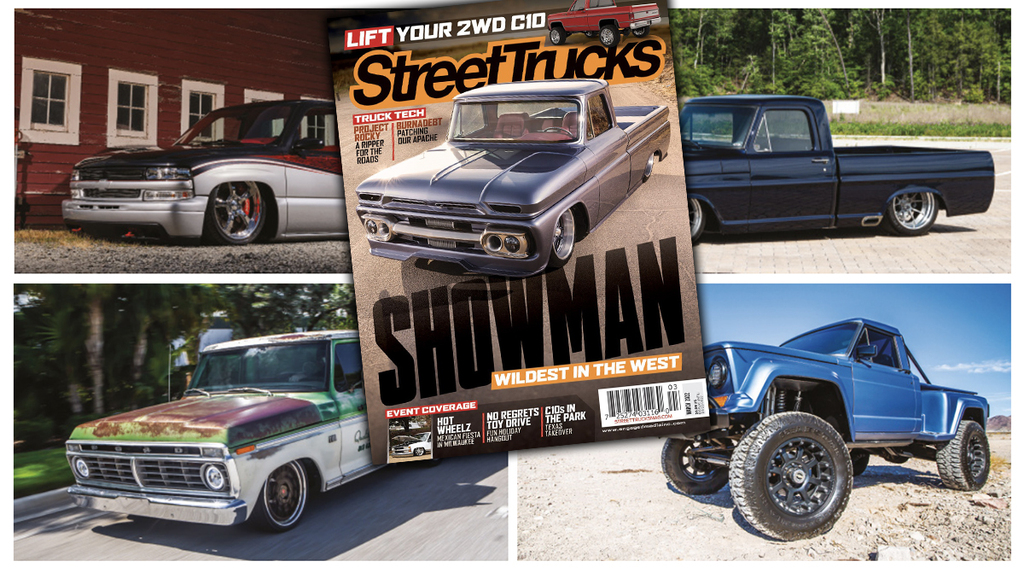
ON THE COVER 62 The Showman is an amazing truck that deserves the spotlight. There is no better way to convey the quality than to… Continue reading
Chris Hamilton . February 02, 2022
C10 Builders Guide
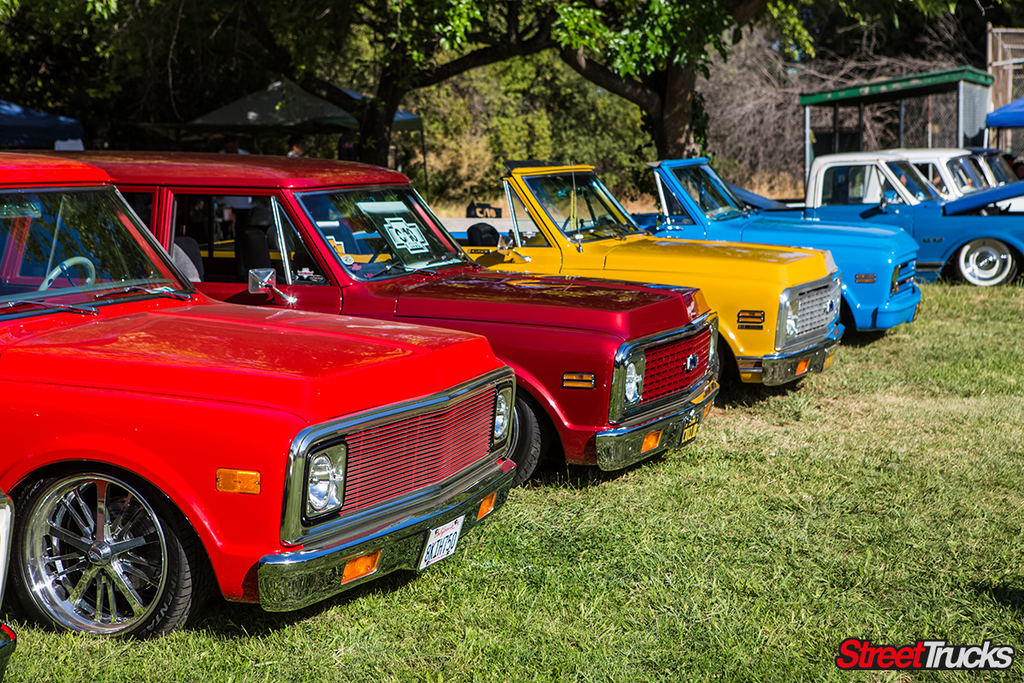
Brothers Truck presents The C10 Intervention. This event is specific to 1908-1998 GM trucks. Sunday, September 15th 2019 at the Gold Country Fairgrounds in Auburn CA. Full… Continue reading
Chris Hamilton . September 17, 2019
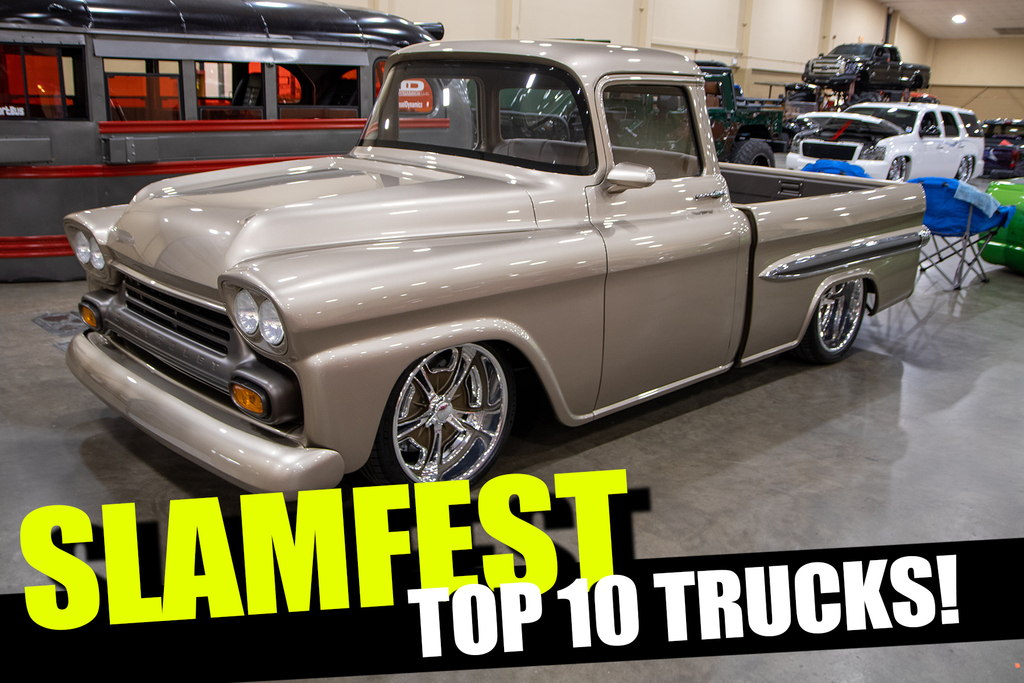
Department
Chris Hamilton . October 14, 2022
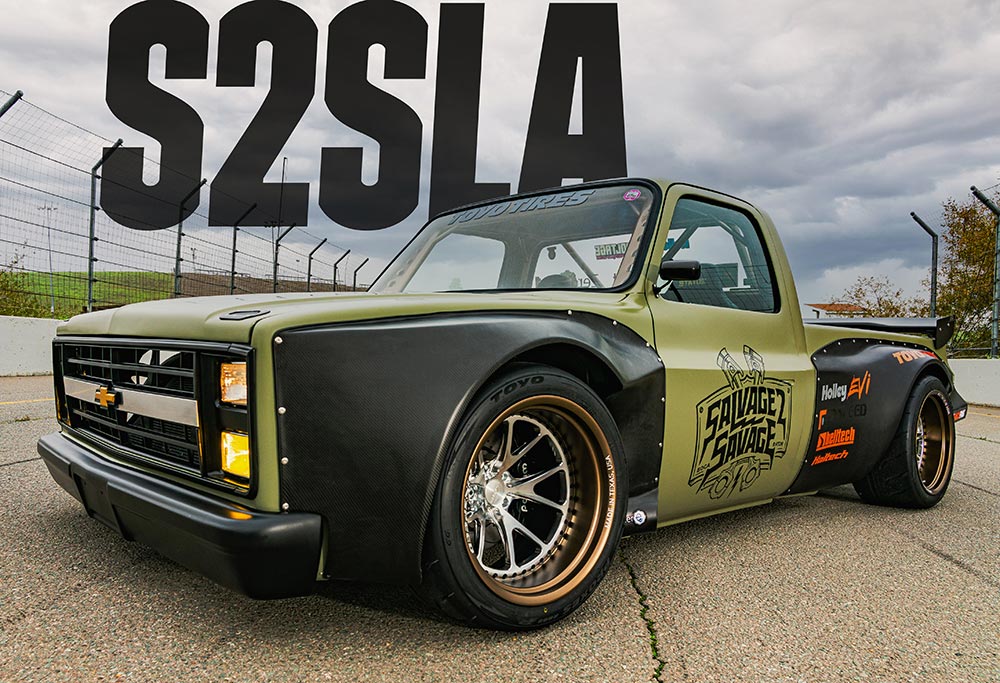
c10
What if we said someone is swapping out the combustion engine in an old classic farm truck for a new fully electric Tesla Model S… Continue reading
Chris Hamilton . July 31, 2022
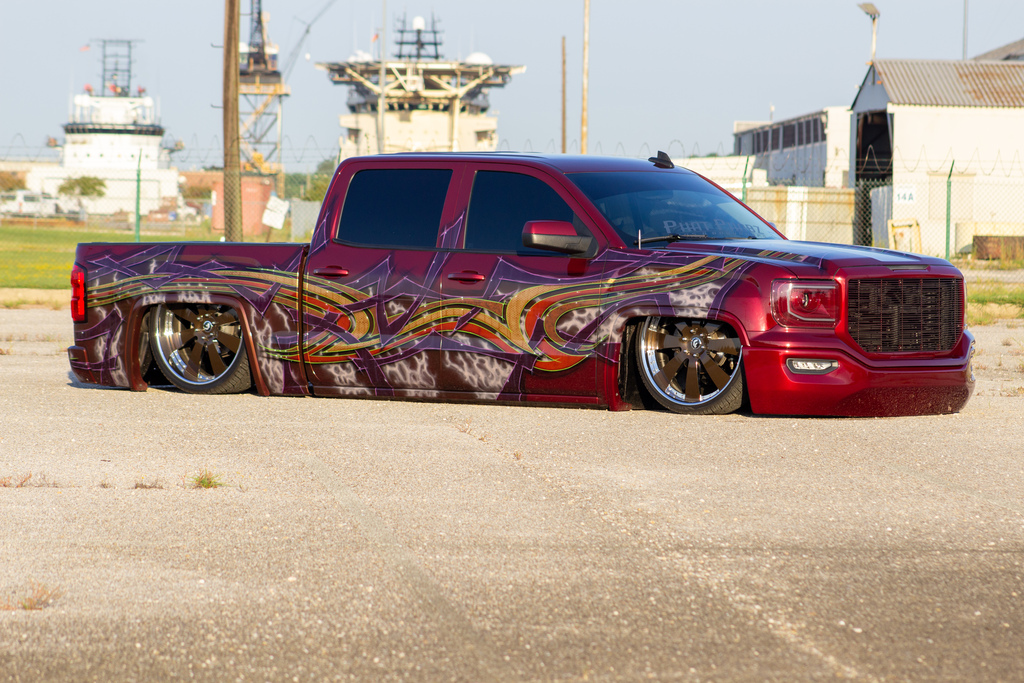
Department
Exclusive Online Feature Photos By: Jonathan Hawkins Get Your Weekly Truck Build Guides For FREE Owner: Chris Pierce Truck: 2017 GMC Sierra Location:… Continue reading
Adam Johnson . May 23, 2022
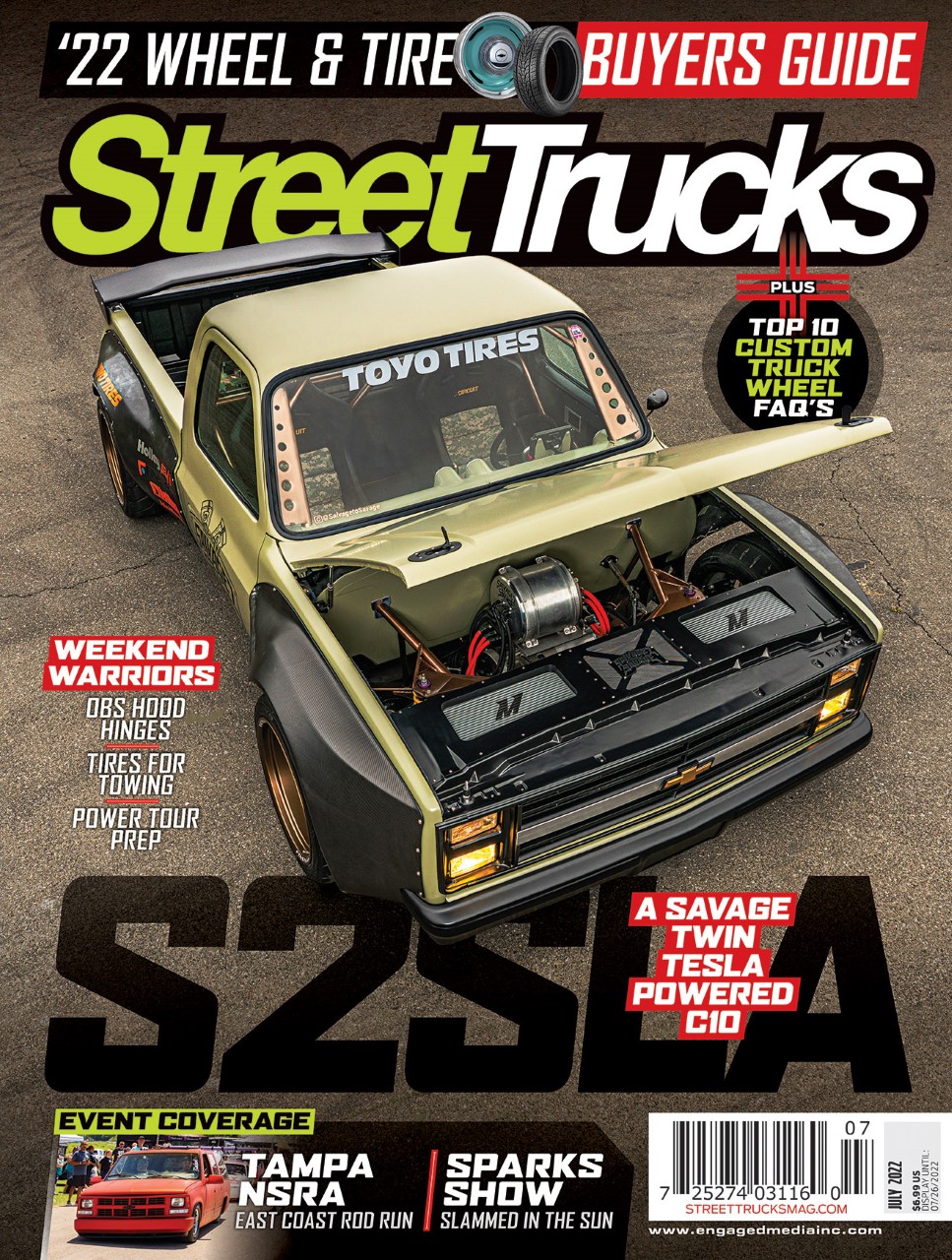
Department
SPECIAL FEATURE Top 10 Truck Wheel Questions – The Basics to Keeping Your Truck Rolling in Style FEATURES F1 VENM – The Lindsey Family Builds… Continue reading
Chris Hamilton . May 27, 2022


We use cookies to enhance your browsing experience, serve personalized ads or content, and analyze our traffic. By clicking "Accept All", you consent to our use of cookies. Visit our Cookie Policy for more info.



Share Link